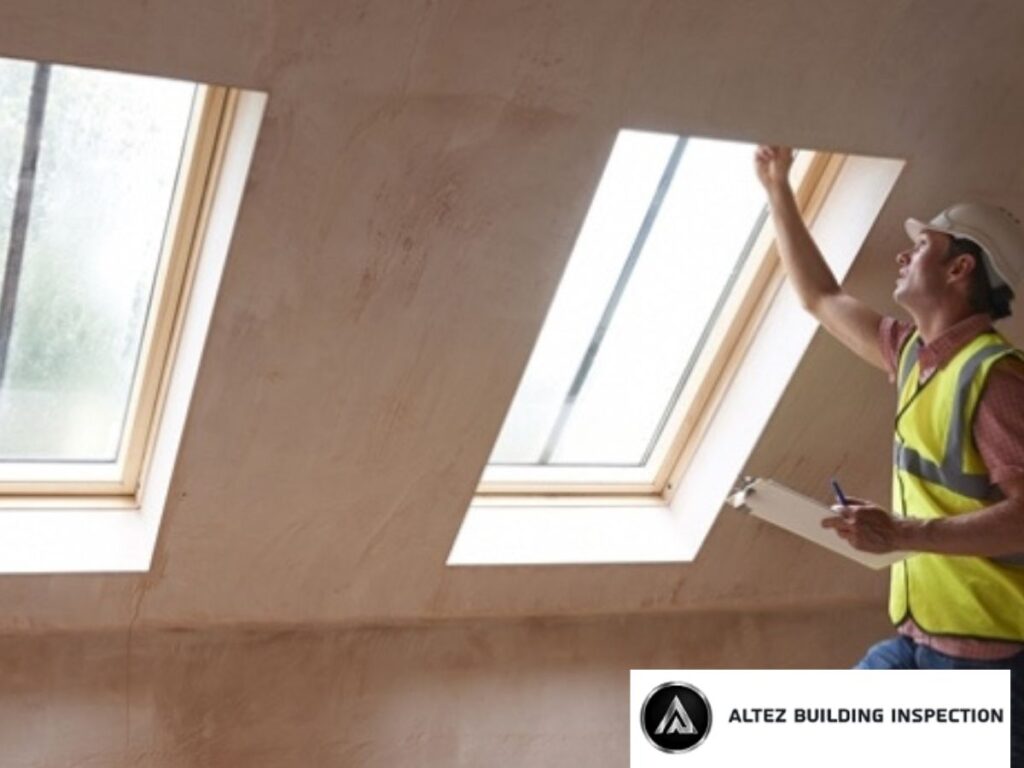

Buying a property is one of the biggest financial decisions you’ll ever make. Whether it’s your first home, an investment property, or your dream house, the excitement of the purchase can sometimes overshadow the importance of due diligence. One of the most critical steps that many buyers are tempted to skip is building and pest inspections. While it may seem like a way to save time or money, avoiding this step can lead to serious financial and emotional consequences.
A thorough inspection ensures that you fully understand the condition of the property before committing. Without it, you could be walking into a situation filled with hidden repairs, safety hazards, or structural issues that may cost you far more in the long run.
What Are Building and Pest Inspections?
Building and pest inspections are two essential assessments carried out before purchasing a property.
A building inspection focuses on the structural integrity and overall condition of the property. It identifies defects, safety concerns, and potential maintenance issues. This includes examining the foundation, roof, walls, plumbing, electrical systems, and more.
A pest inspection, on the other hand, looks for signs of infestations, particularly termites, which are known for causing severe structural damage. These pests often operate silently, making their presence difficult to detect without professional tools and expertise.
Together, these inspections provide a comprehensive overview of the property’s health, helping buyers make informed decisions.
Why These Inspections Are So Important
1. Avoid Expensive Repairs
One of the biggest risks of skipping inspections is the potential for unexpected repair costs. Many serious issues are not visible during a standard property viewing. What may appear to be a perfect home could be hiding costly problems beneath the surface.
Common issues uncovered during inspections include:
- Foundation cracks that compromise structural stability
- Roof leaks or damaged roofing materials
- Faulty electrical wiring that poses fire hazards
- Plumbing problems such as leaks or corrosion
Fixing these problems after purchase can cost thousands—or even tens of thousands—of dollars. Identifying them early allows you to either negotiate repairs or reconsider the purchase entirely.
2. Detect Hidden Pest Damage
Pest infestations, especially termites, can cause significant damage without obvious signs. By the time visible damage appears, the structural integrity of the property may already be compromised.
A professional pest inspection helps:
- Identify active infestations
- Detect previous pest damage
- Highlight conditions that may attract pests in the future
Early detection not only saves money but also protects the long-term value of your investment. Without an inspection, you could unknowingly buy a property that requires extensive pest treatment and repairs.
3. Strengthen Your Negotiation Power
An inspection report is a powerful tool during negotiations. It provides factual, unbiased information about the property’s condition, which you can use to your advantage.
With a detailed report, you can:
- Request that the seller complete necessary repairs before settlement
- Negotiate a lower purchase price to cover repair costs
- Walk away from the deal if the issues are too severe
Without an inspection, you lose this leverage and may end up paying more than the property is actually worth.
4. Ensure Safety and Compliance
Safety should always be a top priority when buying a property. Inspections help ensure that the building meets current safety standards and regulations.
Inspectors check for:
- Structural weaknesses that could lead to collapse
- Electrical hazards that increase fire risk
- Poor ventilation or moisture issues can cause mold
- Non-compliant construction work
These issues are not just costly—they can also pose serious risks to your health and safety. A proper inspection ensures that your future home is a safe environment for you and your family.
5. Make Informed Decisions
Buying a property without an inspection is essentially making a blind investment. You’re relying on surface-level impressions rather than factual data.
An inspection report provides:
- A clear picture of the property’s condition
- A list of current and potential issues
- Estimated repair and maintenance needs
This information allows you to weigh the pros and cons and decide whether the property aligns with your budget and expectations. It removes uncertainty and gives you confidence in your decision.
What’s Included in a Professional Inspection?
A comprehensive building and pest inspection typically covers multiple aspects of the property, including:
- Structural integrity (foundation, walls, ceilings)
- Roof condition, gutters, and drainage systems
- Electrical wiring and plumbing systems
- Interior and exterior defects
- Signs of water damage or dampness
- Pest activity, particularly termites
Inspectors may also use advanced tools such as moisture meters, thermal imaging cameras, and sounding devices to detect hidden issues that are not visible to the naked eye.
When Should You Get an Inspection?
The ideal time to arrange a building and pest inspection is before finalizing the purchase. This is commonly known as a pre-purchase inspection.
Scheduling the inspection early ensures:
- You identify any issues before signing contracts
- You have time to negotiate with the seller
- You avoid surprises after the settlement
In competitive property markets, buyers sometimes feel pressured to skip inspections to secure a deal quickly. However, this can be a costly mistake. Taking the time to conduct proper checks is always worth it.
Signs You Should Never Ignore
Even if you haven’t arranged a professional inspection yet, there are certain warning signs you should watch for during property visits:
- Sagging ceilings or uneven floors
- Cracks around doors, windows, or walls
- Damp patches or mold growth
- Doors and windows that don’t close properly
- Hollow-sounding wood, which may indicate termite damage
If you notice any of these issues, it’s essential to arrange a detailed inspection immediately. Ignoring these signs can lead to major problems later.
Choosing the Right Inspection Service
Not all inspection services offer the same level of quality, so choosing the right provider is crucial.
When selecting an inspection company, look for:
- Licensed and experienced inspectors
- Detailed, easy-to-understand reports
- Use of modern inspection tools and technology
- Positive customer reviews and reputation
A reliable inspection service will take the time to thoroughly assess the property and explain their findings clearly, helping you understand exactly what you’re dealing with.
Conclusion
Skipping building and pest inspections might seem like a way to save money or speed up the buying process, but it often leads to far greater costs and stress down the line. These inspections provide valuable insights into a property’s condition, helping you avoid hidden problems, negotiate better deals, and ensure the safety of your investment.
In real estate, what you don’t see can hurt you. A professional inspection removes uncertainty and gives you the confidence to move forward—or walk away—based on facts rather than assumptions.
When it comes to property investment, informed decisions are always the best decisions. Never take unnecessary risks—get a proper inspection and protect your future.
FAQs
1. Are building and pest inspections really necessary?
Yes, they help identify hidden structural issues and pest damage that could cost thousands to repair later.
2. How long does an inspection take?
Typically, a full inspection takes around 2–3 hours, depending on the size and condition of the property.
3. What do termite inspections include?
They check for active termites, past damage, and environmental conditions that may attract infestations.
4. Can I skip an inspection for a new home?
No, even newly built homes can have construction defects or early-stage pest problems.
5. How much do inspections cost?
Costs vary depending on location and property size, but they are a small investment compared to potential repair expenses.