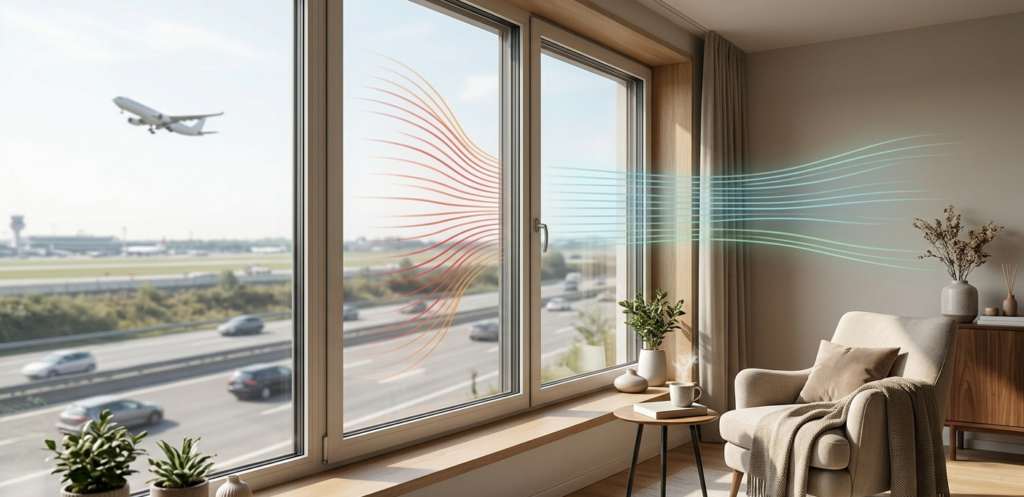

Living near a highway or airport offers undeniable convenience—easy commutes, access to transportation hubs, and often more affordable housing options. However, these benefits can come at a cost: constant exposure to noise pollution, dust, vibrations, and fluctuating temperatures. For homeowners in such environments, investing in the right window solutions is not just about aesthetics—it’s about improving quality of life.
In this comprehensive guide, we’ll explore the best window solutions designed specifically for homes near high-traffic areas. From soundproofing technologies to energy efficiency upgrades, you’ll discover how the right windows can transform your living space into a peaceful, comfortable sanctuary.
Understanding the Challenges of High-Traffic Environments
Before diving into solutions, it’s important to understand the key issues faced by homeowners near highways and airports:
1. Noise Pollution
The most significant concern is constant noise—cars, trucks, airplanes, and emergency vehicles. Prolonged exposure can lead to stress, sleep disruption, and reduced productivity.
2. Air Pollution and Dust
Highways bring dust, exhaust fumes, and airborne pollutants that can enter your home through poorly sealed windows.
3. Temperature Fluctuations
Homes near open, high-traffic areas often experience greater exposure to heat in summer and cold in winter.
4. Vibrations
Heavy traffic and aircraft can cause minor vibrations that may affect window seals and frames over time.
Key Features to Look for in Window Solutions
Not all windows are created equal. When selecting windows for noise-prone environments, prioritize the following features:
Acoustic Insulation
Windows designed to reduce sound transmission are essential. Look for high Sound Transmission Class (STC) ratings.
Airtight Sealing
Proper sealing prevents both noise and pollutants from entering your home.
Thermal Efficiency
Energy-efficient windows help maintain indoor temperatures, reducing energy bills.
Durability
Windows must withstand environmental stress, including vibrations and weather changes.
Top Window Solutions for Noise Reduction
1. Double and Triple Glazing
Double-glazed windows consist of two panes of glass with a layer of air or gas in between. Triple glazing adds an extra pane for enhanced insulation.
Benefits:
- Reduces noise significantly
- Improves energy efficiency
- Minimizes condensation
Considerations:
While effective, standard double glazing may not be sufficient for extreme noise environments like airport-adjacent homes.
2. Laminated Glass Windows
Laminated glass includes a special interlayer that dampens sound vibrations.
Benefits:
- Superior noise reduction
- Increased security (harder to break)
- Blocks UV rays
Ideal For:
Homes directly under flight paths or next to busy highways.
3. Secondary Glazing Systems
Secondary glazing involves installing an additional window pane inside your existing window. This creates an insulating air gap that dramatically reduces noise.
Benefits:
- Cost-effective alternative to full window replacement
- Excellent acoustic performance
- Minimal disruption during installation
For homeowners seeking a proven and highly effective solution, secondary glazing for noise reduction is an excellent option that combines performance with affordability.
4. Acoustic Window Inserts
These are custom-fit panels installed inside existing window frames.
Benefits:
- Easy installation
- Removable and flexible
- Effective for moderate noise reduction
Limitations:
May not perform as well as fully integrated systems in extreme noise conditions.
5. Double-Sealed Window Frames
Even the best glass won’t perform well if the frame allows air leaks. High-quality frames with double or triple seals are crucial.
Materials to Consider:
- uPVC
- Fiberglass
- Aluminum with thermal breaks
Advanced Technologies in Window Design
1. Gas-Filled Insulation
Argon or krypton gas between panes improves both thermal and acoustic insulation.
2. Asymmetrical Glass Thickness
Using different thicknesses of glass in the same window disrupts sound waves more effectively.
3. Acoustic Laminates
Specialized laminates are engineered specifically for soundproofing.
Energy Efficiency and Environmental Benefits
Installing high-performance windows doesn’t just reduce noise—it also contributes to a more sustainable home.
Lower Energy Bills
Better insulation reduces heating and cooling costs.
Reduced Carbon Footprint
Energy-efficient homes consume less power, benefiting the environment.
Increased Property Value
Upgraded windows are a strong selling point for future buyers.
Installation Matters: Why Professional Setup Is Crucial
Even the best window systems can fail if not installed properly.
Key Factors:
- Proper sealing
- Accurate measurements
- Frame alignment
Working with experienced professionals ensures optimal performance and longevity.
Retrofitting vs. Full Replacement
Homeowners often face the decision between retrofitting existing windows or replacing them entirely.
Retrofitting Advantages:
- Lower cost
- Faster installation
- Less disruption
Full Replacement Advantages:
- Maximum performance
- Modern aesthetics
- Long-term durability
For many homeowners, retrofitting with custom secondary window systems offers the perfect balance between cost and performance.
Additional Tips for Noise Control
While windows play a major role, combining them with other strategies can further enhance results:
Use Heavy Curtains
Thick, sound-absorbing curtains add an extra layer of insulation.
Seal Gaps and Cracks
Use weatherstripping and caulking to eliminate air leaks.
Add Landscaping
Trees and shrubs can help absorb and deflect sound.
Install Solid Doors
Ensure exterior doors are well-insulated and properly sealed.
Choosing the Right Solution for Your Home
Every home is unique, and the best solution depends on several factors:
Location
How close are you to the noise source?
Budget
What level of investment are you comfortable with?
Existing Window Condition
Are your current windows structurally sound?
Aesthetic Preferences
Do you want to maintain the original look of your home?
Common Mistakes to Avoid
Ignoring Frame Quality
Focusing only on glass while neglecting the frame can compromise performance.
DIY Installation
Improper installation can lead to air leaks and reduced effectiveness.
Choosing the Cheapest Option
Low-cost solutions may not provide long-term value.
Overlooking Ventilation
Ensure your solution allows for adequate airflow when needed.
Maintenance and Longevity
High-quality windows require minimal maintenance, but regular care can extend their lifespan:
Cleaning
Use non-abrasive cleaners to maintain clarity and performance.
Inspect Seals
Check for wear and tear periodically.
Lubricate Moving Parts
Ensure smooth operation of opening mechanisms.
Real-Life Impact: Transforming Your Living Space
Homeowners who invest in proper window solutions often report:
- Improved sleep quality
- Reduced stress levels
- Better indoor air quality
- Enhanced overall comfort
The difference can be dramatic—turning a noisy, uncomfortable home into a peaceful retreat.
Why Investing in the Right Windows Is Worth It
While the upfront cost may seem significant, the long-term benefits far outweigh the investment:
- Increased comfort and livability
- Lower energy costs
- Higher property value
- Improved health and well-being
Final Thoughts
Living near a highway or airport doesn’t mean you have to endure constant noise and discomfort. With the right window solutions, you can create a quiet, energy-efficient, and comfortable home environment.
From advanced glazing technologies to innovative secondary systems, today’s options offer something for every budget and need. By understanding your specific challenges and choosing the right combination of features, you can significantly improve your home’s performance and your quality of life.
If you’re looking for a practical, effective, and non-invasive way to upgrade your windows, exploring modern secondary glazing solutions could be the ideal next step.
Read more here!