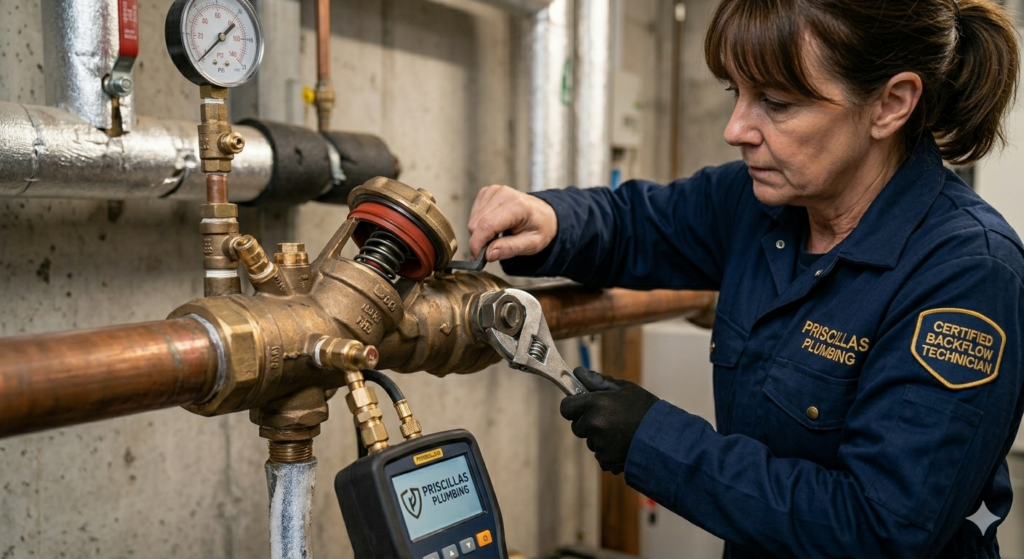

The water flowing from your taps is a precious resource, vital for health, sanitation, and comfort. But imagine a scenario where this pristine supply becomes compromised, tainted with contaminated water siphoned back into your plumbing. This is the danger of backflow, and knowing how to address it through timely Backflow Repair is crucial for protecting your family and community.
Backflow occurs when non-potable water flows backward into the public water supply or your home’s clean water pipes. This reversal of flow can introduce harmful pollutants, bacteria, chemicals, and other contaminants, posing significant health risks. Understanding the causes, signs, and solutions for backflow is essential for any homeowner or business owner.
This comprehensive guide will delve into the complexities of backflow, the importance of repair, the role of prevention, and how to identify when backflow repair is necessary.
What Causes Backflow?
Backflow typically happens due to significant pressure changes within the water system. There are two primary mechanisms:
Backsiphonage
This occurs when the pressure in the supply line drops below the pressure in your home’s plumbing. This sudden drop creates a vacuum effect, “siphoning” non-potable water back into the clean water supply. Think of sucking soda through a straw – backsiphonage operates on a similar principle, just on a much larger and potentially dangerous scale. Common causes include water main breaks, heavy water use for firefighting, or repairs to the water system.
Backpressure
Backpressure happens when the pressure within your own plumbing system exceeds the pressure in the public supply line. This can be caused by various factors, such as boilers, pumps, or elevated storage tanks within your property. If your system is generating higher pressure, it can force contaminated water backward into the main water lines. For instance, a malfunctioning boiler system with faulty pressure relief valves could potentially push non-potable water back into the clean water supply.
Why is Backflow Repair Critical?
The importance of backflow repair cannot be overstated. A backflow incident is not just a plumbing nuisance; it’s a serious public health threat.
Health Hazards: Contaminated water can contain bacteria like E. coli, parasites, heavy metals, pesticides, and other toxins. Consuming or even coming into contact with this water can lead to severe illness, including gastrointestinal issues, skin irritation, and other long-term health complications.
Contamination of Public Water: If backflow occurs, the contaminated water from your property can enter the public water distribution system, potentially affecting neighboring homes and businesses. This can contaminate a wide area, putting entire communities at risk.
Legal & Liability Issues: Homeowners and business owners have a legal responsibility to prevent backflow and ensure their plumbing systems are safe. Failure to address backflow issues promptly can result in hefty fines, legal action, and significant liability in case of contamination.
System Integrity: Chronic backflow issues, even minor ones, can put stress on your plumbing components, leading to premature wear, leaks, and eventual failure, demanding more extensive and expensive repairs down the line.
Preventing Backflow: The Importance of Assembly
Given the risks associated with backflow, prevention is paramount. Backflow prevention assemblies are mechanical devices installed in plumbing systems specifically designed to stop the reverse flow of water. These devices are essential components, and understanding their function and upkeep is key to preventing backflow. This diagram shows the cross-section of a reduced pressure zone (RPZ) backflow preventer assembly, illustrating the two independent check valves and the relief valve that works together to ensure water only flows in one direction and any backflow is safely discharged. These check valves are crucial, and regular inspection is part of the maintenance process to prevent backflow issues.
Types of Backflow Preventers
There are various types of backflow preventers, each suited for different applications and risk levels:
Atmospheric Vacuum Breaker (AVB): These simple devices allow air to enter the piping system when a vacuum occurs, breaking the siphonage effect. They are typically used for low-hazard applications like sprinkler systems.
Pressure Vacuum Breaker (PVB): These are similar to AVBs but can withstand constant pressure. They are commonly used for lawn irrigation systems.
Double Check Valve Assembly (DC): This assembly features two check valves in series, providing redundant protection against backflow. They are used for medium-hazard applications.
Reduced Pressure Zone (RPZ) Assembly: This is the most complex and robust backflow preventer, featuring two independent check valves and a relief valve that maintains a reduced pressure zone. RPZs provide the highest level of protection and are required for high-hazard situations.
Regular Maintenance is Key
Installing a backflow preventer is only the first step. These devices require regular testing and maintenance to ensure they function correctly. Annual testing by a certified backflow prevention technician is often mandated by local water authorities. This testing verifies that the internal components are intact and operating properly, identifying potential issues before they cause backflow. If testing reveals any issues, immediate backflow repair becomes necessary. Neglecting this crucial maintenance can lead to assembly failure, leaving your water supply vulnerable. A certified technician will not only perform the test but also advise on any needed repairs, which are critical to maintaining backflow prevention integrity.
Signs You Might Need Backflow Repair
While regular testing is crucial, you should also be vigilant for signs that your backflow preventer might be failing and in need of backflow repair:
Discolored Water: If you notice rusty, brown, or unusually colored water coming from your taps, it could be a sign that contaminants are entering your system through backflow.
Strange Taste or Odor: Water that tastes metallic, شیمیایی, or earthy, or has an unusual smell, should be investigated immediately.
Reduced Water Pressure: Sudden or unexplained drops in water pressure could indicate backsiphonage occurring elsewhere in the system, or a blockage within the backflow preventer itself.
Leaking Backflow Preventer: Any visible leaks around your backflow assembly are a clear indication of a problem requiring immediate attention. Relief valves on RPZ assemblies are designed to drip occasionally, but continuous leaking is a sign of malfunction.
Slow Drains or Bubbly Water: Backflow can sometimes affect proper drainage or cause air bubbles in your water lines.
Unusual Plumbing Noises: Gurgling or knocking sounds coming from your pipes could be indicative of pressure fluctuations related to backflow.
Water Main Breaks or Public Works Activities: If you are aware of major water main breaks or public works projects in your area, be particularly alert for any signs of water quality changes.
The Process of Backflow Repair
If you suspect a problem with your backflow preventer or your water quality, it’s crucial to act swiftly. Here’s what you can expect from the backflow repair process:
Call a Certified Plumber: Backflow repair and testing require specific certification and expertise. Do not attempt to repair these critical components yourself. Contact a certified plumbing professional immediately.
Initial Assessment and Diagnosis: The plumber will begin by inspecting your backflow preventer and asking about any symptoms you’ve noticed. They will perform tests, including pressure measurements, to diagnose the specific cause of the failure.
Identifying the Failure Point: Depending on the type of backflow preventer, the problem could be worn seals, damaged springs, cracked components, or debris obstructing the check valves. The plumber will precisely pinpoint the faulty part.
Repair or Replacement: Once the issue is identified, the plumber will perform the necessary backflow repair. This could involve replacing specific internal components like check valves, relief valves, or seals. In cases of significant damage or for older assemblies that are no longer supported, replacement of the entire backflow prevention assembly might be the more reliable and cost-effective long-term solution.
Post-Repair Testing: After the backflow repair is complete, the plumber must test the assembly again to ensure it is functioning correctly and meets all local code requirements. This final verification is crucial for guaranteeing your water’s safety.
Reporting and Certification: The certified plumber will provide you with documentation detailing the repair work performed and confirming that the assembly has passed inspection, satisfying local water authority requirements.
Why Certified Expertise Matters for Backflow Repair
Dealing with backflow is not just about fixing a leak; it’s about safeguarding your health and community. This is why hiring a certified backflow prevention technician is absolutely non-negotiable for backflow repair:
- Specialized Training: Certified technicians undergo rigorous training to understand the complex mechanics of various backflow preventers, local codes, and public health regulations.
- Proper Diagnosis: Their expertise allows them to accurately diagnose the root cause of backflow issues, preventing misdiagnosis and ensuring effective, long-lasting repairs.
- Access to Correct Parts: Certified professionals have access to genuine manufacturer parts, essential for the proper functioning and longevity of your backflow assembly. Using incorrect or substandard parts can lead to premature failure and renewed backflow risks.
- Compliance with Regulations: Local water authorities require backflow preventers to be installed, tested, and repaired by certified personnel. Failure to comply can result in fines, water service disruption, and other serious consequences.
- Post-Repair Testing: Certified plumbers are equipped with specialized testing equipment and knowledge to verify the effectiveness of their repairs, giving you complete peace of mind that your water is safe.
Investing in the Long-Term Safety of Your Water Supply
Prompt backflow repair and regular preventer maintenance are not merely costs; they are investments in the safety of your water, the health of your family, and the well-being of your community. While the mechanical components of backflow devices are robust, they are susceptible to wear, tear, and malfunction. Being proactive in identifying signs of trouble and engaging certified professionals ensures that your backflow preventer functions reliably, preventing devastating contamination incidents and upholding your responsibility as a property owner.
Secure Your Water Today: Final Thoughts
If you have any concerns about your backflow preventer, need annual testing, or suspect you require urgent backflow repair, don’t delay. Protecting your water supply demands expertise, reliability, and immediate action. Ensure your plumbing system maintains its integrity and guarantees the purity of your water.
Also see our guide.
When you need certified, trustworthy, and efficient service for all your backflow needs, trust the experts at Priscillas Plumbing. Our certified backflow prevention specialists are dedicated to providing comprehensive testing, accurate diagnostics, and dependable backflow repair services, giving you the assurance that your water supply remains clean, safe, and compliant. Contact Priscillas Plumbing today to schedule your backflow prevention service and experience the peace of mind that comes with professional care.