
The wireless ecosystem in 2026 is evolving faster than ever. With billions of connected devices entering the market, technologies like 5G, IoT, smart infrastructure, and autonomous systems are reshaping how devices communicate. From smartphones and wearables to industrial sensors and connected vehicles, wireless performance has become a critical factor for product success.
However, ensuring reliable connectivity across diverse environments is not simple. Devices must perform consistently across different frequencies, network conditions, and antenna orientations. This is where over-the-air (OTA) testing plays a vital role. Instead of relying only on wired measurements, engineers must validate real-world wireless performance in controlled environments.
A mobile OTA test chamber has emerged as a powerful solution to address this challenge. By enabling accurate, flexible, and portable wireless testing, these chambers allow engineers to measure antenna performance, signal strength, and device connectivity in realistic scenarios. As the number of wireless devices continues to grow, mobile OTA testing solutions are becoming essential tools for manufacturers, testing labs, and research institutions.
Key Takeaways
- Understand how OTA testing ensures reliable wireless performance for 5G and IoT devices.
- Learn how a mobile OTA test chamber enables flexible and accurate testing environments.
- Explore the key features and benefits of mobile OTA testing solutions.
- Discover best practices for implementing OTA testing in modern wireless labs.
- See how advanced testing systems support faster product development and compliance.
Understanding OTA Testing in Modern Wireless Development
Over-the-air testing is a method used to evaluate wireless devices by measuring how they transmit and receive signals in a simulated real-world environment. Instead of connecting cables directly to antennas, engineers assess the device’s performance through electromagnetic signals.
This testing method is essential because modern wireless products rely heavily on integrated antennas and complex radio technologies. Evaluating these components requires a controlled space where external interference is minimized and signal behavior can be accurately measured.
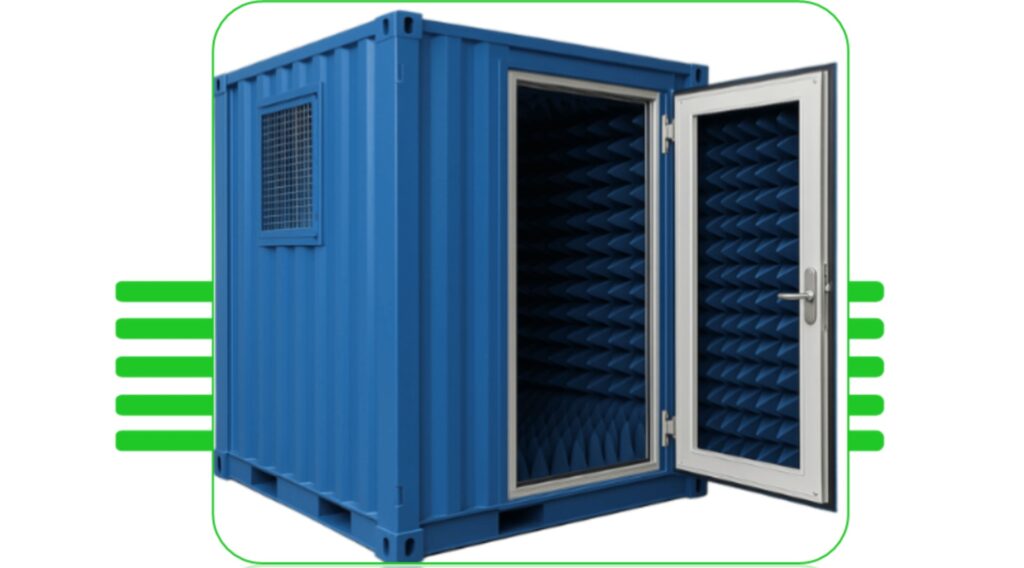
A mobile OTA test chamber provides this controlled environment while maintaining portability and flexibility. These chambers are designed to isolate devices from external signals, enabling engineers to conduct reliable measurements for antenna efficiency, signal strength, and radiation patterns.
Why 5G and IoT Devices Require Advanced OTA Testing
The transition to 5G and large-scale IoT networks has introduced new complexities in wireless product development.
Increased Frequency Bands
5G networks operate across multiple frequency ranges, including sub-6 GHz and millimeter-wave bands. These frequencies behave differently compared to traditional cellular signals, making testing more complex.
OTA testing helps engineers evaluate how devices perform across these frequencies without interference or signal distortion.
Massive Device Connectivity
IoT ecosystems include millions of devices operating simultaneously. Sensors, smart appliances, and industrial equipment all rely on stable wireless communication.
Testing these devices within a mobile OTA test chamber allows developers to ensure consistent connectivity across different conditions and device configurations.
Integrated Antenna Designs
Modern devices often include compact, embedded antennas that cannot be easily accessed through traditional testing methods. OTA testing evaluates how these antennas perform within the complete device structure, providing more accurate results.
Key Features of a Mobile OTA Test Chamber
Mobile OTA testing solutions are designed to provide flexibility without compromising measurement accuracy. Several important features make these systems valuable for modern RF testing environments.
RF Shielding
A well-designed chamber blocks external signals that could interfere with testing results. This shielding ensures that measurements reflect only the device under test.
Compact and Portable Design
Unlike large fixed testing chambers, mobile OTA systems can be moved between laboratories or production areas. This mobility allows teams to conduct testing wherever it is needed.
Antenna Measurement Capabilities
Advanced chambers support measurements for antenna radiation patterns, signal strength, and wireless performance across multiple frequencies.
Integration with Automated Test Systems
Modern testing environments rely on automation to improve efficiency and consistency. Many mobile OTA chambers integrate with automated test platforms, enabling faster testing cycles and repeatable results.
Benefits of Using Mobile OTA Testing Solutions
Organizations developing wireless products can gain several advantages by implementing mobile OTA testing environments.
Faster Product Development
Testing devices earlier in the design process helps engineers identify potential performance issues before production begins. This approach reduces redesign costs and accelerates product launches.
Improved Measurement Accuracy
OTA testing simulates real-world wireless conditions, providing a more accurate understanding of how devices perform in practical environments.
Flexible Testing Environments
A mobile OTA test chamber allows organizations to perform testing across multiple departments, including R&D labs, manufacturing lines, and quality assurance facilities.
Cost Efficiency
Compared to building large permanent test facilities, mobile solutions offer a cost-effective way to achieve reliable OTA measurements.
Best Practices for Implementing OTA Testing in Wireless Labs
Organizations looking to integrate OTA testing into their development process should follow several best practices.
Define Clear Testing Requirements
Before selecting testing equipment, organizations should determine the specific wireless standards, frequency bands, and device types that will be tested.
Ensure Proper Calibration
Calibration is essential for maintaining accurate measurement results. Regular calibration of antennas, sensors, and measurement instruments ensures consistent testing performance.
Combine OTA Testing with Other RF Testing Methods
While OTA testing is critical, combining it with traditional RF measurements provides a comprehensive view of device performance.
Invest in Scalable Testing Infrastructure
As wireless technologies evolve, testing requirements will continue to expand. Choosing scalable testing systems allows organizations to adapt to future standards and technologies.
Supporting Innovation in Wireless Testing
The rapid growth of wireless technologies requires testing solutions that are both accurate and adaptable. As new applications such as smart cities, connected vehicles, and industrial IoT continue to emerge, engineers must verify that devices can operate reliably across increasingly complex environments.
Testing solutions that offer flexibility, mobility, and precision will play an important role in supporting innovation across the wireless ecosystem. Mobile OTA chambers provide a practical way to evaluate antenna performance and wireless connectivity without the need for large, fixed testing facilities.
By enabling efficient and reliable testing processes, these solutions help manufacturers maintain high quality standards while keeping pace with evolving industry requirements.
Frequently Asked Questions
What is a mobile OTA test chamber used for?
A mobile OTA test chamber is used to evaluate wireless devices in a controlled environment where external interference is minimized. Engineers use these chambers to test antenna performance, signal strength, radiation patterns, and overall wireless connectivity.
Why is OTA testing important for 5G devices?
5G devices operate across multiple frequency bands and rely on advanced antenna systems. OTA testing helps verify how these devices perform in realistic conditions, ensuring stable connectivity and reliable signal transmission.
Can IoT devices benefit from OTA testing?
Yes. Many IoT devices rely on wireless communication technologies such as Wi-Fi, Bluetooth, LTE-M, and NB-IoT. OTA testing ensures these devices maintain stable connectivity while operating in different environments.
How does a mobile OTA chamber differ from a traditional chamber?
Traditional OTA chambers are large and permanently installed in specialized facilities. Mobile chambers offer similar testing capabilities but with greater flexibility, allowing engineers to move the system between labs or production areas.
What factors should organizations consider when selecting an OTA testing system?
Organizations should evaluate factors such as frequency range, shielding performance, antenna measurement capabilities, automation compatibility, and portability when choosing an OTA testing solution.
What industries use OTA testing solutions?
OTA testing is widely used in telecommunications, consumer electronics, automotive technology, IoT development, aerospace, and wireless infrastructure testing.
Advance Your Wireless Testing Capabilities
As wireless devices become more complex and connectivity demands continue to grow, reliable testing solutions are essential for ensuring performance and compliance. Investing in advanced OTA testing environments allows organizations to evaluate devices accurately, improve development efficiency, and deliver high-quality products to market.
Companies seeking innovative testing solutions often turn to trusted engineering partners with deep expertise in RF technologies. Orbis Systems is recognized for developing advanced testing solutions that support modern wireless development, helping organizations build reliable products for the next generation of connected technologies.