
Living with depression can feel exhausting, especially when standard treatments do not bring meaningful relief. Many people in Dallas struggle silently after trying multiple antidepressants, dealing with side effects, or feeling stuck in cycles of temporary improvement followed by relapse. For those searching for effective care beyond medication, TMS Therapy in Dallas has become an important option worth understanding.
Transcranial Magnetic Stimulation, commonly called TMS, offers a science-based approach that targets specific brain areas linked to mood regulation. It does not involve surgery, sedation, or systemic medication. For Dallas residents looking for depression care that aligns with modern mental health standards, this therapy has opened new possibilities for long-term symptom improvement.
This guide explains how TMS works, who it may help, what to expect during treatment, and why it is increasingly recommended by mental health doctors across North Texas.
Understanding Depression Beyond Medication
Depression is not simply a chemical imbalance. Research shows it often involves disrupted communication between brain regions responsible for mood, motivation, and emotional processing. While antidepressants aim to adjust neurotransmitter levels, they do not work the same way for everyone.
Many patients experience:
- Limited improvement after trying several medications
- Side effects such as fatigue, weight changes, or emotional numbness
- Difficulty staying consistent with long-term prescriptions
For individuals facing these challenges, psychiatrists may explore non-medication treatments that focus directly on brain activity. This is where TMS plays a role.
What Is TMS Therapy?
TMS is a non-invasive mental health treatment that uses magnetic pulses to stimulate targeted areas of the brain associated with depression. These pulses help restore normal activity patterns in regions that may be underactive in people experiencing depressive symptoms.
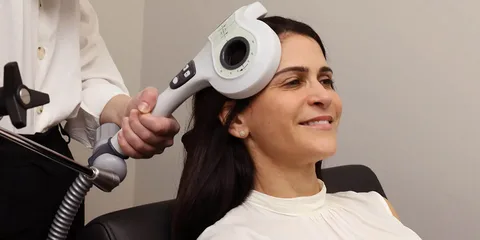
Unlike medication, TMS does not circulate through the bloodstream. Sessions are performed while the patient is awake and seated, and most people are able to return to normal daily activities immediately afterward.
In Dallas, TMS is commonly provided through specialized mental health clinics under the supervision of licensed psychiatrists and trained clinical teams.
How TMS Therapy Works
During a session, a magnetic coil is positioned near the scalp. The device delivers brief magnetic pulses that pass safely through the skull and stimulate nerve cells in the brain’s mood-related areas.
Over time, repeated stimulation helps:
- Improve communication between neural pathways
- Increase activity in underactive brain regions
- Reduce depressive symptoms without altering the entire nervous system
Treatment is typically scheduled five days per week over several weeks. The structure allows the brain to adapt gradually, which is why consistency plays a key role in results.
Who May Benefit From TMS Therapy in Dallas?
TMS is often recommended for adults who have not experienced sufficient improvement with antidepressants alone. Mental health doctors in Dallas may suggest it for individuals who:
- Have been diagnosed with major depressive disorder
- Did not respond to two or more medications
- Experienced side effects that made medication difficult to continue
- Prefer a non-systemic treatment approach
Some clinics also evaluate patients with anxiety symptoms that occur alongside depression, as mood and anxiety disorders often overlap.
A psychiatric evaluation is required before starting treatment to ensure safety and appropriateness.
What Happens During a Typical TMS Session?
A TMS appointment usually lasts between 20 and 40 minutes. The first visit includes a mapping process where the provider identifies the correct placement and stimulation strength for your brain.
During each session:
- You remain awake and alert
- No anesthesia or sedation is used
- You may feel light tapping or clicking sensations on the scalp
- Ear protection is provided due to clicking sounds from the device
Most patients describe the experience as manageable and adjust quickly after the first few sessions.
Safety and Side Effects
TMS has been studied extensively and is considered safe when administered by trained professionals. It does not cause memory loss and does not require recovery time.
Possible side effects may include:
- Mild scalp discomfort during treatment
- Temporary headache, usually resolving early in treatment
- Light facial muscle twitching during stimulation
Serious complications are rare, and clinics in Dallas follow strict protocols to minimize risks.
How Long Does It Take to See Results?
Patients using psychiatric services in Richardson often notice changes at different times, with some improving within weeks and others benefiting more gradually.
Mental health doctors often explain that improvement may include:
- Increased motivation
- Better sleep patterns
- Reduced emotional heaviness
- Improved focus and daily functioning
Results are typically evaluated throughout the course, allowing providers to adjust settings if needed.
How Long Do the Benefits Last?
Many patients maintain symptom improvement for months or longer after completing treatment. Some individuals may return for maintenance sessions if symptoms gradually reappear, similar to other long-term mental health care approaches.
Dallas clinics often combine TMS with:
- Ongoing psychiatric follow-ups
- Therapy or counseling
- Lifestyle and stress-management strategies
This integrated approach helps support long-term mental wellness.
TMS Therapy vs Antidepressant Medication
Both treatments aim to relieve depression, but they work differently.
Medication:
- Affects the entire nervous system
- May cause systemic side effects
- Requires daily adherence
TMS Therapy:
- Targets specific brain regions
- Does not involve medication ingestion
- Performed in structured clinical sessions
For some patients, TMS becomes an alternative. For others, it works alongside medication as part of a broader treatment plan.
Insurance Coverage and Cost Considerations
Many insurance providers now cover TMS for depression when medical criteria are met. Coverage often requires documentation of previous medication trials and a formal diagnosis.
Dallas mental health clinics typically assist patients with:
- Insurance verification
- Prior authorization
- Treatment planning discussions
Out-of-pocket options may also be available for those without coverage.
Choosing a TMS Provider in Dallas
Selecting the right clinic matters. When evaluating options, consider:
- Board-certified psychiatrists overseeing care
- Experience with depression and mood disorders
- Clear patient education and follow-up support
- Transparent treatment planning and expectations
A trusted provider will explain the process clearly, answer questions, and focus on patient safety and understanding.
When to Consider TMS Therapy
It may be time to explore non-medication options if depression continues to interfere with daily life despite previous treatment attempts. Persistent symptoms such as low mood, loss of interest, fatigue, or difficulty concentrating deserve professional attention.
Early evaluation can help determine whether TMS aligns with your mental health needs and goals.
The Role of TMS in Modern Mental Health Care
Mental health care is evolving. As research advances, treatments increasingly focus on targeted, personalized approaches rather than one-size-fits-all solutions. TMS reflects this shift by addressing specific brain activity patterns linked to depression.
For many Dallas residents, it represents progress toward effective care without relying solely on medication.
Final Thoughts
Depression is complex, and no single treatment works for everyone. For individuals seeking a non-medication approach, TMS Therapy in Dallas offers a research-supported option guided by psychiatric expertise. With its focus on brain-based treatment, minimal side effects, and growing accessibility, TMS continues to reshape how depression is managed in clinical settings.
If depressive symptoms have limited your quality of life despite previous efforts, consulting a qualified mental health doctor can help determine whether this therapy fits your path forward. Understanding your options is a meaningful step toward improved mental health and stability.