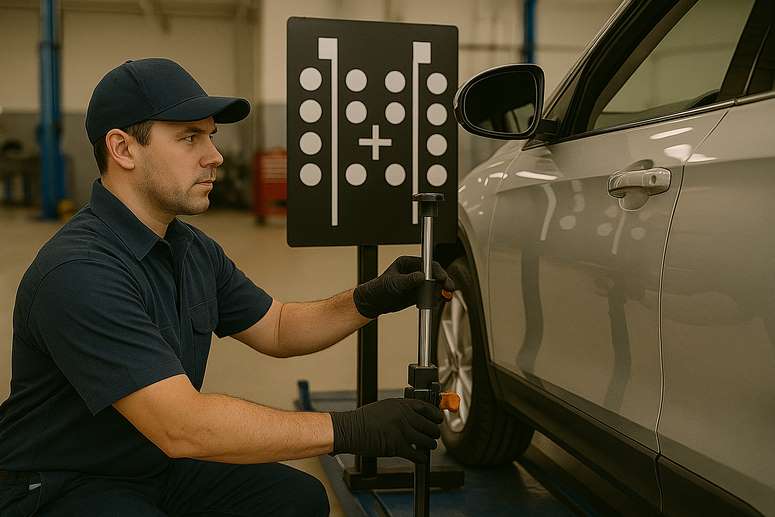

Modern vehicles rely heavily on advanced safety technology. Systems such as lane departure warning, adaptive cruise control, and automatic emergency braking depend on cameras and sensors to monitor the road. Even a small misalignment can cause incorrect readings, compromising safety. Visiting an Advanced ADAS Calibration Center ensures sensors remain properly aligned. Regular calibration maintains system accuracy, supports driver confidence, and reduces the risk of accidents. Accurate calibration is critical for keeping every safety feature functioning as designed.
Comprehending Vehicle Safety System Calibration
Calibration involves aligning cameras, radar sensors, and other electronic components to provide precise data to the vehicle’s safety systems. Sensors are usually located on the windshield, front and rear bumpers, and side mirrors. Proper calibration allows the system to detect lane markings, obstacles, and surrounding vehicles accurately. Misaligned sensors can trigger false warnings or fail to detect hazards. Regular calibration ensures that vehicle software and hardware work in harmony, keeping driver-assistance systems reliable and effective.
Signs That Vehicle Safety Systems Need Calibration
Modern vehicles alert drivers to sensor issues using dashboard warnings. Common signs include warning lights that persist after restarting, inconsistent lane-keeping behavior, and adaptive cruise control failing to detect vehicles ahead. Drivers may also notice unexpected braking or alerts triggered without hazards. Ignoring these signals can compromise safety and cause system failures. Scheduling timely calibration restores sensor accuracy and ensures safety systems continue functioning correctly, protecting both the driver and other road users.
Situations That Require Immediate Calibration
Several events can misalign sensors and cameras, making immediate calibration essential:
- After windshield replacement or repair
- Following collisions or accidents
- After suspension or wheel alignment work
- When sensors or cameras are replaced
- After major bodywork or bumper replacement
Even minor shifts can affect how sensors interpret the environment. Prompt calibration restores accuracy, preventing malfunctioning systems and maintaining driver confidence. Immediate attention ensures that all safety features operate correctly without delay.
Manufacturer Recommendations for Calibration Frequency
Vehicle manufacturers provide guidelines for calibration based on system type and model. Most recommend calibration whenever sensors, cameras, or related components are removed, replaced, or adjusted. Routine maintenance visits are also an opportunity to check alignment. Following manufacturer recommendations ensures that safety systems function as designed. Adhering to these guidelines reduces the risk of false alerts, maintains proper system performance, and preserves the long-term value of the vehicle.
The Role of Regular Inspections in Maintaining Safety Systems
Regular inspections help maintain sensor accuracy and overall system performance. Technicians use specialized equipment to verify camera and radar sensor alignment. Even minor shifts caused by road vibrations or low-impact collisions can affect performance over time. Early detection during inspections prevents larger issues and ensures continuous reliability. Consistent checks allow drivers to maintain fully operational safety systems, reducing the likelihood of accidents caused by misaligned sensors or malfunctioning components.
How Driving Conditions Can Affect Calibration Needs
Driving conditions significantly impact sensor alignment and calibration frequency. Rough roads, potholes, and construction zones can gradually misalign sensors. Weather-related factors such as snow, mud, or debris accumulation around cameras and radar may obstruct functionality. Vehicles frequently operating in challenging environments may require more frequent inspections and calibration. Ensuring sensors remain clean and properly aligned guarantees that safety systems function accurately, regardless of external conditions. Regular maintenance supports consistent performance in all driving situations.
Professional Calibration and Diagnostic Equipment
Professional calibration requires specialized manufacturer-approved tools and software. Technicians use calibration targets at precise distances to adjust sensor angles accurately. Diagnostic scans confirm that each system communicates correctly with the vehicle’s onboard computer. Calibration also ensures that interconnected safety systems work in harmony, avoiding errors or false alerts. Professional services maintain system integrity, adhere to manufacturer specifications, and deliver reliable performance, ensuring all safety technologies operate exactly as designed.
Benefits of Keeping Vehicle Safety Systems Properly Calibrated
Accurate calibration improves detection of potential hazards, preventing collisions and reducing false alerts. Drivers gain confidence knowing systems are operating correctly. Consistently calibrated sensors also protect long-term vehicle value by keeping advanced safety features functional. Proper calibration ensures lane assist, adaptive cruise control, and emergency braking respond accurately to real-world scenarios. Maintaining system reliability supports safer driving, reduces stress, and allows passengers and drivers to rely on the vehicle’s technology in critical situations.
Conclusion
Vehicle safety systems rely on precise sensor alignment to function correctly. Regular calibration, professional inspections, and attention to warning signs maintain system accuracy and reliability. Following manufacturer guidelines and scheduling calibration after repairs keeps all features fully operational. Consistent calibration protects drivers, passengers, and vehicles, ensuring advanced safety systems provide the performance expected. Maintaining alignment supports safer driving, reduces risks, and preserves the integrity of modern vehicle technology.
FAQs
How often should vehicle safety systems be calibrated?
Calibration frequency depends on manufacturer recommendations, repairs, or sensor replacements. Routine inspections during maintenance help ensure alignment.
What happens if sensors are misaligned?
Misaligned sensors can cause false alerts, fail to detect hazards, and reduce system effectiveness, increasing accident risk.
Does a windshield replacement require calibration?
Yes. Replacing or repairing a windshield can shift sensors. Immediate calibration restores accurate functionality.
How do road conditions affect calibration?
Rough roads, potholes, and debris can misalign sensors over time. Vehicles in challenging environments may need more frequent calibration.
What equipment is used for professional calibration?
Technicians use manufacturer-approved calibration tools, targets, and diagnostic software to adjust sensors and verify system performance.