
Watching your vibrant fish become lethargic, with fraying fins or strange “dusty” coatings, is every hobbyist’s nightmare. However, with the right Aquarium medications, even the most daunting diseases are treatable.
In this 2026 beginner’s guide, we will break down the most effective medicine for fish, how to identify common ailments like Fin Rot, Fungus, and Velvet, and where to find the best deals through Pet Supplies Online.
1. Fin Rot: The Silent Destroyer
Fin rot is typically a bacterial infection (usually Aeromonas or Pseudomonas) or a fungal infection that eats away at the delicate tissue of a fish’s fins and tail.
Symptoms to Watch For:
- Stage 1: Milky white or reddish discoloration at the edges of the fins.
- Stage 2: Frayed, “ragged” edges that look like they have been torn.
- Stage 3: The infection reaches the base of the fin (the “peduncle”), which can be fatal.
Best Medications for Fin Rot:
When shopping for Pet Supplies Online, look for broad-spectrum antibiotics.
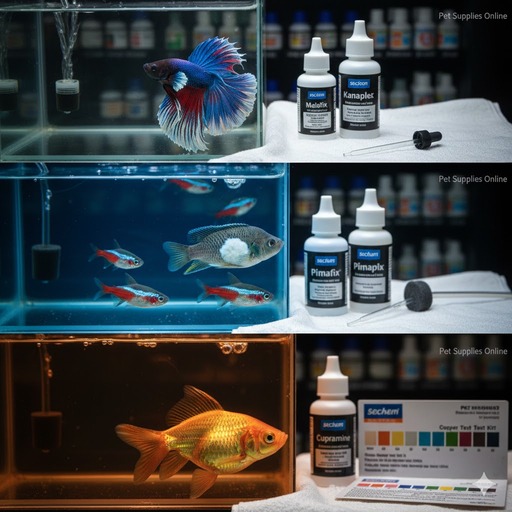
- API Melafix: A natural, tea-tree-based oil that promotes tissue regrowth and treats mild bacterial infections.
- Seachem Kanaplex: A powerful kanamycin-based medicine for fish that treats severe internal and external bacterial infections.
- Erythromycin: Excellent for gram-positive bacteria that often cause body slime and fin rot.
2. Fungus: The Cotton-Wool Growth
True fungal infections (Saprolegnia) often appear as white, fuzzy growths on the body or fins. These usually take hold after a fish has been injured or stressed by poor water quality.
Best Medications for Fungus:
- API Pimafix: Often used alongside Melafix, this antifungal botanical treatment is safe for plants and invertebrates.
- Methylene Blue: A classic Aquarium medication used as a “dip” or in quarantine tanks to kill fungal spores and improve oxygen transport in the blood.
- Fritz Mardel Maracyn-Oxy: A non-antibiotic treatment that targets true fungal infections effectively without crashing your nitrogen cycle.
3. Velvet (Gold Dust Disease): The Stealthy Parasite
Velvet is caused by the parasite Oodinium. It is far more dangerous than Ich (White Spot) because it is harder to detect and spreads more quickly. It looks like a fine dusting of gold or rust-colored powder on the fish’s skin.
Symptoms to Watch For:
- Fish “flashing” or rubbing against decor.
- Clamped fins and rapid gill movement.
- A “dusty” yellow or brownish coating visible under a flashlight.
Best Medications for Velvet:
- Copper-Based Treatments (e.g., Seachem Cupramine): Copper is the gold standard for Velvet. Warning: Copper is toxic to snails, shrimp, and many plants. Always use a copper test kit.
- AquaNature Paracure Advance: A modern, 2026-era blend that treats Velvet and Ich without the extreme toxicity of older copper formulas.
- Acriflavine: An antiseptic medicine for fish that is highly effective against the free-swimming stage of the Velvet parasite.
Medication Comparison Table
| Disease | Primary Cause | Key Symptom | Top Medication Choice |
| Fin Rot | Bacteria / Stress | Frayed, ragged fins | Seachem Kanaplex / API Melafix |
| Fungus | Saprolegnia | White, fuzzy patches | API Pimafix / Methylene Blue |
| Velvet | Oodinium (Parasite) | Gold/Rust-colored dust | Seachem Cupramine / Acriflavine |
| Columnaris | Bacteria | “Cotton mouth” patches | Furan-2 or Nitrofurazone |
4. Upcoming Trends in Fish Health (2026)
The landscape of Aquarium medications is shifting toward more sustainable and “smart” solutions. As you browse Pet Supplies Online this year, look for these emerging trends:
- Probiotic-Infused Treatments: Instead of just killing bad bacteria, newer formulas add “good” bacteria to the water to boost the fish’s natural immune system during recovery.
- AI-Driven Diagnostics: New apps allow you to take a photo of your sick fish; AI then analyzes the symptoms and recommends the exact medicine for fish needed.
- Bio-Adhesive Medications: Some modern treatments now feature polymers that help the medicine “stick” to the fish’s slime coat, ensuring more targeted healing with less waste in the water.
- Antibiotic-Free Alternatives: Due to rising concerns about antibiotic resistance, many manufacturers are turning to advanced botanical extracts and silver-ion technology.
5. Why Buy Pet Supplies Online?
Purchasing Aquarium medications through reputable online retailers offers several advantages:
- Wider Selection: Local shops may only carry one or two brands; online stores offer specialized treatments for rare diseases.
- Customer Reviews: Real-world feedback helps you determine whether a specific fish medicineactually works for your species.
- Bulk Savings: Buying common staples like water conditioners and general cures in bulk is significantly cheaper online.
6. How to Treat Your Fish Safely
- Use a Quarantine Tank: Never medicate your main “display” tank if you can avoid it. Medications can kill your beneficial bacteria, plants, and snails.
- Remove Carbon: Activated carbon in your filter will absorb the medication, rendering it useless. Remove it before dosing.
- Increase Aeration: Many Aquarium medications reduce the oxygen levels in the water. Add an air stone to help your fish breathe.
FAQs: Aquarium Medications
Q1: Can I use human antibiotics for my fish?
No. Never use human-grade medicine in an aquarium. Fish medications are specifically formulated for aquatic environments and concentrations. Human pills often contain binders that are toxic to fish.
Q2: Will medications kill my aquarium plants?
Some will. Copper-based medicines (for Velvet) and heavy dyes like Malachite Green can harm delicate plants. Always check the label for “Plant Safe” or “Invert Safe” icons when shopping Pet Supplies Online.
Q3: How soon should I see results?
Most bacterial and fungal treatments take 3–7 days to show significant improvement. Parasitic treatments like those for Velvet may require two full weeks to ensure all life-cycle stages are killed.
Q4: Is it okay to mix different medications?
Unless the manufacturer explicitly states otherwise (e.g., API Melafix and Pimafix), do not mix medications. Mixing chemicals can create toxic reactions or deplete oxygen levels instantly.
Q5: My fish died even after I used the medicine. Why?
Medication is often a “last resort.” If the fish were already too weak or if the underlying cause (poor water quality) wasn’t addressed, the medicine couldn’t save them. Always test your water parameters first.
Conclusion
Treating your fish requires a calm head and the right tools. By keeping a “first-aid kit” of essential Aquarium medications, like Melafix for fins, Pimafix for fungus, and a copper-based cure for velvet, you can act fast when disaster strikes. Remember, the best medicine for fish is a clean tank and a stress-free environment.
Read More:- Safe Heat Lamp for Fish Tank Use: What Every Aquarist Should Know