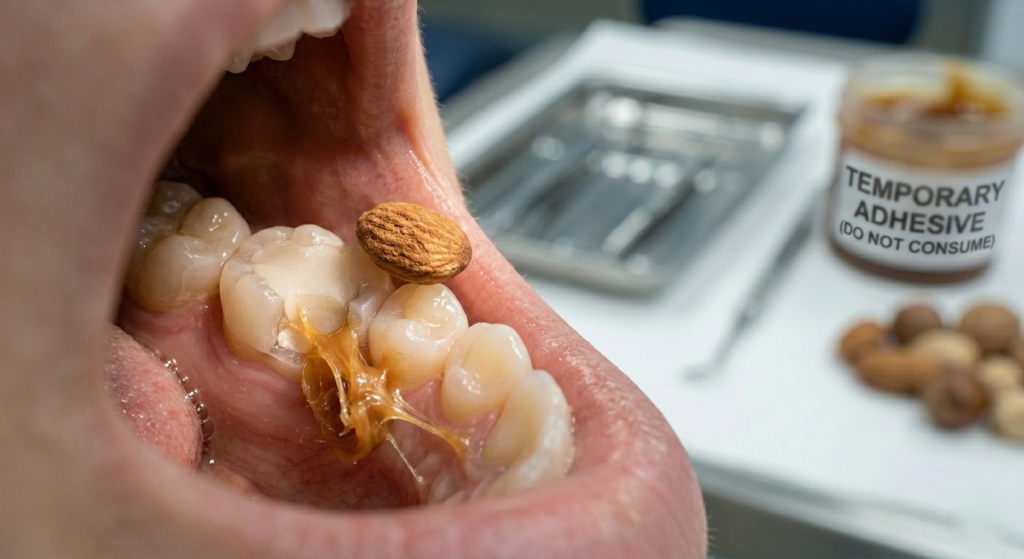

A dental visit does not always end with a permanent solution. In many cases, the dentist places a temporary dental filling to protect the tooth until the final treatment is complete. A temporary dental filling helps cover and seal the tooth after a procedure such as a root canal or while waiting for a crown. It acts as a short-term shield, but it is not as strong as a permanent filling.
Because it is not designed to last for a long time, patients need to be careful. Knowing what to avoid with a temporary dental filling can help prevent pain, damage, or the need for urgent repairs. Pinnacle Dentistry often educates patients about how to protect their temporary restorations so healing continues smoothly and safely.
Why Dentists Use a Temporary Dental Filling
Protecting the Tooth Between Visits
A temporary dental filling is usually placed when a treatment requires more than one appointment. For example, during a root canal, the inside of the tooth is cleaned and disinfected. Before placing a permanent crown or filling, the dentist uses a temporary material to close the opening. This keeps bacteria, food, and saliva out of the treated area.
Giving the Tooth Time to Heal
In some cases, a tooth needs time to settle before the final restoration. A temporary filling allows the dentist to check if the tooth responds well to treatment. If there is no pain or infection, the permanent solution can be placed during the next visit.
Short-Term Emergency Protection
If a tooth breaks suddenly or a filling falls out, a temporary dental filling can protect the exposed area until a full repair is done. It is a quick way to reduce discomfort and prevent further damage.
Why Temporary Fillings Need Extra Care
They Are Not as Strong as Permanent Fillings
Temporary filling materials are softer. They are designed to be easy to remove when the dentist is ready to place the final restoration. Because of this, they can wear down, crack, or fall out more easily.
They Are Meant for Short-Term Use
A temporary dental filling is not built to last months or years. It is a short-term solution. Leaving it in place for too long increases the risk of leakage, infection, or tooth damage.
They Can Be Sensitive
After treatment, the tooth may already be sensitive. The temporary material may not seal as tightly as a permanent filling, which can allow some mild sensitivity to hot or cold foods.
What to Avoid With a Temporary Dental Filling
Avoid Hard and Crunchy Foods
Hard foods can easily crack or dislodge a temporary dental filling. Patients should avoid:
- Hard candy
- Nuts
- Ice
- Raw carrots
- Hard bread crust
Biting down on something hard can loosen the filling and expose the tooth underneath.
Avoid Sticky Foods
Sticky foods can pull the filling out of the tooth. Items like caramel, chewing gum, and taffy can attach to the temporary material and remove it while chewing.
Avoid Chewing on the Treated Side
Dentists often advise patients to chew on the opposite side of the mouth. This reduces pressure on the temporary dental filling and lowers the risk of damage.
Avoid Very Hot or Very Cold Foods
Extreme temperatures can cause discomfort. Since the tooth may still be sensitive, very hot coffee or ice-cold drinks can trigger pain. Lukewarm foods and beverages are safer choices until the permanent filling is placed.
Avoid Grinding or Clenching Teeth
Teeth grinding puts strong pressure on fillings. A temporary dental filling may crack under this force. If a patient has a habit of grinding teeth, especially at night, a dentist may recommend a night guard.
Daily Habits to Avoid
Skipping Oral Hygiene
Some people fear brushing near a temporary filling. However, avoiding brushing can lead to plaque buildup and infection. The key is to brush gently around the area.
Using the Tooth as a Tool
Teeth should never be used to open packages, bite nails, or hold objects. Doing so can break the temporary dental filling and harm the tooth.
Delaying the Next Appointment
Temporary fillings are not permanent solutions. Skipping the follow-up visit can lead to serious problems. Patients should return to Pinnacle Dentistry as scheduled to complete their treatment.
How to Care for a Temporary Dental Filling
Brush Gently Twice a Day
A soft-bristled toothbrush is recommended. Gentle brushing keeps the area clean without disturbing the filling.
Floss Carefully
Flossing is important, but it should be done carefully. Instead of snapping the floss up and down, patients can slide it out gently to avoid pulling the filling loose.
Rinse With Warm Salt Water
Warm salt water can help reduce bacteria and soothe the gums. It is a simple way to support healing.
Follow the Dentist’s Instructions
Each case is different. Pinnacle Dentistry provides personalized care instructions based on the type of procedure performed. Following these instructions helps protect the temporary dental filling.
Signs Something Is Wrong
The Filling Feels Loose
If the filling moves when touched with the tongue, it may be loose. This should be checked as soon as possible.
Increased Pain or Sensitivity
Some mild discomfort is normal. However, sharp or lasting pain may indicate a problem under the filling.
Part of the Filling Falls Out
If even a small piece breaks off, bacteria can enter the tooth. It is important to contact the dental office quickly.
Swelling or Signs of Infection
Swelling, bad taste, or fever may signal infection. Immediate care is necessary in such cases.
What to Do If the Temporary Filling Falls Out
Stay Calm
While it may feel alarming, it is not uncommon for a temporary dental filling to come loose.
Keep the Area Clean
Rinse gently with warm water. Avoid chewing on that side.
Call the Dentist
Patients should contact Pinnacle Dentistry as soon as possible. The dentist may replace the temporary filling or move up the appointment for the permanent one.
How Long Can a Temporary Dental Filling Last?
Most temporary fillings are meant to last a few weeks. In some cases, they may remain intact for a short period longer, but this is not recommended. The longer it stays in place, the higher the risk of leakage and infection.
Regular follow-up appointments ensure that the tooth receives the proper final restoration in time.
The Importance of Completing Treatment
Preventing Infection
A permanent filling or crown seals the tooth completely. Without it, bacteria can re-enter and cause infection.
Restoring Full Strength
A temporary dental filling cannot handle normal biting force for long. A permanent restoration restores the tooth’s full function.
Protecting Long-Term Oral Health
Delaying the final treatment can lead to additional procedures. What starts as a simple filling could turn into a more complex and costly problem.
Common Myths About Temporary Dental Fillings
Myth: It Is Just as Strong as a Permanent Filling
Temporary materials are softer and easier to remove. They are not designed for long-term use.
Myth: It Is Okay to Wait Several Months
Waiting too long increases the risk of complications.
Myth: Pain Means the Treatment Failed
Mild sensitivity can be normal. However, ongoing pain should be checked by a dentist.
How Pinnacle Dentistry Supports Patients
Pinnacle Dentistry focuses on patient education and comfort. From the moment a temporary dental filling is placed, patients receive clear guidance on how to care for it. The team ensures that follow-up appointments are scheduled promptly and that patients understand the importance of completing their treatment.
Modern dental techniques and quality materials help provide strong temporary protection while preparing for a permanent solution. The goal is always to protect the tooth and restore full function with minimal discomfort.
Conclusion
A temporary dental filling plays an important role in protecting a tooth between dental visits. However, it requires careful attention and proper habits to prevent damage. Avoiding hard, sticky, and extreme-temperature foods can reduce the risk of dislodging the filling. Gentle brushing, careful flossing, and timely follow-up visits also support successful treatment.
Pinnacle Dentistry emphasizes the importance of patient awareness when managing temporary restorations. By understanding what to avoid with a temporary dental filling and following professional advice, patients can help ensure that their final restoration is placed smoothly and without complications. Taking simple precautions today protects long-term oral health and prevents unnecessary discomfort in the future.
Here, you can find more articles.