
Windows can make a building feel premium—or quietly drain money every month. That’s why many owners and facility managers treat glazing as a performance upgrade. In 2026, the most requested packages combine Low-E coatings, argon gas fills, and warm-edge spacers because they improve comfort and help control heating and cooling loss.
This guide shows how to compare double glazing glass companies without getting lost in sales talk—what they offer, what costs really include, and what warranty language actually matters.
The biggest mistake buyers make? Choosing the lowest quote without confirming the written glass specification and installation scope. That’s how projects end up with delays, drafts, or fogging disputes later.
Top 10 Double Glazing Glass Companies to Consider in 2026 (Shortlist Starters)
Availability varies by region, but these brands frequently appear in consumer testing and UK comparison roundups:
- Andersen Corporation
- Pella Corporation
- Marvin
- JELD‑WEN
- Milgard
- Anglian Home Improvements
- Everest
- Safestyle
- CR Smith
- First Home Improvements
These companies differ in frame systems, IGU configurations, and installation models—so comparisons should always be specification-based, not brand-only.
What Do Double Glazing Glass Companies Actually Offer?
Supply Only vs. Supply + Install
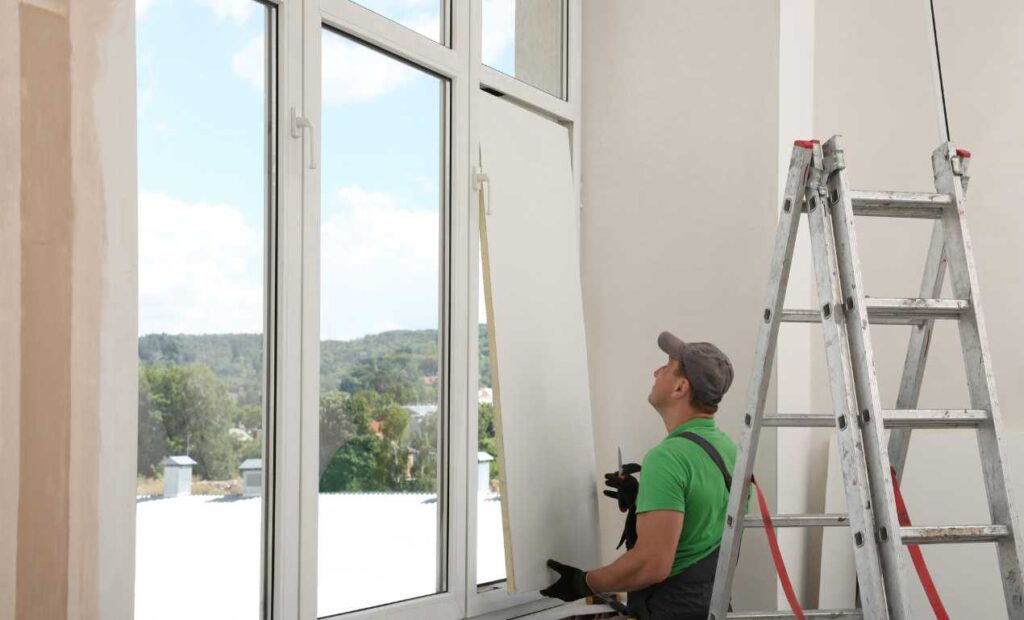
Some suppliers manufacture frames and insulated glass units (IGUs) but subcontract installation. Others provide full in-house measurement, fabrication, and fitting.
For shopping malls or multi-site commercial work, supply + install often reduces coordination risk.
Replacement Glass vs. Full Window Replacement
If frames are structurally sound, double-glazed glass replacement can be cost-effective.
If frames are warped, corroded, or leaking air, full replacement usually performs better long term.
Residential vs. Commercial Double Glazing
Commercial glazing contractors typically handle:
- Larger glass sizes
- Safety glass compliance
- Phased project schedules
- Documentation and inspection processes
Residential teams may move faster on smaller sites but may not support multi-building rollouts.
Common Custom Options
Modern double glazing glass companies typically offer:
- Tinted or solar-control glass
- Frosted/patterned privacy glass
- Laminated or toughened safety glass
- Acoustic glazing solutions
- Energy-efficient glazing bundles (Low-E + argon gas + warm-edge spacer)
Benefits of Choosing the Right Double Glazing Company
Picking between double glazing glass companies is really about predictable performance.
- Lower energy bills and steadier indoor temperatures
- Noise reduction in high-traffic areas
- Improved safety and security
- Reduced condensation when sealing is correct
- Stronger sustainability messaging for tenants and stakeholders
How to Pick the Best Double Glazing Glass Company (Quick Checklist)
When reviewing bids, use this short checklist:
- Standards and certifications relevant to your region
- Proven portfolio (similar building type and scale)
- Warranty scope (glass, frames, hardware, workmanship)
- Clear measurement and installation plan
- Written glass specs: thickness, spacer type, gas fill, Low-E coating
- Verified reviews and project case studies
- Transparent quote (equipment, disposal, sealing, timeline included)
Mini CTA (Copy-Paste Quote Checklist)
Ask each bidder to confirm:
“Please provide the exact IGU build-up (e.g., 6mm Low-E / 12mm spacer / argon / 6mm), warranty duration, and post-install service process.”
Double Glazing Costs: What You Should Expect to Pay
Costs vary by building type and region. Comparisons must be “like for like.”
Pricing changes based on:
- Window size and floor access
- Frame material (uPVC vs aluminum vs thermally broken aluminum)
- Glass upgrades (Low-E, acoustic, laminated, tinted)
- Removal, disposal, and finishing work
Common quote formats:
- Per opening (residential)
- Per square foot/meter (commercial)
- Phased packages (common in malls)
A “cheap” quote often excludes lifting gear, disposal, or finishing details—so itemization matters.
Best Double Glazing Glass Types (And Who Should Choose Which)
Low-E Double Glazing
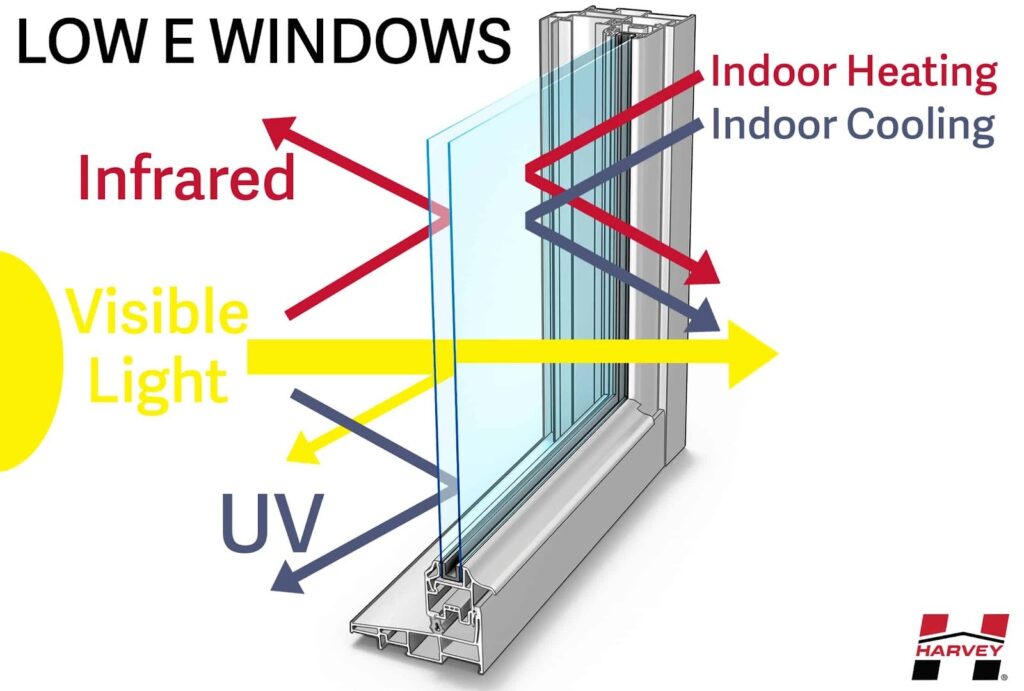
Low-E glass reduces heat transfer while allowing natural light. It’s widely recommended for energy-efficient upgrades.
Best for: Homes, offices, retail units aiming to reduce heating/cooling costs.
Acoustic Double Glazing
Acoustic glazing often uses mixed pane thicknesses or laminated layers to improve sound insulation.
Best for: Buildings near traffic, airports, or mechanical plant noise.
Laminated or Toughened Glass
Improves safety and security—especially for entrances, ground floors, and high-footfall areas.
Triple Glazing
Triple glazing increases insulation and noise reduction but adds weight and cost. Many buyers prefer high-spec double glazing (Low-E + argon + warm-edge spacer) for better value balance.
Questions to Ask Before Hiring (Copy-Paste)
- What glass thickness and spacer size will be used for each opening?
- Is the unit gas-filled (argon or equivalent), and is it certified/tested?
- What warranty covers seal failure and fogging, and for how many years?
- Is installation handled in-house or subcontracted?
- What is the process if condensation appears between panes?
- Is after-install service local? What is the response time?
Note: Many IGU warranties cover seal failure for around 10 years, though some products offer longer terms.
Red Flags to Avoid
- Very low quotes with no written glass specification
- No clear written warranty terms
- “Double glass” wording without IGU detail
- No measurement visit on commercial work
- No clarity on spacer or sealing system
Best Way to Get the Lowest Price (Without Downgrading Quality)
A smart negotiation plan looks like this:
- Collect 3–5 quotes using the same window schedule
- Demand itemized pricing
- Negotiate upgrades instead of pushing only for price cuts
- Consider off-peak installation timing
FAQs (Great for Featured Snippets)
How long does double glazing last?
Seal failure is the most common long-term issue. Quality IGUs often last 10–20 years depending on build and installation.
Does it eliminate noise completely?
No. It reduces noise—sometimes significantly—but poor sealing or weak frames limit results.
Is double glazing worth it in hot climates?
Yes, especially with Low-E and solar-control glass to reduce heat gain.
Can only the glass be replaced?
Yes—if frames are structurally sound and resealing is done correctly.
What is better: uPVC, aluminum, or wood frames?
It depends on climate, maintenance tolerance, and design goals. Commercial buildings often prefer thermally improved aluminum systems.
Additional 5 FAQs (PAA-Style)
What is a warm-edge spacer?
A spacer designed to reduce heat transfer at the edge of the glass, helping minimize condensation.
What causes fogging between panes?
Usually IGU seal failure, allowing moisture inside.
Is argon gas worth it?
Yes. Argon improves insulation when combined with Low-E coatings and proper sealing.
How can installation quality be verified?
Request a measurement report, sealing photos, and final inspection documentation.
Do malls require phased installation?
Often yes—phasing reduces disruption and keeps tenants operating.
Final Takeaway
Comparing double glazing glass companies isn’t about choosing the biggest brand or the lowest quote. It’s about verifying:
- Exact IGU build-up
- Installation responsibility
- Warranty clarity
- Scope transparency
When specifications are written clearly and quotes are itemized, performance becomes predictable—and that’s what protects your building long term.