

Graffiti and mural art have become powerful forms of expression around the world. From large-scale community murals to spontaneous street art, these works can tell stories, challenge ideas, and transform public spaces. For many artists, painting walls, laneways, or urban structures feels like a natural extension of creativity.
However, the line between art and vandalism is not always clear. What one person sees as meaningful art, another may see as property damage. For artists, misunderstanding that line can sometimes lead to fines, charges, or even criminal records.
This article is designed to help graffiti and mural artists understand when street art is legal, when it crosses into vandalism, and what to do if someone accuses you of breaking the law.
When Is Graffiti or Street Art Legal?
In most countries, the legality of graffiti and murals comes down to one key factor: permission.
Street art is generally lawful when:
- You have clear permission from the property owner
- The work is part of a council-approved or community art project
- You’ve been commissioned by a business, organisation, or individual
- The location is a designated legal wall or public art space
Permission doesn’t have to be complicated, but it should be clear. Written permission, such as an email, message, or contract, protects you if questions arise later. Verbal permission can be disputed, especially if ownership changes or complaints are made.
When consent is properly documented, graffiti or mural work is treated like any other commissioned artwork rather than an illegal act.
When Does It Become Vandalism?
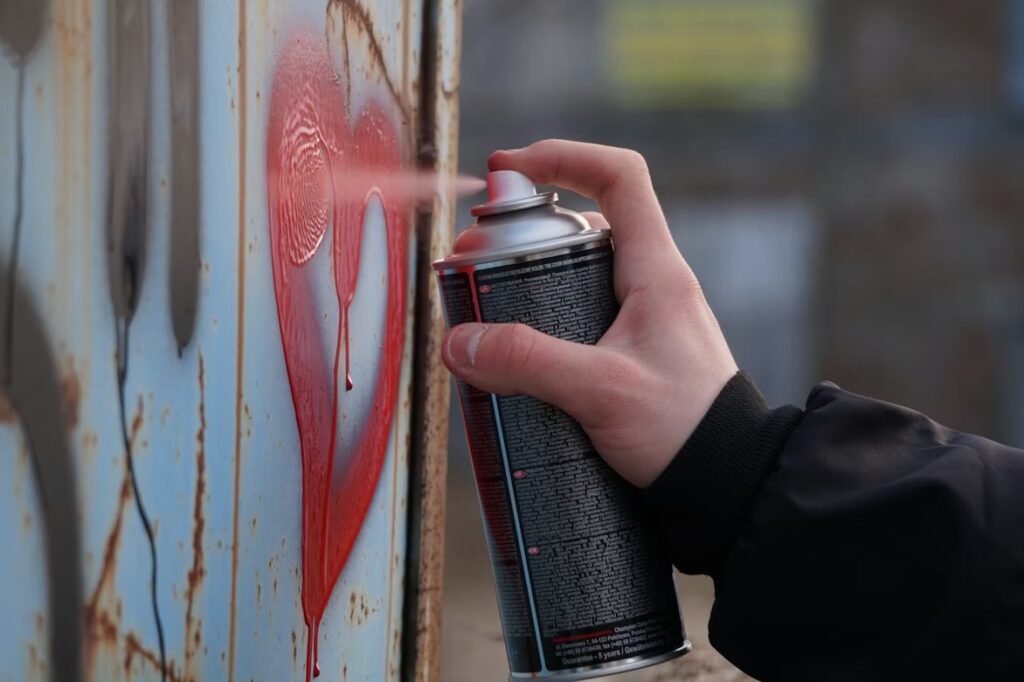
Graffiti is usually considered vandalism when it is created without consent, regardless of artistic intent.
This often includes:
- Painting on private or public property without permission
- Marking infrastructure such as trains, bridges, tunnels, or road signs
- Altering heritage buildings or protected structures
- Creating work that causes permanent or costly damage
A common misconception among artists is that non-offensive or visually appealing work is less likely to be treated as vandalism. In reality, aesthetic value rarely outweighs property rights under the law.
Even well-received artwork can result in legal action if the owner did not agree to it.
Common Grey Areas Artists Should Be Careful With
Many legal issues arise not from deliberate rule-breaking, but from misunderstandings. Some of the most common grey areas include:
- Abandoned buildings
A building may look unused, but it is often still legally owned. - Popular graffiti spots
Just because many people paint there doesn’t mean it’s legal. - Temporary art (chalk, stickers, paste-ups)
Temporary materials can still attract complaints or penalties. - Permission from the wrong person
Consent must come from the actual owner or authorised manager, not just a tenant or friend.
These situations often feel acceptable to artists but can still lead to accusations of vandalism.
What Happens If Someone Accuses You of Vandalism?
Being accused of vandalism can be stressful, especially if your intention was artistic rather than destructive. What you do in the moment can significantly affect the outcome.
If approached by police, council officers, or property owners:
- Stay calm and respectful
- Avoid arguing or explaining emotionally
- Do not admit fault on the spot
- Ask what the allegation is and what the next steps are
In some cases, matters are resolved with warnings or clean-up requests. In others, the situation may escalate into a criminal matter, particularly if property damage is alleged or if there are prior incidents.
This is often when people seek guidance from criminal lawyers, not because they intended to do anything wrong, but because they want to understand their rights, options, and potential consequences before the situation worsens.
Why These Situations Can Become Criminal Matters

Many artists are surprised to learn that vandalism is treated as a criminal offence in many jurisdictions. Depending on the circumstances, consequences may include:
- Fines
- Community service or clean-up orders
- Court appearances
- A criminal record
Criminal lawyers frequently see cases where artists believed the issue would remain minor, only to discover that the legal system takes property damage seriously. Early legal advice can sometimes help resolve matters before they escalate further.
Vandalism and the Australian Law
In Australia, graffiti and vandalism are generally regulated under state and territory criminal legislation, with specific rules varying by location.
Common features across Australia include:
- Graffiti without consent may be charged as property damage
- Penalties can range from on-the-spot fines to court proceedings
- Courts may order clean-up costs or community service
- Carrying graffiti tools in certain circumstances can also be an offence
- Many councils actively support legal mural and street art programs
Australian criminal lawyers often assist artists who did not intend harm but underestimated how strictly graffiti laws are enforced, particularly in public transport areas or high-visibility locations.
Artists working in Australia are encouraged to check local council guidelines, as legal mural opportunities are widely available in many cities.
How Artists Can Protect Their Creativity (and Themselves)
Creating legally doesn’t mean compromising artistic expression. Artists can reduce legal risk by:
- Securing permission in writing
- Keeping records of approvals or commissions
- Researching council-run street art programs
- Avoiding sensitive or restricted locations
- Understanding local laws before painting
Stay Creative
Graffiti and mural art continue to shape culture, challenge perspectives, and beautify communities. But the freedom to create comes with responsibilities, especially when public and private spaces are involved.
Most legal issues don’t arise from malicious intent. They come from uncertainty about boundaries, consent, and consequences. Understanding where the law draws the line allows artists to keep creating confidently, without unnecessary risk.
Author Bio: Carmina Natividad is a daytime writer for Catron Simmons Lawyers, a trusted Adelaide-based law firm offering expert legal services in family law, wills and estates, property settlements, and support from skilled criminal lawyers in Australia. She enjoys writing helpful and easy-to-digest content about legal topics, offering practical tips and insights to make navigating life’s tricky situations a little less stressful.