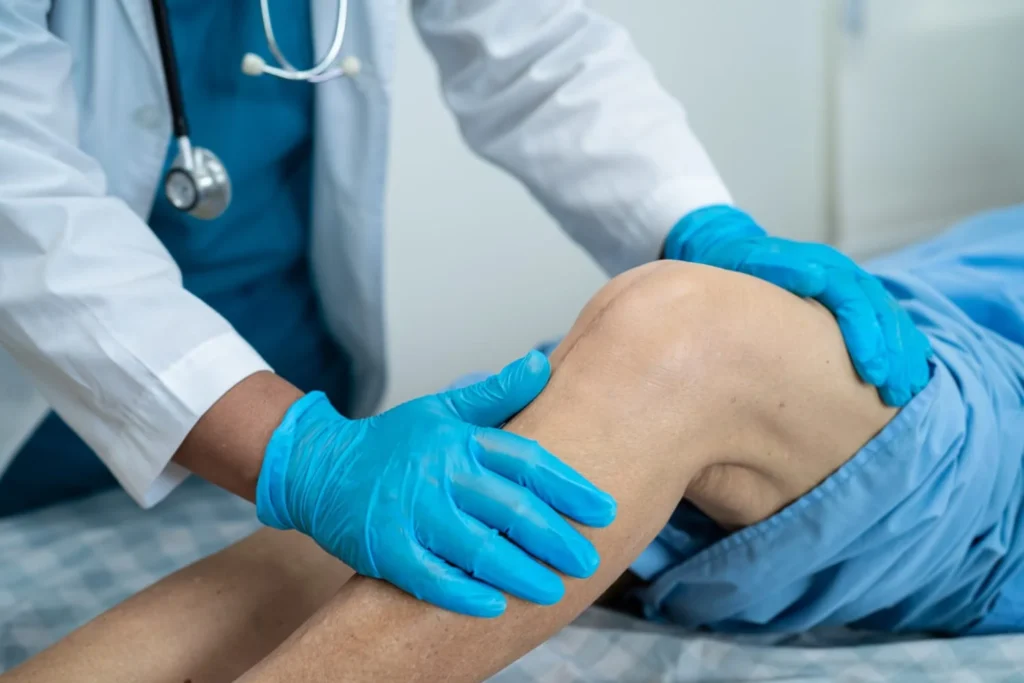

Recovery after full knee replacement surgery does not end when the operation is complete. Many people focus on pain relief, but long-term success depends on how the joint is used and protected afterwards. Mobility improves gradually, and daily habits play a significant role in joint comfort and stability. Understanding what changes to expect, how to exercise safely, and how to protect the new joint helps patients return to routine activities with confidence.
Understanding Life After Knee Replacement
Life after knee replacement involves steady improvement rather than instant results. The joint needs time to adapt to movement, load, and muscle coordination. After a full knee replacement, the damaged joint surfaces are replaced to reduce pain and improve function. However, muscles around the knee may feel weak initially due to limited use before surgery. Rehabilitation focuses on rebuilding strength, restoring balance, and improving movement patterns. Progress varies between individuals, depending on fitness level, age, and engagement with recovery exercises.
Mobility After Full Knee Replacement
Mobility is often the first concern during recovery. Many patients want to know when they can resume walking, climbing stairs, or performing daily tasks.
Early mobility goals
In the early weeks, mobility focuses on safe movement rather than speed. Walking usually begins with support, which helps maintain balance and reduce strain on the joint. Short, frequent walks support circulation and reduce stiffness. During this phase, controlled movement supports healing and builds confidence.
Gradual return to daily activities
As strength improves, walking distance increases, and reliance on support reduces. Many people resume basic household tasks within weeks, provided they avoid sudden twisting or uneven surfaces. After full knee replacement surgery, smooth, controlled movement is essential, especially when changing direction or standing from a seated position.
Exercise as a Key Part of Recovery
Exercise supports recovery by strengthening muscles and improving joint flexibility. It also helps patients regain confidence in their movement.
Why exercise matters
Exercise improves the support around the knee, reducing pressure on the joint itself. Strong muscles help absorb impact during walking and standing. Regular activity also supports better balance, which lowers the risk of falls.
Recommended types of exercise
Low-impact activities are suitable for most patients after knee replacement. These activities support movement without placing excess stress on the joint.
- Walking on flat, even surfaces helps improve endurance.
- Stationary cycling supports knee bending and muscle strength.
- Gentle stretching maintains flexibility and reduces stiffness.
A physiotherapist guides exercise progression, ensuring movements remain safe and effective during recovery.
Exercises to avoid initially
High-impact activities place extra load on the joint and should be avoided during early recovery. Running, jumping, and contact sports increase stress on the knee and may affect joint stability. Patients should reintroduce activities gradually and only under professional guidance.
Joint Protection in Everyday Life
Joint protection focuses on reducing unnecessary strain while maintaining independence. Minor adjustments in daily habits can make a significant difference.
Safe movement habits
Simple movement techniques help protect the knee during routine activities. Standing up slowly, avoiding sudden turns, and keeping movements controlled can help reduce joint stress. Using both legs evenly when standing or sitting supports balance and comfort.
Footwear and surfaces
Supportive footwear improves stability and reduces knee impact; shoes with a good grip mitigate the risk of slipping, especially on smooth surfaces. Walking on uneven ground requires extra care, particularly during the early months after surgery.
Managing activity levels
Balancing activity and rest helps prevent joint fatigue. Overexertion may lead to swelling or discomfort, while regular movement supports flexibility. Listening to the body allows patients to adjust activity levels appropriately over time.
Long-Term Mobility and Lifestyle Considerations
Recovery continues for several months, and long-term habits influence joint comfort and function.
Maintaining strength over time
Ongoing exercise supports muscle strength and joint stability. Even after formal rehabilitation ends, regular low-impact activity helps maintain mobility. Consistency matters more than intensity, especially for joint health.
Weight management and joint health
Maintaining a healthy body weight reduces pressure on the knee joint. Excess weight increases load during walking and standing, which may affect comfort over time. Balanced nutrition and regular activity support joint longevity.
Monitoring joint health
Regular follow-ups help track recovery progress and address concerns early. Patients benefit from reporting persistent pain, swelling, or limited movement. Early guidance improves long-term outcomes after knee replacement.
Returning to Work and Social Activities
Many people have concerns about resuming work or social routines. Planning helps make this transition smoother. Desk-based work may resume earlier, while physically demanding roles often require more recovery time. Social activities can return gradually, provided movements remain controlled. Understanding physical limits helps patients participate without discomfort or risk.
Conclusion
Life after knee replacement involves gradual improvement supported by regular exercise, mindful movement, and joint protection. Mobility increases over time when patients focus on strength, balance, and safe activity choices. Exercise supports recovery, while daily habits reduce unnecessary strain on the joint. With patience and steady effort, many people regain independence and confidence in movement.