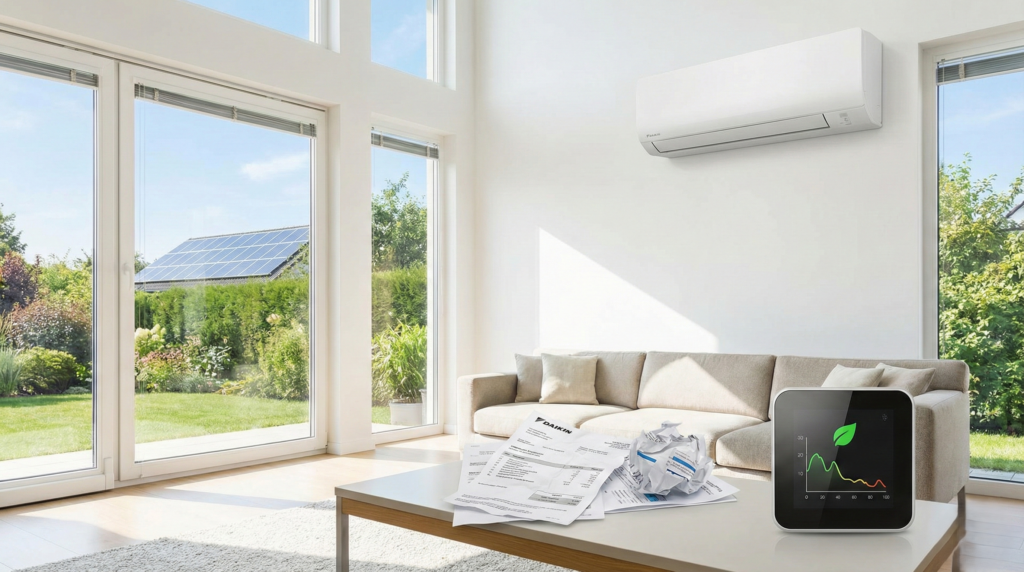

Rising energy costs are a concern for many homeowners, especially when heating and cooling systems run for long hours throughout the year. Choosing the right HVAC system can make a noticeable difference in both comfort and monthly expenses. A Daikin mini split is often recommended as an energy-efficient option for homes looking to reduce power consumption without sacrificing indoor comfort.
Unlike traditional HVAC systems that rely on ductwork, mini split systems deliver conditioned air directly into specific rooms. This targeted approach helps minimize energy waste, improves efficiency, and gives homeowners better control over their indoor environment.
Understanding How Mini Split Systems Work
A mini split system is made up of two main parts: an outdoor compressor unit and one or more indoor air-handling units. These components are connected through a small conduit that carries refrigerant, power, and drainage.
Ductless Design Reduces Energy Loss
Traditional ducted systems can lose a significant amount of energy through leaks, gaps, and poor insulation. When air escapes before reaching the intended space, the system must work harder to maintain the desired temperature.
Because mini splits operate without ducts, the air travels directly from the unit into the room. This helps reduce wasted energy and allows the system to run more efficiently.
Inverter Technology Improves Performance
Many modern mini split systems use inverter-driven compressors. Instead of constantly turning on and off, the compressor adjusts its speed based on the room’s needs.
This steady operation helps:
- Maintain consistent temperatures
- Reduce electricity usage
- Prevent sudden spikes in energy demand
- Extend the lifespan of the system
Over time, this smarter operation can contribute to noticeable savings on utility bills.
Why Energy Efficiency Matters More Than Ever
Energy efficiency is no longer just a trend. It has become an important factor for homeowners who want to control expenses and reduce environmental impact.
Lower Monthly Utility Costs
Heating and cooling typically account for a large portion of household energy use. An efficient system uses less electricity to produce the same level of comfort, which can help lower monthly bills.
Reduced Carbon Footprint
Using less energy also means fewer greenhouse gas emissions. For homeowners interested in environmentally responsible choices, efficient HVAC systems support long-term sustainability.
Improved Home Value
Energy-efficient upgrades often make a home more attractive to future buyers. Buyers increasingly look for properties with modern systems that promise lower operating costs.
What Makes a Daikin Mini Split Energy Efficient?
Not all mini split systems are built the same. Several features contribute to the efficiency that homeowners often associate with this type of system intranet solutions Sydney.
High Seasonal Energy Efficiency Ratios
SEER measures how efficiently an air conditioner operates over an entire cooling season. Systems with higher ratings generally consume less power.
Many mini split models achieve strong efficiency ratings, which can translate into reduced electricity use compared to older systems.
Zoned Cooling and Heating
Zoning allows homeowners to control temperatures in individual rooms rather than conditioning the entire house at once.
Benefits of zoning include:
- Cooling only occupied spaces
- Avoiding energy waste in empty rooms
- Customizing comfort for different family members
- Reducing system workload
This level of control can make a noticeable difference in energy consumption.
Smart Controls and Programmable Settings
Advanced controls allow users to schedule temperature changes throughout the day. For example, the system can automatically reduce output when no one is home and return to a comfortable setting before occupants return.
This automation prevents unnecessary energy use while maintaining convenience.
Comparing Mini Splits to Traditional HVAC Systems
Understanding the differences between these systems helps clarify where energy savings may occur.
Ducted Systems Often Lose Conditioned Air
Even well-installed ducts can develop leaks over time. Poor insulation in attics or crawl spaces can also cause temperature loss.
Mini splits avoid this problem entirely by delivering air directly into living areas.
Central Systems Heat and Cool the Entire House
Traditional systems typically treat the home as one large zone. Even rarely used spaces receive the same level of conditioning.
Mini splits allow homeowners to focus only on the rooms they use most.
Installation Flexibility
Adding ductwork to older homes can be costly and disruptive. Mini splits usually require only a small wall opening, making installation simpler and often faster.
Less invasive installation can also help homeowners avoid additional renovation expenses.
Real Factors That Influence Energy Savings
While mini splits are efficient, actual savings depend on several practical factors.
Home Size and Layout
Larger homes may require multiple indoor units to achieve balanced comfort. Proper system sizing ensures the equipment runs efficiently rather than overworking.
Insulation Quality
Even the best HVAC system cannot compensate for poor insulation. Sealing air leaks and upgrading insulation can enhance overall efficiency.
Climate Conditions
Homes in regions with extreme temperatures may rely more heavily on heating or cooling. Efficient equipment becomes especially valuable in these environments.
Daily Usage Habits
Simple habits can impact energy consumption, such as:
- Adjusting temperatures when away
- Keeping doors and windows closed
- Using ceiling fans to support airflow
- Performing routine maintenance
These behaviors help maximize the system’s efficiency.
The Role of Proper Installation
A high-quality system performs best when installed correctly. Poor installation can reduce efficiency and shorten equipment lifespan.
Correct System Sizing Prevents Energy Waste
An oversized system may cycle too frequently, while an undersized unit may struggle to maintain comfort. Professional load calculations help determine the right capacity.
Strategic Indoor Unit Placement
Placement affects airflow and temperature balance. Units should be positioned where air can circulate freely without obstruction.
Refrigerant Charge Accuracy
Too much or too little refrigerant can negatively impact efficiency. Precise calibration ensures optimal operation.
Maintenance Helps Preserve Efficiency
Regular upkeep keeps the system running smoothly and prevents gradual performance decline.
Clean Filters Support Airflow
Clogged filters force the system to work harder, increasing energy use. Cleaning or replacing filters regularly supports efficient operation.
Coil Cleaning Improves Heat Transfer
Dust and debris can accumulate on coils, reducing their ability to absorb or release heat effectively.
Professional Inspections Catch Small Issues Early
Routine inspections help identify worn components, refrigerant issues, or electrical concerns before they lead to costly repairs.
Consistent maintenance protects both comfort and long-term savings.
Comfort Benefits That Indirectly Reduce Costs
Energy savings are not the only advantage homeowners may notice.
Stable Indoor Temperatures
Frequent temperature swings can cause systems to run longer than necessary. Mini splits maintain steady conditions, which supports efficient performance.
Quiet Operation
Many mini split systems operate at lower sound levels than traditional units. This quieter performance improves the indoor experience without affecting efficiency.
Improved Air Quality
Advanced filtration can help reduce dust and allergens. Cleaner air contributes to a healthier living space.
When a Mini Split Makes the Most Financial Sense
Certain situations make mini split systems particularly attractive.
Older Homes Without Existing Ductwork
Installing ducts in older properties can be expensive. A ductless system provides modern comfort without major structural changes.
Home Additions and Renovations
New rooms often strain existing HVAC systems. A mini split can independently serve these spaces without overloading the primary system.
Frequently Used Rooms
Spaces like home offices, garages, or finished basements benefit from targeted conditioning rather than relying on whole-home airflow.
Common Misconceptions About Energy Savings
Despite their efficiency, some misunderstandings persist.
Higher Upfront Cost Means Higher Overall Expense
While initial costs may exceed some traditional units, long-term energy savings can help offset the investment.
Mini Splits Are Only for Small Spaces
Modern systems can handle larger areas and even entire homes when designed correctly.
Efficiency Means Reduced Comfort
Efficiency and comfort often go hand in hand. Advanced technology allows systems to maintain pleasant temperatures while using less power.
Tips for Maximizing Energy Savings
Homeowners can take several steps to get the most from their HVAC system.
Use Programmable Features
Scheduling temperature adjustments prevents unnecessary operation.
Keep Outdoor Units Clear
Removing debris, leaves, and vegetation ensures proper airflow around the compressor.
Seal Air Leaks
Weatherstripping doors and windows helps retain conditioned air.
Upgrade Insulation When Possible
Better insulation supports consistent indoor temperatures and reduces system workload.
Long-Term Financial Perspective
Looking beyond monthly bills helps homeowners understand the broader value of efficient equipment.
Predictable Operating Costs
Efficient systems often result in more stable utility expenses, making household budgeting easier.
Potential Incentives and Rebates
Some regions offer financial incentives for installing high-efficiency HVAC equipment, further improving affordability.
Extended Equipment Lifespan
Systems that operate efficiently typically experience less mechanical strain, which may help them last longer.
Environmental Advantages of Efficient Systems
Energy efficiency benefits both households and the broader environment.
Lower Energy Demand
Reduced electricity consumption helps ease pressure on power grids, especially during peak seasons.
Support for Sustainable Living
Choosing efficient technology aligns with long-term environmental goals and responsible resource use.
Reduced Emissions
Using less energy contributes to fewer emissions from power generation sources.
Signs It May Be Time to Upgrade
Recognizing the right moment to replace an aging system can prevent rising energy costs.
Increasing Utility Bills
A steady climb in energy expenses often signals declining efficiency.
Frequent Repairs
Repeated service calls can quickly add up, making replacement a more practical option.
Uneven Temperatures
Hot and cold spots throughout the home may indicate that the current system is no longer performing effectively.
Aging Equipment
Older systems typically operate at lower efficiency levels compared to modern alternatives.
How Technology Continues to Improve Efficiency
HVAC innovation continues to move toward smarter and more adaptive systems.
Smart Home Integration
Many modern units connect with home automation platforms, allowing remote control and monitoring.
Sensors That Adjust Output
Advanced sensors detect occupancy and temperature changes, helping the system respond more precisely.
Enhanced Compressor Design
Improved compressor technology supports quieter operation and reduced power consumption.
Evaluating the True Cost of Ownership
When considering a new HVAC system, focusing solely on purchase price can be misleading.
Installation Quality Matters
A well-installed system performs better and avoids efficiency losses.
Operating Costs Add Up Over Time
Lower monthly expenses can gradually balance the initial investment.
Reliability Reduces Unexpected Spending
Dependable equipment minimizes surprise repair costs.
Conclusion
Reducing energy expenses is a priority for many homeowners, and selecting efficient heating and cooling equipment plays a major role in achieving that goal. A Daikin mini split offers a combination of targeted temperature control, advanced compressor technology, and ductless operation that can help limit unnecessary energy use while maintaining consistent indoor comfort.
When properly installed and maintained, this type of system allows homeowners to cool or heat only the spaces they actually use, supporting smarter energy consumption. Over time, the potential for lower utility bills, improved comfort, and reliable performance makes it a practical option for households seeking long-term value.
For those exploring modern HVAC solutions, consulting experienced professionals such as The AC outlet can provide helpful guidance in choosing a system that aligns with both efficiency goals and home comfort needs.
Here, you can find more articles.