
1) What’s driving Glass Partition demand in 2026
Open layouts are still popular, but most teams and homeowners want clearer boundaries than they did a few years ago. They want light and visibility, but also need quiet corners, private calls, and well-defined zones for work, shopping, or living.
That mix is why a Glass Partition has become a go-to choice for offices, shopping malls, showrooms, clinics, and modern homes. In many renovations, the fastest upgrade is replacing a solid wall with a Glass Partition that keeps the plan open. It creates separation without turning spaces into dark boxes. It also looks “finished” in photos, which matters for ecommerce brands and property listings.
The biggest 2026 trends design teams keep asking for:
· Privacy that can change (bands, films, or switchable glass)
· Better sound control for meeting rooms and executive spaces
· Cleaner detailing (slimmer frames, minimal channels, hidden hardware)
· Modular layouts that can be reconfigured without major demolition
· Easy-clean finishes for high-traffic locations
2) Quick overview of partition styles
This guide focuses on ideas, but style choice affects budget and performance.
frameless glass partition
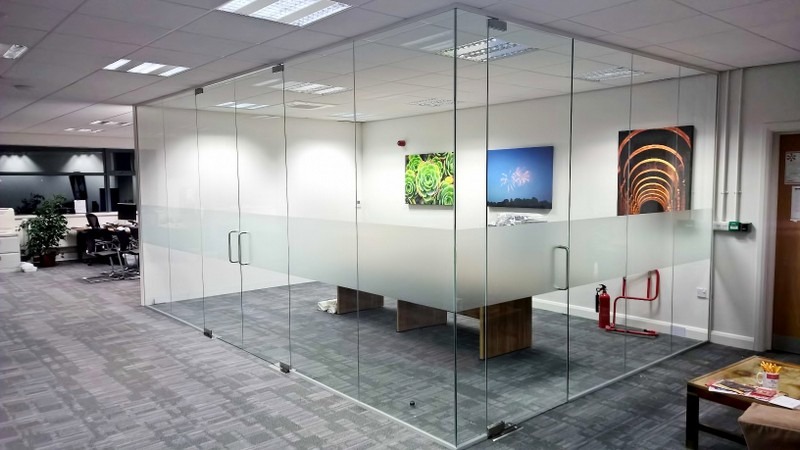
A frameless glass partition is the minimal, premium look. It suits modern corporate interiors, reception areas, and retail zones where a clean, “floating” effect is the goal.
framed glass partition
A framed glass partition adds perimeter support and can handle long runs, high doors, and tougher daily use. Many malls and busy businesses choose frames for durability and easier alignment.
Privacy options (fast wins)
· Frosted bands (eye-level privacy, still bright)
· Full frosting for confidential rooms
· Patterned films for branding
· Switchable glass for on-demand opacity
Door options
· Sliding doors: great for tight areas and corridors
· Swing doors: faster access where space allows
· Double doors: ideal for boardrooms and wider openings
3) 21 stunning design ideas for homes and offices
Idea 1: Full-height clear panels for maximum daylight
A Glass Partition from floor to ceiling keeps the plan open and makes small spaces feel larger.
Idea 2: Black grid “industrial” style
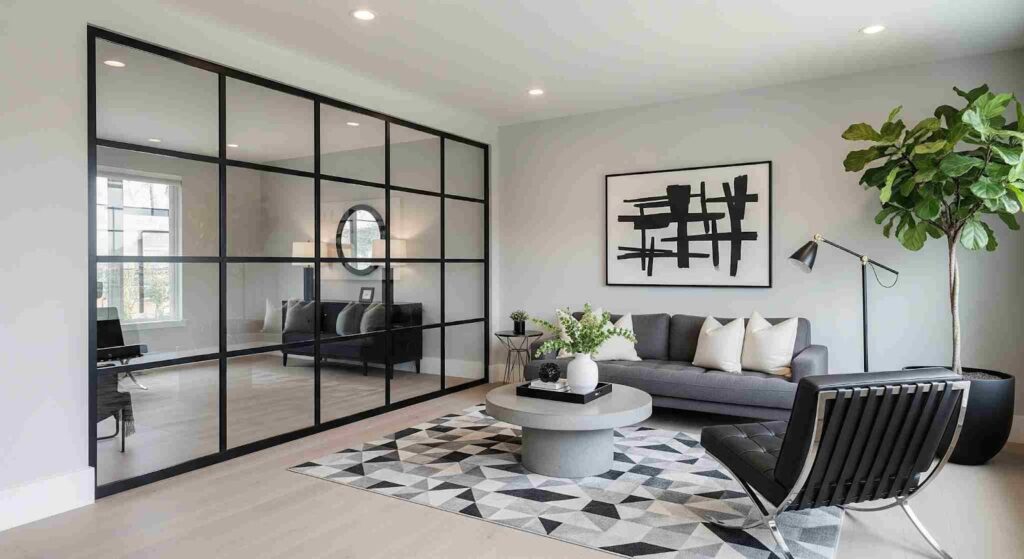
A thin-mullion grid is a strong visual for modern stores and offices. It also pairs well with wood and concrete finishes.
Idea 3: Soft curves at corners
Curved glass helps guide foot traffic in malls and makes tight corners feel smoother.
Idea 4: Half-height glass with a solid base
Perfect when cables, counters, or storage need to run below the glass line.
Idea 5: Meeting room with a top-track slider
A partition glass door on a top track looks sleek and avoids floor grooves that collect dust.
Idea 6: Frosted band at seated eye level
A frosted glass partition stripe protects privacy in meeting rooms without blocking natural light.
Idea 7: Full frosting for HR and finance rooms
This works well for confidential conversations while still keeping a modern, bright look.
Idea 8: Switchable privacy glass for executive zones
One tap can turn clear panels opaque Microsoft Dynamics 365 experts. It’s popular for boardrooms and premium client rooms.
Idea 9: Acoustic-rated panels with perimeter seals
Sound control usually comes from the “system,” not just the glass. Seals, door sweeps, and tight joints do the heavy lifting.
Idea 10: Double-glazed partitions for quieter rooms
A double layer boosts acoustic performance and feels high-end in executive suites.
Idea 11: Reception backdrop with logo frosting
A Glass Partition behind reception can carry branding without heavy walls or extra signage.
Idea 12: Store-in-store zones for retail
A Glass Partition can separate categories (electronics, cosmetics, premium items) while keeping shoppers moving naturally.
Idea 13: Cafe divider with easy-clean film
High-touch areas show smudges. Protective film makes cleaning faster in food courts and cafes.
Idea 14: Home office nook in a living room
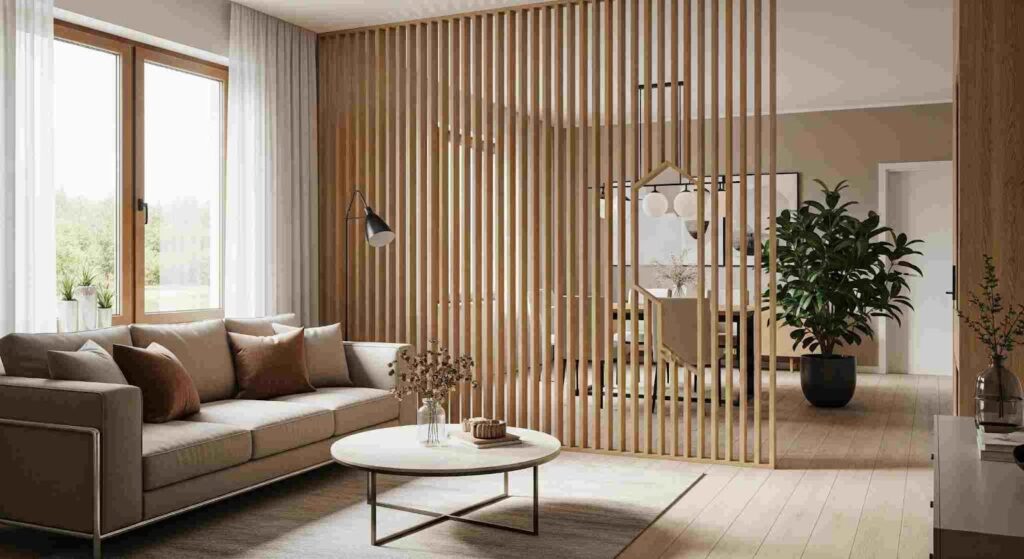
A glass room divider creates a work boundary without making the room feel smaller.
Idea 15: Kitchen separation for smell control
An interior glass wall blocks cooking odors and splashes while keeping sightlines open.
Idea 16: Stair and hallway safety barrier
Glass improves safety and keeps homes bright, especially in narrow corridors.
Idea 17: Bathroom dry-zone divider
A Glass Partition between wet and dry zones delivers a neat, hotel-style layout.
Idea 18: Fitness corner or yoga studio
Clear panels keep the space open and help smaller rooms feel more motivating.
Idea 19: Warehouse visibility office
An office glass partition keeps supervisors connected to operations while reducing noise and dust.
Idea 20: Training room with movable panels
Track systems allow a room to open for events and close for daily use.
Idea 21: Borrowed-light corridor panels
A Glass Partition along interior corridors brightens darker areas without adding new windows.
4) Cost and value: what impacts pricing
The price depends on the full system, not just glass.
Main cost drivers:
· Glass thickness and safety specification (tempered vs laminated)
· Height and length of the run
· Hardware quality (rollers, hinges, locks, handles)
· Door type and count (sliding systems cost more than fixed panels)
· Site conditions (uneven floors, weak walls, hidden services)
· Added features (films, frosting, switchable glass, acoustic upgrades)
Value tip for decision-makers
If the goal is a premium look, clients often get better value by choosing cleaner hardware and better installation over “extra thick glass everywhere.” A well-installed Glass Partition stays quiet, aligns correctly, and avoids the common problems people complain about: rattles, rubbing doors, and visible gaps.
5) Buyer checklist: choosing the right solution
To avoid rework, buyers should match the design to the real use case.
· Privacy: clear, banded, patterned, or full frosting
· Noise: standard vs acoustic upgrades (seals, double glazing, door sweeps)
· Traffic level: malls need durable fittings and stable frames
· Safety: tempered or laminated glass based on risk and code
· Layout: straight runs, corners, curves, or modular panels
· Access: sliding vs swing vs double doors
· Branding: films, frosting, or subtle patterns
For many projects, a glass partition wall works best when it is planned with furniture placement in mind. The smartest layouts ensure meeting tables, screens, and sightlines stay comfortable.
6) Practical installation tips that prevent costly mistakes
Most failures come from rushed surveys. Accurate measurements and level checks matter. Door clearances should be planned early, especially in busy corridors.
For sound control, doors are usually the weak point. Better seals and correct thresholds often outperform “thicker glass only” decisions. If confidentiality is critical, buyers should ask how the installer will seal the perimeter and how the door will close (magnetic seals, drop seals, or brush seals).
7) Maintenance and cleaning (simple routine)
A quick routine keeps glass looking premium:
· Use a microfiber cloth and non-abrasive cleaner
· Clean from top to bottom to avoid streaks
· Wipe metal hardware separately to protect finishes
· In high-traffic areas, check rollers and hinges weekly
With proper care, a Glass Partition stays clear and professional-looking for years, even in busy commercial spaces.
FAQs
1) Which is better: framed or frameless?
A framed glass partition is often better for heavy-use areas and long runs, while a frameless glass partition is best for a minimal, premium look.
2) Can privacy be added after installation?
Yes. Films, frosting bands, and patterns can usually be applied later without replacing the panels.
3) Do glass partitions reduce noise?
They can, especially with perimeter seals, proper door sweeps, and double glazing for meeting rooms.
4) What glass is safest for commercial spaces?
Tempered glass is common, and laminated glass is often chosen where extra impact safety is needed.
5) How long does the installation take?
It depends on layout and doors, but straightforward runs are faster than multi-room systems with sliders and acoustic detailing.