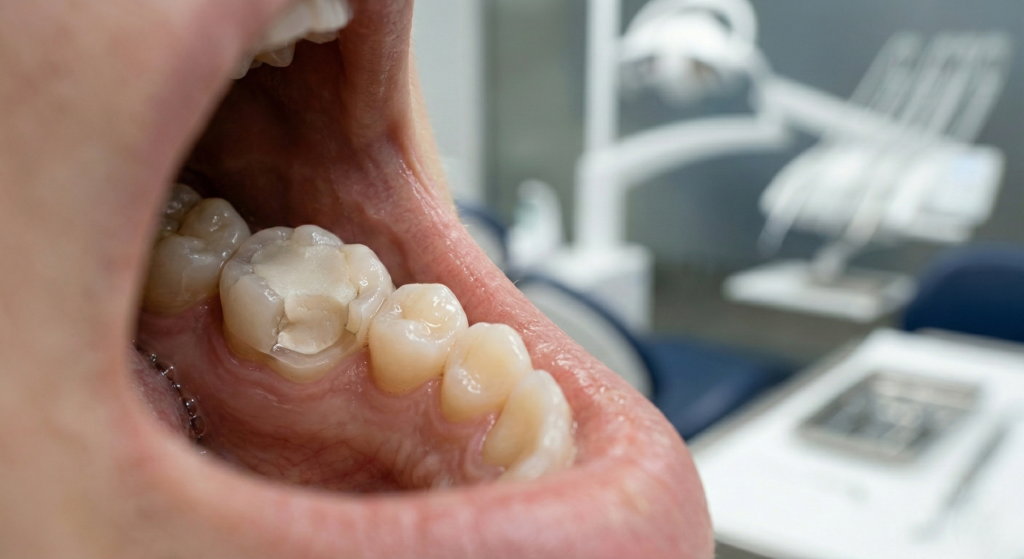

Dental problems can happen unexpectedly, leaving people searching for quick solutions until they can receive proper treatment. A temporary dental filling is often used as a short-term fix to protect a damaged tooth and reduce discomfort. It helps cover exposed areas, prevents bacteria from entering the tooth, and allows patients to function normally until a permanent restoration is placed.
A temporary dental filling is designed to last for a limited time, but many patients wonder whether it is safe enough for everyday activities like eating, brushing, and speaking. Understanding how it works, its benefits, limitations, and proper care methods can help patients avoid complications and maintain good oral health.
What Is a Temporary Dental Filling?
A temporary dental filling is a short-term material placed inside a tooth to protect it until a permanent filling, crown, or other restoration can be completed. Dentists typically use soft materials that can be applied quickly and removed easily when the patient returns for the final procedure.
These fillings are commonly made from materials such as zinc oxide, glass ionomer, or reinforced dental compounds. While they are not as durable as permanent fillings, they serve an important protective role.
Why Dentists Use Temporary Fillings
Temporary fillings are often recommended when treatment cannot be completed in one visit. Some common situations include:
- Protecting a tooth between root canal appointments
- Covering a cavity until a custom crown is ready
- Sealing a tooth after emergency dental care
- Allowing medication inside the tooth to work
- Stabilizing a cracked or damaged tooth
Because they act as a barrier, temporary fillings help prevent further decay and sensitivity.
Is a Temporary Dental Filling Safe for Daily Use?
Yes, a temporary dental filling is generally safe for normal daily activities when patients follow their dentist’s instructions. It is designed to handle light chewing and routine oral hygiene, but it should not be treated like a permanent restoration.
Most people can continue their daily routines without major adjustments. However, extra care is necessary because temporary materials are more fragile.
What Makes It Safe?
Temporary fillings are considered safe because they:
- Shield sensitive nerves from temperature changes
- Reduce the risk of infection
- Help maintain tooth structure
- Allow comfortable chewing on softer foods
- Provide short-term stability
When properly maintained, they can function effectively until the permanent treatment is completed.
Important Safety Note
Although safe, temporary fillings are not meant to last forever. Delaying follow-up treatment can lead to complications such as fractures, infection, or worsening decay.
How Long Can a Temporary Dental Filling Last?
The lifespan of a temporary filling varies depending on the material used and the patient’s habits.
On average, most temporary fillings last anywhere from a few weeks to a few months. However, dentists usually recommend replacing them as soon as possible.
Factors That Affect Longevity
Several factors determine how long a temporary filling remains intact:
- Eating hard or sticky foods
- Teeth grinding or clenching
- Poor oral hygiene
- Large cavity size
- Filling location in the mouth
Molars, for example, endure more chewing pressure and may cause the filling to wear down faster.
Benefits of Using a Temporary Dental Filling
Temporary fillings play a crucial role in preventive dental care. Even though they are short-term solutions, they offer multiple advantages.
Immediate Protection
Once placed, the filling covers exposed dentin and nerves, reducing pain and sensitivity almost instantly.
Prevents Further Damage
Without protection, bacteria can enter the tooth and worsen decay. A temporary filling acts as a seal against harmful particles.
Keeps the Tooth Functional
Patients can continue speaking and eating with minimal discomfort, which supports normal daily life.
Allows Time for Custom Treatment
Procedures like crowns require laboratory work. Temporary fillings protect the tooth while waiting for the final restoration.
Limitations Patients Should Understand
While helpful, temporary fillings come with certain restrictions.
Not as Strong as Permanent Fillings
Temporary materials are softer and more prone to wear. Heavy chewing can cause them to crack or fall out.
Short-Term Solution Only
They are not designed to replace permanent dental work. Skipping the follow-up visit increases the risk of serious dental problems.
Possible Sensitivity
Some patients may still experience mild sensitivity to hot or cold foods.
Understanding these limitations encourages better care and prevents avoidable damage.
Can You Eat Normally With a Temporary Filling?
Eating is usually safe, but dietary adjustments help extend the life of the filling.
Foods to Avoid
Patients are often advised to stay away from:
- Sticky candy
- Chewing gum
- Hard nuts
- Ice
- Tough meats
These foods can pull the filling loose or cause fractures.
Safer Food Choices
Soft foods are less likely to damage the restoration, such as:
- Yogurt
- Scrambled eggs
- Mashed potatoes
- Soup
- Oatmeal
- Soft fruits
Chewing on the opposite side of the mouth also reduces pressure on the treated tooth.
How to Care for a Temporary Dental Filling
Proper care is essential for keeping the filling intact until the permanent procedure.
Maintain Gentle Oral Hygiene
Brush twice daily using a soft-bristled toothbrush. Aggressive brushing can weaken the edges of the filling.
Floss Carefully
Instead of pulling floss upward, slide it out sideways to avoid dislodging the material.
Avoid Teeth Grinding
If grinding is a concern, a dentist may recommend a nightguard to protect the filling.
Follow All Dental Instructions
Every case is unique, so patients should follow personalized guidance from their dental professional.
Signs a Temporary Filling May Be Failing
Recognizing early warning signs helps prevent bigger problems.
Common Indicators
- Sudden tooth sensitivity
- Sharp pain when biting
- A rough or uneven surface
- Visible cracks
- Part of the filling missing
If any of these occur, contacting a dentist promptly is important.
What Happens If a Temporary Filling Falls Out?
Losing a filling can expose the tooth to bacteria and irritation, but quick action can minimize risks.
Immediate Steps to Take
- Keep the area clean
- Avoid chewing on that side
- Use dental wax or temporary repair kits if recommended
- Schedule a dental appointment as soon as possible
Ignoring the issue may lead to infection or further decay.
Are Temporary Fillings Safe for Children?
Temporary fillings are commonly used in pediatric dentistry and are considered safe when monitored properly.
Children may need them after cavity removal or emergency treatment. Since kids often eat sugary or sticky foods, parental supervision is important to ensure the filling stays intact.
Encouraging gentle brushing habits and balanced nutrition can make a significant difference.
Temporary vs. Permanent Fillings: Understanding the Difference
Knowing how temporary and permanent fillings compare helps patients appreciate why follow-up care is necessary.
Durability
Permanent fillings are built to withstand years of chewing pressure, while temporary ones are designed for short-term use.
Materials
Permanent restorations often use composite resin, ceramic, or amalgam, which are stronger and more resistant to wear.
Function
Temporary fillings protect; permanent fillings restore full strength and function.
Can a Temporary Filling Stop Tooth Pain?
Many patients experience noticeable relief after receiving a temporary filling.
Pain usually occurs when nerves are exposed due to decay or damage. By sealing the area, the filling reduces stimulation from food, air, and temperature changes.
However, if pain continues or worsens, it may indicate deeper issues requiring immediate evaluation.
Is It Safe to Brush and Floss Normally?
Oral hygiene should never stop because of a temporary filling. In fact, keeping the mouth clean supports healing and prevents further decay.
Brushing Tips
- Use gentle pressure
- Choose fluoride toothpaste
- Avoid electric brushes if advised
Flossing Tips
Careful flossing helps remove trapped particles without disturbing the filling.
Good hygiene lowers the risk of infection while waiting for permanent treatment.
Common Myths About Temporary Dental Fillings
Misinformation can cause unnecessary anxiety. Addressing common myths helps patients make informed decisions.
Myth: Temporary Means Unreliable
Temporary fillings are dependable when used as intended and maintained properly.
Myth: You Can Skip the Permanent Filling
Delaying treatment can lead to severe damage, including tooth loss.
Myth: They Cannot Handle Any Chewing
They can tolerate light chewing, but caution is necessary.
Who Is an Ideal Candidate for a Temporary Filling?
Temporary fillings are suitable for many dental situations, including:
- Patients undergoing multi-step procedures
- Individuals needing urgent care
- Those waiting for custom restorations
- People with deep cavities requiring medication
A dental professional determines the best approach based on the patient’s condition.
Risks of Keeping a Temporary Filling Too Long
Extending the use of a temporary filling beyond the recommended timeframe can create complications.
Potential Problems
- Bacterial leakage
- Tooth fractures
- Increased sensitivity
- Infection
- Gum irritation
Scheduling the permanent restoration on time is one of the most effective ways to protect oral health.
Tips to Make a Temporary Filling Last Longer
Small habits can significantly extend the lifespan of the filling.
Practice Smart Eating
Choose softer foods and chew slowly.
Protect the Tooth
Avoid using the treated tooth to open packages or bite hard objects.
Stay Hydrated
Saliva helps wash away bacteria and supports oral health.
Attend Follow-Up Visits
Timely dental appointments ensure the tooth receives the final restoration before complications develop.
When Should Someone Call a Dentist Immediately?
Certain symptoms require urgent attention.
- Severe or persistent pain
- Swelling around the tooth
- Fever
- Bad taste that does not go away
- Complete filling loss
Prompt care prevents minor concerns from becoming major dental emergencies.
Emotional Comfort and Peace of Mind
Dental procedures can feel stressful, especially when treatment is not finished in one visit. Temporary fillings provide reassurance by stabilizing the tooth and reducing discomfort.
Knowing the tooth is protected allows patients to focus on daily responsibilities without constant worry.
The Role of Professional Guidance
Every dental situation is unique. While general advice is helpful, professional recommendations always take priority.
Dentists evaluate factors such as cavity size, tooth location, and oral health history before choosing the right material and timeline.
Patients who communicate openly about discomfort or concerns often experience smoother treatment outcomes.
Conclusion
A temporary dental filling is widely regarded as a safe and effective short-term solution for protecting a damaged tooth during ongoing treatment. It allows patients to eat, speak, and maintain daily routines with minimal disruption while preventing bacteria from causing further harm. Although durable enough for limited use, it should never be viewed as a permanent fix.
Consistent oral hygiene, mindful eating habits, and timely follow-up appointments greatly reduce the risk of complications. When properly cared for, a temporary filling serves its purpose well until a stronger, long-lasting restoration is placed.
For patients seeking reliable guidance and comprehensive dental care, the professionals at Pinnacle Dentistry emphasize timely treatment and personalized attention to ensure lasting oral health.
Here, you can find more articles.