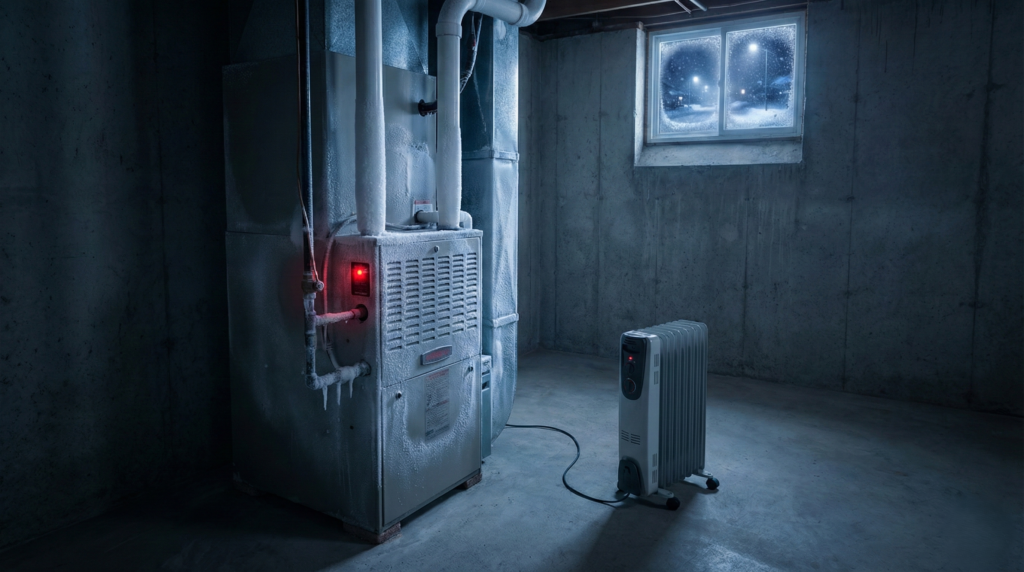

A heating system is one of the most important parts of a comfortable home, especially during the colder months when indoor warmth is essential for safety and well-being. Many homeowners rely on their heating equipment daily without thinking much about it, until something suddenly goes wrong. Recognizing early warning signs can prevent costly damage and protect both the home and the people living in it.
Emergency Heating Repair becomes necessary when a heating system stops working unexpectedly, creates safety risks, or fails to keep the home at a safe temperature. Knowing when to act quickly can make the difference between a minor repair and a serious emergency.
Why Understanding Heating Emergencies Matters
Heating problems rarely happen at a convenient time. Systems often fail during the coldest nights when they are under the most stress. When a furnace or heat pump stops working, indoor temperatures can drop quickly, leading to discomfort and even health risks for children, older adults, and pets.
Understanding what qualifies as a real heating emergency helps homeowners respond faster and avoid panic. It also prevents delays that could cause frozen pipes, structural damage, or unsafe living conditions.
A heating emergency usually involves one or more of the following:
- Complete loss of heat
- Strange smells or possible gas leaks
- Loud or unusual noises
- Electrical issues
- Carbon monoxide risks
- Rapid temperature drops indoors
When these situations occur, waiting is rarely a good idea.
What Is Considered Emergency Heating Repair?
Immediate Threats to Safety
A heating issue becomes an emergency when it threatens the safety of the household. For example, if a furnace produces a burning smell, sparks, or signs of overheating, the system should be turned off immediately.
Gas-powered systems require special attention because leaks can lead to dangerous exposure or even explosions. If anyone notices the smell of rotten eggs, leaves the house, and calls for professional help right away.
Carbon monoxide is another major concern. This odorless gas cannot be detected without alarms, which is why every home should have working carbon monoxide detectors installed near sleeping areas.
Complete Heating Failure in Cold Weather
When outdoor temperatures are very low, losing heat is not just uncomfortable, it can be dangerous. Indoor temperatures can fall below safe levels within hours.
Homes with infants, elderly residents, or individuals with medical conditions are especially vulnerable. In these cases, calling for immediate repair is the safest decision.
Electrical or Mechanical Malfunctions
If the heating system repeatedly trips the breaker, refuses to turn on, or cycles on and off too often, it could signal a serious electrical or mechanical problem.
Ignoring these signs may cause permanent damage to the system or increase fire risks.
Common Signs You Need Emergency Heating Repair
Sudden Lack of Warm Air
If the system is running but no warm air is coming from the vents, something is clearly wrong. This could point to a failed heating element, blower motor issues, or thermostat problems.
While some airflow issues are minor, a total loss of heat during cold weather should always be treated as urgent.
Strange Smells Coming From the System
Heating systems should not produce strong odors once they have been running for a few minutes.
Pay attention to these warning smells:
- Burning plastic or rubber
- Electrical or metallic odors
- Musty smells indicating mold
- Rotten egg odor suggesting a gas leak
Any persistent smell deserves immediate attention.
Unusual Noises That Should Not Be Ignored
Heating systems typically make low, steady sounds. Loud banging, screeching, rattling, or grinding noises often signal internal damage.
These sounds may mean that parts are loose, worn out, or close to breaking completely. Turning off the system and calling a professional can prevent further damage.
Rapid Increase in Energy Bills
A sudden spike in heating costs without a change in usage may indicate the system is struggling to operate efficiently.
Overworking equipment can fail without warning, making early repair the smarter choice.
Situations That Require Immediate Action
Frozen or Burst Pipes
When heat disappears during winter, pipes can freeze quickly. Frozen water expands and can cause pipes to burst, leading to flooding and expensive repairs.
Calling for emergency service helps restore warmth before plumbing damage occurs.
Carbon Monoxide Alarm Activation
If a carbon monoxide detector goes off, everyone should leave the home immediately and call emergency services or a heating professional.
Never re-enter the house until it has been declared safe.
Pilot Light Problems
A pilot light that frequently goes out may signal ventilation issues or gas supply problems. A yellow flame instead of blue can also indicate incomplete combustion.
These are not problems to delay.
Why Delaying Repairs Can Make Things Worse
Some homeowners hope heating problems will resolve on their own. Unfortunately, heating systems rarely fix themselves.
Waiting too long can lead to:
- Higher repair costs
- Complete system failure
- Reduced equipment lifespan
- Safety hazards
- Greater energy consumption
Addressing issues early often saves money and stress.
How Heating Systems Typically Fail
Wear and Tear Over Time
Every heating system experiences natural wear. Motors, belts, and electrical connections slowly degrade with use.
Older systems are more likely to fail during heavy demand because components are already under strain.
Lack of Routine Maintenance
Skipping annual tune-ups is one of the biggest reasons heating emergencies occur.
Maintenance helps professionals catch small issues before they turn into urgent problems.
Dirty Filters and Restricted Airflow
Clogged filters force the system to work harder than necessary. Over time, this strain can cause overheating or shutdown.
Replacing filters regularly is one of the easiest ways to prevent emergencies.
The Role of Weather in Heating Emergencies
Extreme cold pushes heating equipment to its limits. When temperatures drop suddenly, systems must run longer cycles to maintain comfort.
This constant operation increases the risk of breakdowns, especially for units that have not been serviced recently.
Storms can also create electrical outages or damage outdoor components, leading to unexpected heating loss.
Should You Repair or Replace the System?
When Repair Makes Sense
Repair is often the right choice when:
- The system is relatively new
- The issue is minor
- Repair costs are reasonable
- The unit has been well maintained
A quick fix can restore comfort without a major investment.
When Replacement May Be Smarter
Sometimes replacement is more practical, particularly if:
- The system is over 12–15 years old
- Repairs are frequent
- Energy bills continue rising
- The unit cannot heat the home evenly
Modern systems are far more energy-efficient and reliable.
What to Do Before Calling for Emergency Service
Check the Thermostat
Ensure it is set to heat mode and the temperature is higher than the current room reading.
Sometimes the solution is surprisingly simple.
Inspect the Circuit Breaker
A tripped breaker can shut down the system entirely. Reset it once, but if it trips again, call a professional.
Replace the Air Filter
If airflow seems weak, a dirty filter may be the cause.
However, if the system still fails afterward, it is time for expert help.
How Professionals Handle Emergency Heating Repair
Trained technicians follow a structured process to restore heat safely and efficiently.
Typical steps include:
- Inspecting the system
- Identifying the root cause
- Testing electrical connections
- Checking airflow
- Examining safety controls
- Performing necessary repairs
Their goal is not just to fix the problem but to ensure it does not return soon.
Benefits of Calling Early
Fast action offers several advantages:
- Prevents further damage
- Protects indoor comfort
- Reduces stress
- Keeps repair costs manageable
- Extends equipment life
Most importantly, it keeps households safe during cold conditions.
Preventing Future Heating Emergencies
Schedule Annual Maintenance
Professional inspections prepare the system for heavy seasonal use.
Technicians clean components, test performance, and identify worn parts before they fail.
Upgrade Older Equipment
Newer heating units operate more efficiently and often include advanced safety features.
Though replacement requires an upfront investment, it can lower long-term costs.
Improve Home Insulation
Good insulation keeps warm air inside, reducing strain on the heating system.
Sealing drafts around windows and doors also helps maintain steady temperatures.
Install Smart Thermostats
Smart thermostats optimize heating schedules and alert homeowners to unusual performance patterns.
Early alerts can prevent emergencies.
The Importance of Choosing Reliable Technicians
Not all repair services offer the same level of expertise. Working with experienced professionals ensures accurate diagnosis and lasting solutions.
Look for technicians who are licensed, trained, and responsive, especially during after-hours emergencies.
Reliable service providers prioritize safety and clear communication.
How Emergency Repairs Protect Home Value
Heating systems play a major role in property value. A well-maintained system signals responsible ownership, while repeated breakdowns may raise concerns for future buyers.
Prompt repairs help preserve the home’s condition and prevent avoidable damage.
Cost Factors in Emergency Heating Repair
Repair costs vary depending on several factors:
- Type of heating system
- Severity of the issue
- Replacement parts required
- Time of service
- System age
While emergency visits may cost more than scheduled appointments, delaying repairs often leads to higher expenses later.
Peace of Mind During Winter
Few things are more stressful than losing heat on a cold night. Knowing when to call for help allows homeowners to act confidently instead of reacting in panic.
Preparation, awareness, and timely decisions make winter far more manageable.
Conclusion
Knowing when to call for professional help can prevent discomfort, protect property, and support household safety. Heating problems rarely improve without attention, and early action often stops small issues from becoming serious emergencies. Homeowners who stay alert to warning signs and prioritize maintenance are far less likely to face sudden system failures.
When urgent situations arise, relying on experienced professionals ensures the heating system is restored quickly and safely. Dr Kool Air Conditioning is committed to delivering dependable solutions when they matter most, helping homeowners maintain warmth, comfort, and peace of mind throughout the cold season.
Here, you can find more articles.