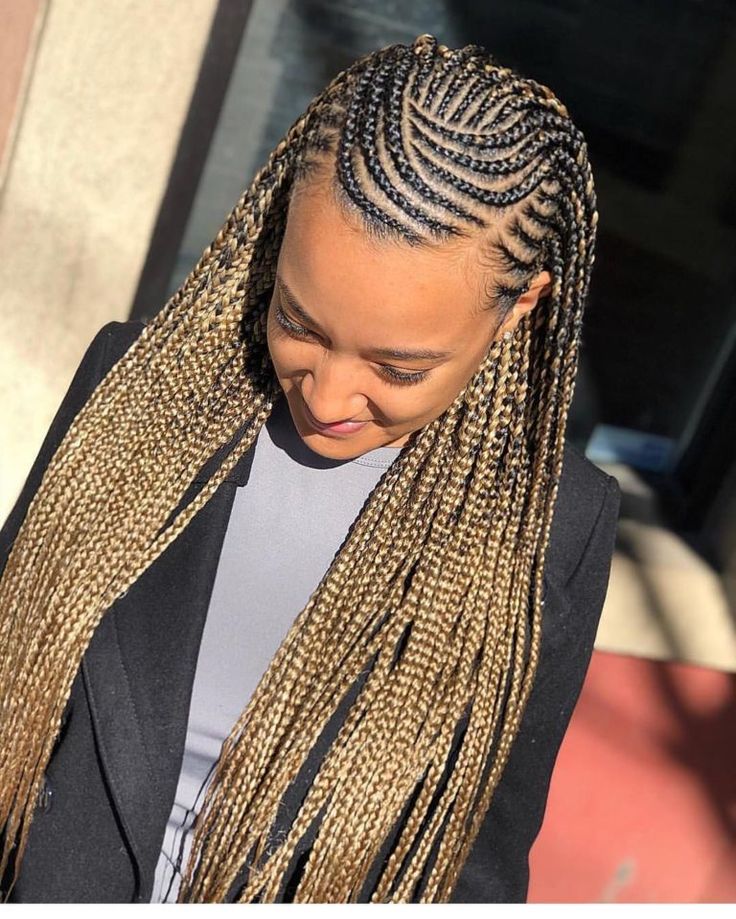

Hair braiding is one of the oldest and most versatile hairstyling traditions in the world, combining beauty, culture, and practicality. From intricate cornrows to bold box braids, braided hairstyles have evolved across generations and continents while remaining deeply rooted in African heritage. Today, braiding is both a cultural expression and a modern fashion statement, especially in vibrant beauty communities like african hair braiding fort worth, where traditional techniques meet contemporary trends. Whether worn for protection, convenience, or personal style, hair braids continue to stand the test of time.
This guide explores the most popular types of hair braiding, their origins, styling methods, and why they remain a go-to choice for people of all ages and hair textures.
1. Cornrows
Cornrows are one of the most recognizable and historically significant braiding styles. This technique involves braiding the hair very close to the scalp in straight lines or intricate patterns.
Key Features:
- Hair is braided flat against the scalp
- Can be styled in straight rows, curves, or geometric designs
- Long-lasting and low maintenance
Cultural Significance:
Cornrows originated in Africa and were traditionally used to signify age, tribe, marital status, and wealth. Enslaved Africans later used cornrows as a means of cultural preservation.
Modern Appeal:
Today, cornrows are worn by people of all genders and can be styled simply or artistically. They are especially popular for athletes and busy individuals because of their durability and neat appearance.
Visit-https://bloggingarena.com/
2. Box Braids
Box braids are individual plaits divided into small square or rectangular sections, giving the style its name. This is one of the most popular protective hairstyles worldwide.
Key Features:
- Individual braids with clean parting
- Can be done with natural hair or extensions
- Lightweight and versatile
Benefits:
Box braids protect natural hair from daily manipulation, reduce breakage, and promote length retention. They can be worn in buns, ponytails, or left flowing.
Style Variations:
- Small box braids
- Medium or jumbo box braids
- Knotless box braids
3. Knotless Braids
Knotless braids are a modern take on traditional box braids, designed to reduce tension and create a more natural look.
Key Features:
- No bulky knot at the root
- Braids start with natural hair and gradually feed in extensions
- Lightweight and scalp-friendly
Why They’re Popular:
Knotless braids are more comfortable than traditional box braids and put less stress on the scalp, making them ideal for people with sensitive skin or fine hair.
4. Senegalese Twists
Senegalese twists are created using two strands instead of three, resulting in a smooth, rope-like appearance.
Key Features:
- Typically done with synthetic hair
- Sleek and shiny finish
- Lightweight and elegant
Best For:
People who prefer a softer, more polished look. Senegalese twists are often chosen for professional or formal settings.
5. Ghana Braids (Feed-In Braids)
Ghana braids, also known as feed-in braids, are a variation of cornrows where hair extensions are gradually added for a natural transition.
Key Features:
- Thicker than traditional cornrows
- Smooth, natural hairline
- Highly customizable
Style Options:
- Straight-back Ghana braids
- Side-swept designs
- Braided buns and ponytails
These braids are ideal for those who want a bold yet clean appearance.
6. Fulani Braids
Fulani braids are inspired by the Fulani people of West Africa and are known for their unique patterns and decorative elements.
Key Features:
- Cornrows braided from the center outward
- One or two braids left loose in the front
- Often adorned with beads, cuffs, or shells
Cultural Roots:
This style traditionally symbolized beauty, wealth, and social standing. Today, it blends tradition with modern flair.
7. Micro Braids
Micro braids are extremely small, individual braids that offer maximum styling flexibility.
Key Features:
- Very thin and delicate
- Can be styled like loose hair
- Time-intensive installation
Pros and Cons:
While micro braids are beautiful and versatile, they require proper care to prevent tangling and breakage due to their small size.
8. Crochet Braids
Crochet braids involve cornrowing the natural hair and attaching extensions using a crochet hook.
Key Features:
- Faster installation time
- Less tension on the scalp
- Works well with curly, wavy, or braided extensions
Why People Love Them:
Crochet braids offer the appearance of individual braids or twists without the long installation process.
9. Tribal Braids
Tribal braids are a bold and artistic style rooted in African culture and identity.
Key Features:
- Combination of cornrows and individual braids
- Often accessorized with beads and rings
- Unique patterns and designs
Expression Through Style:
Tribal braids allow for creativity and personalization, making each hairstyle a unique work of art.
10. Lemonade Braids
Popularized by celebrities, lemonade braids are side-swept cornrows that create a sleek and edgy look.
Key Features:
- Braided to one side
- Clean, symmetrical parts
- Stylish and modern
Ideal For:
Those looking for a trendy, statement hairstyle that still offers protection and ease of maintenance.
11. Halo Braids
Halo braids form a crown-like braid around the head, giving a soft and elegant appearance.
Key Features:
- Braided in a circular pattern
- Can be simple or intricate
- Ideal for special occasions
Styling Tip:
This style works well for weddings, formal events, or photoshoots.
12. Fishbone Braids
Fishbone braids are an artistic variation of cornrows, woven in a herringbone or zigzag pattern.
Key Features:
- Complex and eye-catching design
- Requires skilled technique
- Long-lasting when properly maintained
Benefits of Hair Braiding
Hair braiding is more than just a fashion choice. It offers several practical and health benefits:
- Protects natural hair from environmental damage
- Reduces daily styling time
- Encourages hair growth by minimizing breakage
- Versatile styling options
- Cultural and personal expression
Hair Care Tips for Braided Styles
To keep braids looking fresh and your natural hair healthy:
- Moisturize your scalp regularly
- Avoid excessive tension during installation
- Wear a satin or silk bonnet at night
- Clean your scalp gently while braids are installed
- Do not keep braids in for too long
Conclusion
Hair braiding is a timeless art form that blends beauty, culture, and functionality. From classic cornrows to intricate tribal designs, each braiding style tells a story and serves a purpose. Whether chosen for protection, convenience, or self-expression, braided hairstyles continue to evolve while honoring their deep cultural roots. As braiding techniques grow in popularity across diverse communities, they remain a powerful symbol of identity, creativity, and heritage.