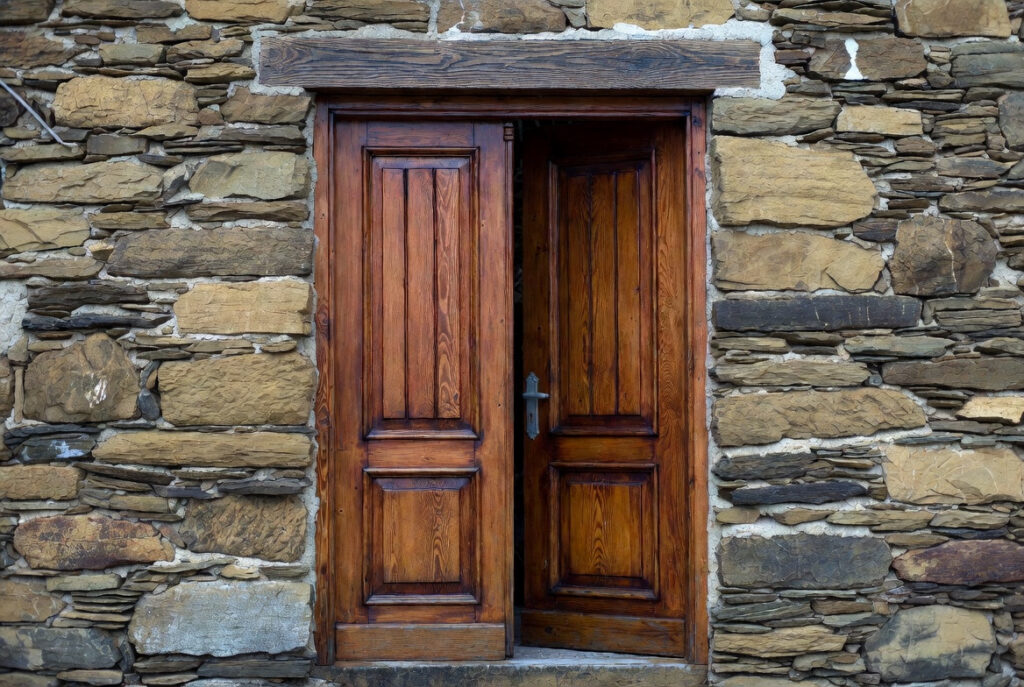

Hardwood outer doors are a popular choice for Australian homes thanks to their strength, security, and natural beauty. However, many homeowners ask the same question do hardwood outer doors stick in wet weather?
The short answer is yes, they can, but this doesn’t mean hardwood doors are a poor choice. Understanding why it happens and how to prevent it will help you enjoy long-lasting performance from your timber doors.
At Melbourne Timber Supplies, we work closely with builders and homeowners to ensure hardwood doors perform well in Melbourne’s changing climate. Here’s what you need to know.
Why Do Hardwood Outer Doors Stick in Wet Weather?
Hardwood is a natural material that responds to environmental changes. When humidity rises or heavy rain occurs, timber absorbs moisture from the air.
Key Reasons for Sticking:
- Moisture absorption: Timber expands as it absorbs moisture.
- High humidity levels: Melbourne’s wet seasons increase swelling risk.
- Inadequate sealing: Unsealed edges allow moisture penetration.
- Poor installation: Insufficient clearance around the door frame.
- Direct weather exposure: Rain and sun hitting the door unevenly.
This expansion can cause doors to rub against frames, making them harder to open or close.
How Much Movement Is Normal in Hardwood Doors?
All timber doors experience seasonal movement. Minor swelling during wet weather and slight shrinking during dry periods is normal and expected. High-quality hardwood doors are designed with this movement in mind, but issues arise when protection or installation is inadequate.
How to Prevent Hardwood Doors from Sticking?
1. Proper Sealing Is Essential
Every surface of a hardwood door front, back, top, bottom, and edges must be sealed. This creates a moisture barrier that slows water absorption power apps consulting services in sydney.
2. Choose Stable Hardwood Species
Dense, well-seasoned timbers such as Spotted Gum, Blackbutt, and Merbau offer better stability than softer woods.
3. Allow Correct Installation Clearances
Professional installers leave expansion gaps around the door to accommodate seasonal movement.
4. Use Protective Door Finishes
Exterior-grade oils, paints, or polyurethane finishes protect timber while allowing it to breathe.
5. Install Weather Protection
Porches, awnings, and door hoods reduce direct rain exposure and UV damage.
What to Do If Your Hardwood Door Is Already Sticking?
If your door is sticking during wet weather, avoid forcing it. Instead:
- Identify where the door is rubbing
- Lightly sand problem areas (once the timber dries)
- Re-seal exposed timber
- Check hinges and hardware for alignment
- Consult a timber specialist if the issue persists
Are Hardwood Doors Still Worth It?
Absolutely. When properly selected, sealed, and installed, hardwood outer doors provide:
- Long-term durability
- Excellent insulation
- High security
- Timeless natural aesthetics
Most sticking issues are preventable with correct preparation and maintenance.
Expert Advice from Melbourne Timber Supplies
At Melbourne Timber Supplies, we supply premium hardwood doors and timber products designed for Australian conditions. Our team can help you choose the right timber species, finishes, and installation approach to minimise movement and maximise performance.
Long-Term Care Tips for Hardwood Outer Doors
To ensure your hardwood outer door performs reliably through Melbourne’s wet winters and humid conditions, ongoing care is just as important as correct installation. A well-maintained hardwood door not only resists sticking but also retains its appearance and structural integrity for decades.
Start by regularly inspecting the door surface, especially along the bottom edge and hinge side. These areas are most exposed to moisture and often the first to show signs of swelling or finish breakdown. If you notice peeling, dullness, or exposed timber, resealing should be done promptly to prevent moisture absorption.
Ventilation also plays a key role. Ensuring proper airflow around entryways helps regulate humidity levels near the door. Internally, maintaining consistent indoor conditions using ventilation or climate control reduces drastic moisture fluctuations that can stress the timber.
Another often overlooked factor is hardware quality. Hinges, locks, and frames should be corrosion-resistant and correctly aligned. Misaligned hardware can exaggerate the effects of minor timber movement, making doors feel stiff or difficult to operate during wet weather.
Seasonal maintenance is highly recommended. Before the wetter months, check seals, recoat exposed areas, and clean the door thoroughly. Using manufacturer-recommended timber oils or exterior-grade finishes ensures compatibility with the timber species and local climate.
It’s also worth noting that minor seasonal movement is a sign of natural timber, not a defect. Unlike synthetic materials, hardwood adapts to its environment, which is part of its charm and strength. With the right care, this movement remains controlled and harmless.
At Melbourne Timber Supplies, we believe informed choices lead to better long-term results. By selecting high-quality hardwood, applying correct finishes, and committing to simple ongoing maintenance, homeowners can enjoy beautiful, smooth-operating hardwood outer doors rain or shine.
Frequently Asked Questions (FAQs)
1. Do all hardwood doors stick in wet weather?
No. Properly sealed and installed hardwood doors are far less likely to stick.
2. Why does my door only stick during rainy seasons?
Increased humidity causes timber to absorb moisture and expand.
3. Can sealing really prevent door swelling?
Yes. Full sealing significantly slows moisture absorption.
4. Which hardwood is best for external doors?
Dense timbers like Spotted Gum, Blackbutt, and Merbau perform very well.
5. How often should hardwood doors be resealed?
Typically every 1–2 years, depending on exposure and finish type.
6. Is sanding a sticking door a permanent fix?
Only if followed by resealing; otherwise, the issue may return.
7. Are engineered doors better than solid hardwood?
Engineered doors can offer better stability, but solid hardwood provides superior durability and appearance when maintained properly.
8. Can poor installation cause sticking?
Yes. Incorrect clearances or frame alignment are common causes.
9. Should I paint or oil an external hardwood door?
Both work if they’re exterior-grade; the choice depends on your desired look and maintenance preferences.
10. Where can I get expert advice on hardwood doors in Melbourne?
You can speak with the team at Melbourne Timber Supplies for professional guidance and quality timber products.