
Are you tired of watching precious water go to waste during heavy downpours? Do you often wonder if there’s a more efficient way to store and use rainwater at home or in your commercial property? If these questions sound familiar, you’re not alone. Many Australians are searching for smarter approaches to water management, especially as the cost of mains supply rises and drought concerns continue to grow.
In this post, we’ll explore how modular underground water storage tanks can dramatically change the way we collect, store, and use water. You’ll discover why water management efficiency is vital, learn about the unique benefits of these tanks, and find out how they’re installed and maintained. Plus, we’ll take a look at their long-term cost benefits, real-world applications, and what the future holds for this innovative method of sustainable water use.
By the end, you’ll see how modular underground tanks the straightforward, space-saving, and cost-effective solution might be you’ve been seeking. We’ll walk through every key point, from planning and council approvals in Australia to ensuring your tank performs at its best for years to come. Let’s get started.
Defining Modular Underground Tanks
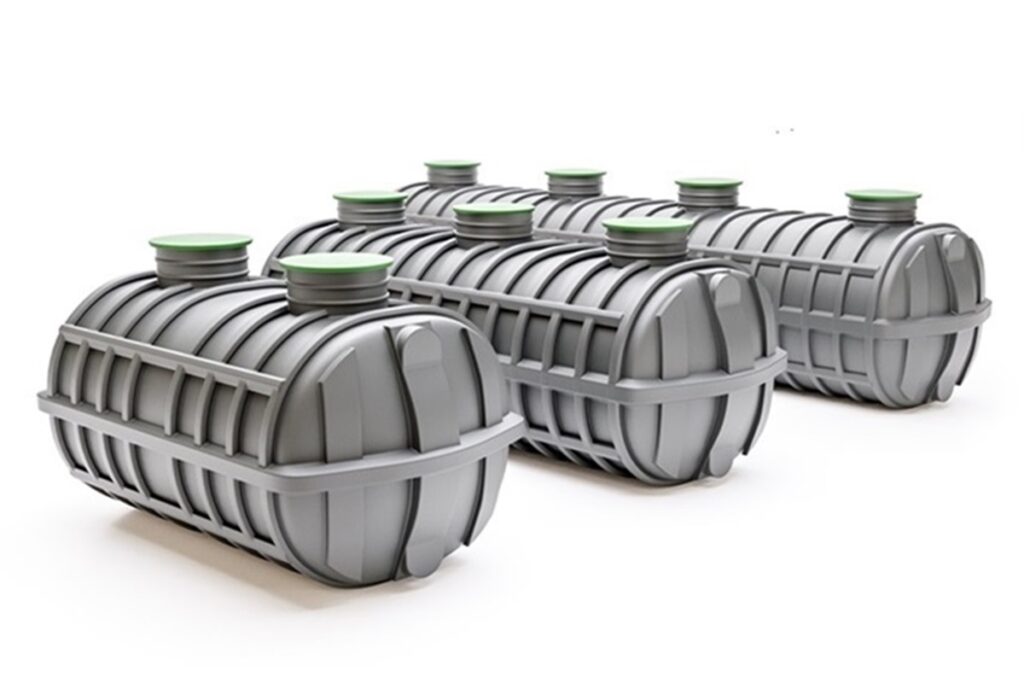
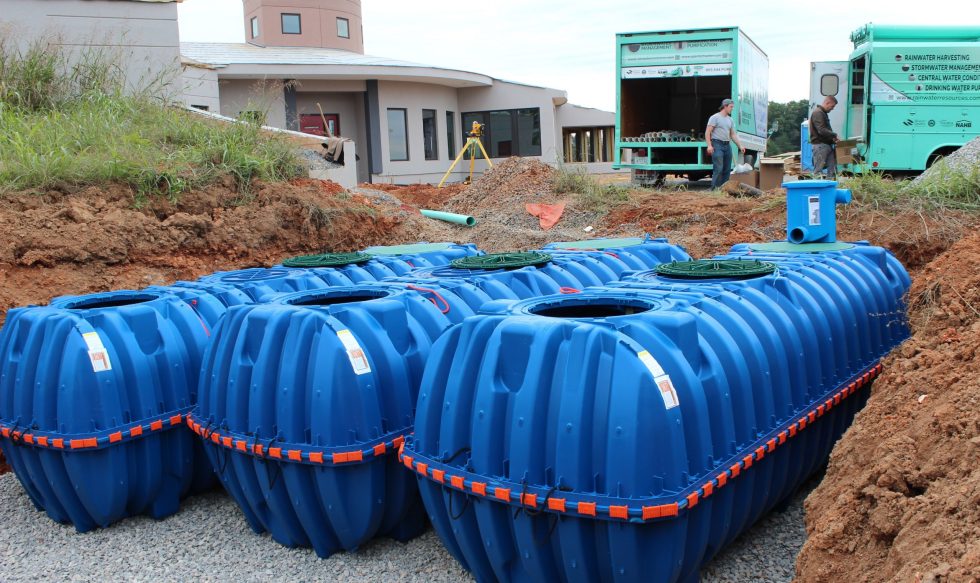
Modular underground tanks water storage tanks are essentially a series of interlocking, hollow structures designed to store rainwater and stormwater below ground level. Because these tanks can be stacked or arranged based on each property’s unique requirements, they offer a level of flexibility that traditional concrete or steel designs often lack. They’re typically built from high-strength plastic or modular blocks, which makes it easy to tailor the size.
Though primarily used for water collection, these tanks can be adapted to store other fluids if needed. The modular aspect refers to the sections that can be scaled up or down. This helps property owners make sure that their storage matches the local climate, expected rainfall, and specific usage intentions.
Key Components and Design Features
The key components of a modular underground tanks system often include:
- Interlocking Plastic Units or Blocks – Sturdy forms designed to hold large volumes of water.
- Geotextile Layers – Permeable fabrics that help separate the soil while preventing sediment intrusion.
- Liner Membrane – A watertight barrier that keeps water contained and free from external contaminants.
- Access Ports and Manholes – These allow for routine inspection and maintenance while safeguarding the underground reservoir.
- Inlets and Outlets – Strategically placed openings that direct collected rainwater in and control outflow when necessary.
Benefits of Modular Underground Water Storage Tanks
Space-Saving & Aesthetic Advantages
One of the biggest selling points of modular underground tanks is the minimal visual impact on your property. Instead of having a bulky tank sitting in your backyard or commercial lot, these systems remain hidden beneath the surface. As a result, you can maintain a beautiful landscape, add outdoor décor, or even keep extra parking space above, without sacrificing water storage capacity.
Plus, you’re no longer stuck with a singular cylindrical tank in a fixed spot. You can install modular components in multiple sections of your property, adapting to existing features like fence lines or flower beds. This ensures that your overall aesthetic remains clean and uncluttered, enhancing both property value and your everyday experience.
Enhanced Durability & Flexibility
Compared to some older water storage methods, modular underground systems are made of strong materials that can handle harsh weather, soil pressure, and even seasonal ground movements. Their resilience means you’ll likely encounter fewer maintenance headaches, saving both money and time over the long term.
Since these tanks are modular, you can design them in various shapes or sizes, adjusting the layout as your storage needs increase.
Energy and Cost Savings
Using stored water for certain tasks—like watering lawns or flushing toilets—lessens your reliance on municipal water systems, which often come with rising price tags. Additionally, if you have a pump installed, you can run it only when needed, rather than operating a bulky, continuous mechanism. This targeted approach can lower your energy consumption and reduce power bills.
Future of Water Management with Modular Underground Tanks
Innovations and Emerging Trends
Water technology is always changing, and modular underground tanks are evolving in exciting ways. Some systems now integrate smart sensors that monitor water levels, quality, and usage rates in real time. There’s also growing interest in combining these tanks with greywater recycling systems, further lowering dependence on central water supplies.
Potential Policy Changes and Incentives
Australian governments at both state and local levels recognise the role water storage plays in building resilient communities. As water scarcity and environmental impacts gain more attention, further incentives might become available. From expanded rebate programmes to stricter building codes, policy changes could make modular underground tanks an even more attractive option for new builds and retrofits alike.
Conclusion
Whether you’re managing a large commercial premises or simply caring for your own back garden, the importance of a reliable water supply cannot be overstated. Modular underground water storage tanks offer answers to many modern water challenges, from space-saving designs to powerful rainwater harvesting capabilities. By investing in this method, you’ll not only slash your water bills but also help the environment by lowering dependence on mains supply.
Ultimately, these systems are versatile and adaptable enough to fit into various property types, making them a welcome option for new and older developments alike. Thanks to ongoing innovations in technology and potential policy incentives, it’s likely we’ll see modular underground tanks turning into a widespread fixture in Australian communities. If you’ve been searching for a way to safeguard against drought, reduce water costs, and maintain a healthy landscape, this could be the perfect approach.
Feel free to reach out to local experts or installers to discover what kind of system would best suit your property. After all, taking a proactive step towards efficient water management today can leave you enjoying long-term benefits for years to come. It might just be the smartest move you make.
