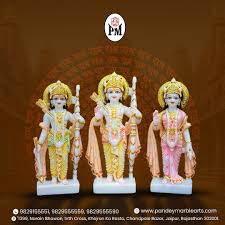

Placing a deity’s presence in our homes has deep meaning in Sanatan Dharma. When families consider setting up a home temple, one of the most common questions they ask is about the material of the idol. Wood and marble are the two preferred materials for Hindu god statues. Wood has an ancient feel, warm tones, and natural charm. Marble has a cool, luminous surface, a sense of purity, and a history that stretches back to some of India’s most sacred temples.
This choice matters to many because of how each material aligns with beliefs about sacred energy, longevity, care, and everyday use. A home temple is a place where rituals happen each morning or evening. Many families believe the right material for the deity’s form can make that connection stronger and more soothing.
In this guide, we will answer the common questions people have when deciding between wooden and marble idols.
What Makes an Idol Sacred in a Home Temple?
In traditions of worship, a murti is the focal point of prayer and devotion. Its presence encourages a calm mind, respect, and regular rituals. In Hindu worship, the murti represents divine energy that devotees connect to during puja and daily prayers.
For an idol to be suitable for worship, many traditions hold that it must be clean, dignified, and crafted with care. The material it is made from should be durable and pure. Once installed and consecrated with pran pratishtha, an idol is believed to carry spiritual life or energy in a home.
Most people want an idol that stays strong, remains beautiful with time, and helps create a peaceful, respectful space for family worship each day.
Are Wooden Idols Good for a Home Temple?
Wooden idols connect to the natural world in a very direct way. The grain of the wood, the warmth of its surface, and its earthy tones make these idols feel warm and familiar. Many artisans carve wood by hand, giving each piece a unique expression.
Wood carries a feeling of contact with living nature, and that makes it meaningful for many families. A wooden idol is a reminder of nature and life around us. The tones and texture can create gentle, grounding energy in a temple space.
However, wood needs careful maintenance. It can be sensitive to humidity, insects, and changes in weather. It can warp or crack over time unless it is properly sealed and cared for. That is why many people choose wood for seasonal worship items or smaller family temples where they plan regular care.
Why Do Many Families Prefer Marble Idols?
Marble has long been linked to sacred spaces in India. Some of the most historic temples and sculptures are carved in marble. Marble naturally radiates a sense of calm and purity in a room. Its surface reflects light gently, which helps create a quiet, thoughtful atmosphere for prayer.
One reason many families choose a Marble Idol for a home temple is that marble remains durable for generations. A marble statue survives years of daily rituals, cleaning, and offerings without losing its dignity. Marble is hard, but it can be carved with precision. This gives sculptors the ability to bring out delicate expressions, symbols, and sacred features with great detail.
Marble is also preferred because it is believed to have natural divine vibrations once it is consecrated. After pran pratistha, many worshippers feel that the marble continues to hold and radiate peace and positive energy in a temple space.
Are Marble Idols Thought to Be More Auspicious?
Many people believe that marble carries purity that other materials do not. In spiritual traditions, purity is a key aspect of worship. A pure material is thought to help the mind and heart settle into prayer more easily. Marble’s smooth, luminous surface symbolises clarity and calm.
Sacred texts and traditions emphasise that the material of an idol should be capable of maintaining spiritual vibrations without decaying or splitting. Marble fits these conditions well, and for that reason, it is often chosen over wood for permanent home temples.
What Are the Practical Differences Between Wood and Marble?
When choosing an idol, practical factors matter as much as tradition:
Care and Maintenance: Wood may need periodic polishing and protection from humidity. Marble is easier to clean and does not break down under normal conditions.
Longevity: Marble lasts far longer than wood. Wood can change with time and environment. Marble remains steady and does not warp.
Detail and Craftsmanship: While both mediums allow skilled carving, marble often captures finer details that remain clear over the years.
Vibrations and Energy: Many devotees feel marble radiates calm and positive energy in a temple space.
What Kinds of Marble Idols Are Common in Home Temples?
Marble idols come in many forms. You can find White Marble Murti that brings a serene look to any space. Makrana marble murti carved from high-quality stone, is considered especially pure and long-lasting.
Hand-Carved marble idol pieces often show intricate craftsmanship and artistic care. Many people choose polished marble murti for a smooth, clean surface that enhances the visual peace of a temple. Marble Pooja Idol forms are made to suit different deities, sizes, and spiritual needs.
Can Wooden Idols Be Auspicious Too?
Yes, wooden idols can be spiritually meaningful. Many traditional temples historically used wood when marble was not available. Certain deities are even traditionally depicted in wood in temples and festivals.
A wooden idol that is treated with respect, maintained well, and used in regular worship can be auspicious. Its energy can feel warm and connected to nature. But families should take care of it so it remains in good condition.
How Should Idols Be Placed in a Home Temple?
The way an idol is placed matters for spiritual harmony. Traditional guidelines recommend placing the idol facing east or north, with clean space around it. The idol should rest on a platform slightly above floor level, not directly on the floor.
Whether wood or marble, the idol should be kept clean and respected. Damaged or broken idols should not be worshipped, because they can distract from devotion and create negative impressions in the space.
Conclusion
Deciding between wood and marble for a home temple idol is a personal choice with spiritual and practical aspects. Wood provides warmth and a natural feel. Marble provides resilience, ease of care, and an enduring sense of sacred presence that many find calming and uplifting.
For families seeking lasting peace, purity, and devotion in everyday worship, marble often becomes the preferred choice.At Pandey Moorti Bhandar, we craft sacred idols, mandirs, and temple pieces with generations of experience. Our tradition in creating finely detailed marble works, including Marble Idols, Marble Murti, Marble Moorti, and Marble Statue pieces, reflects deep respect for devotion and spiritual heritage. We understand the meaning these idols carry into your home and into your rituals.