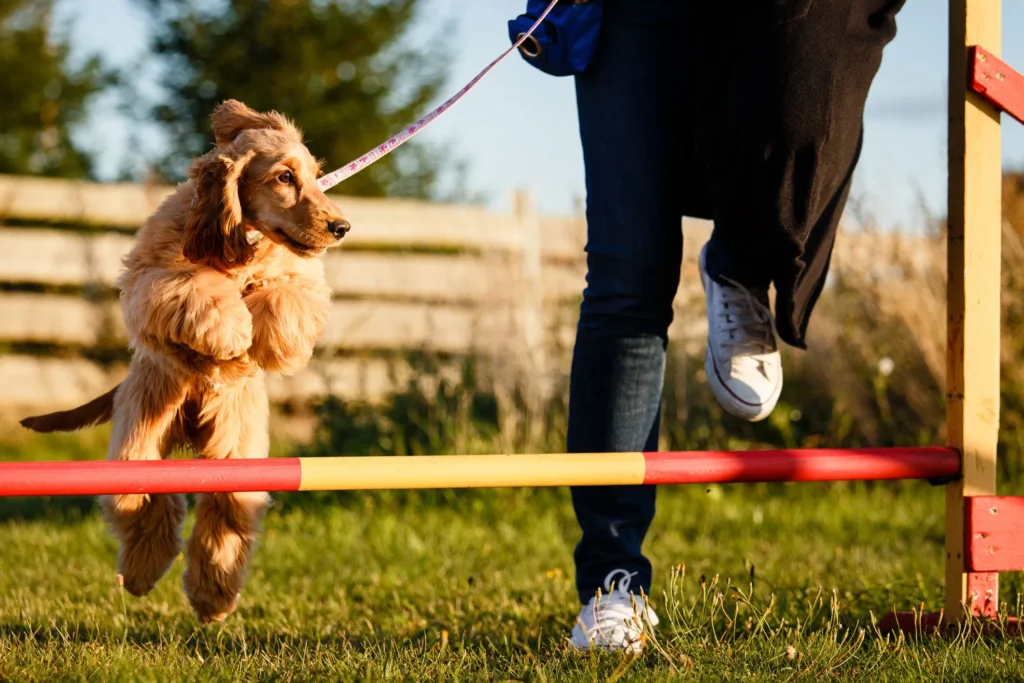

High-energy dogs are active, intelligent, and eager to engage with the world. While this makes them fun companions, it can also lead to challenges if their energy is not guided correctly. These dogs often struggle with focus, calm behavior, and impulse control. Generic training programs may not meet their needs. Private Training for Dogs offers a personalized approach that adjusts training sessions to fit each dog’s energy level, learning style, and daily routine.
Why High-Energy Breeds Need a Different Training Approach
High-energy breeds are designed to move, work, and think constantly. When training does not match their natural drive, they become restless or frustrated. Traditional training may feel too slow or repetitive for them. As a result, they lose interest or stop responding. Private training allows sessions to stay active, engaging, and structured. This keeps the dog motivated while still teaching control and discipline in a way they can understand.
Understanding High-Energy Dog Behavior
High-energy dogs react quickly to their surroundings. Sounds, movement, and excitement trigger fast responses. This behavior is often mistaken for stubbornness, but it is usually a lack of emotional regulation. These dogs need help learning how to slow down mentally. Private training helps identify triggers and teaches dogs how to pause and process situations. Over time, dogs learn to respond thoughtfully instead of reacting instantly.
What Makes Private Training for Dogs Effective
Private training provides one-on-one attention between the trainer, the dog, and the owner. There are no distractions from other dogs or people. This focused environment allows the trainer to adjust techniques immediately. High-energy dogs stay engaged because the session moves at their pace. Mistakes are corrected gently and clearly. This direct feedback leads to faster understanding and stronger progress.
Customizing Training Based on Energy Levels
Energy levels can change daily depending on sleep, activity, or environment. Private training allows sessions to be flexible. On high-energy days, trainers may include more movement-based exercises. On calmer days, sessions may focus on control and focus. This adaptability keeps training effective and balanced. Dogs feel understood instead of forced, which improves learning and cooperation.
Balancing Physical Activity With Mental Training
Physical exercise alone does not fully satisfy high-energy dogs. They also need mental challenges to stay balanced. Private training combines movement with thinking tasks. Dogs may practice commands during motion or solve simple problems. This combination helps release energy while improving focus. Mental work tires the brain, which naturally promotes calm behavior after training.
Teaching Calm Behavior Without Reducing Drive
Training does not mean removing a dog’s personality or excitement. Private training teaches dogs when to use their energy and when to relax. Dogs learn how to switch from play mode to calm mode. This control allows them to enjoy activities while behaving appropriately. The goal is balance, not suppression. High-energy dogs remain enthusiastic but become easier to manage.
Improving Focus and Attention
Focus is often the biggest challenge for energetic dogs. Private training builds attention gradually through short, clear exercises. Dogs are rewarded for small moments of focus. Distractions are added slowly as skills improve. Over time, dogs learn to stay engaged even in busy environments. This improved attention makes commands more reliable in real-life situations.
Addressing Impulse Control Issues
Impulse control is essential for safety and good behavior. High-energy dogs often jump, rush, or pull without thinking. Private Training for Dogs teaches dogs how to pause before acting. Exercises focus on waiting, staying, and responding calmly. Repetition builds self-control. As dogs learn to manage impulses, their behavior becomes more predictable and safe.
Customizing Sessions for the Home Environment
Many behavior problems only appear at home. Private training allows sessions to happen in the dog’s everyday environment. Trainers can work on door manners, leash behavior, and household routines. This real-life practice helps dogs understand expectations clearly. Training becomes practical instead of theoretical, making it easier for owners to maintain progress.
Supporting Consistent Progress
High-energy dogs often learn quickly but may struggle with consistency. Private training allows regular adjustments based on progress. If a method stops working, the trainer changes approach immediately. This keeps momentum strong and prevents frustration. Dogs continue moving forward instead of getting stuck or confused.
Helping Owners Learn How to Handle Energy
Owners play a major role in managing high-energy dogs. Private training teaches owners how to guide behavior calmly and clearly. Owners learn timing, tone, and body language. They also learn how to set routines that support calm behavior. When owners feel confident, dogs respond better and training becomes more effective.
Reducing Problem Behaviors Through Structure
Many unwanted behaviors come from unstructured routines. Private training adds clarity to daily life. Dogs learn when it is time to play, train, rest, and walk. This structure reduces confusion and anxiety. When dogs know what to expect, behaviors like barking, chewing, and pacing decrease naturally.
Teaching Reliable Obedience for Active Dogs
High-energy dogs can learn obedience just as well as calmer dogs when training is adapted. Private training builds strong foundations through repetition and clarity. Dogs practice commands in both calm and active situations. This helps them respond reliably anywhere. Obedience becomes part of daily life, not just training time.
Preventing Burnout and Overtraining
Too much training can overwhelm high-energy dogs. Private training focuses on balance. Sessions are planned with breaks and variety. This keeps dogs motivated and prevents shutdown or frustration. Proper pacing supports long-term learning and emotional health.
Building Confidence Through Success
Confidence grows when dogs succeed. Private training breaks skills into small, achievable steps. Each success builds trust and motivation. Confident dogs are calmer and more willing to listen. This confidence carries into everyday situations, improving overall behavior.
Adjusting Training as the Dog Matures
A dog’s energy and needs change over time. Private Training for Dogs can adapt as the dog grows. Training evolves to match maturity, lifestyle, and behavior changes. This flexibility ensures continued improvement instead of regression.
Strengthening the Bond Between Dog and Owner
Private training builds strong teamwork. Dogs learn to trust their owner’s guidance. Owners learn how to communicate clearly and calmly. This shared learning strengthens the relationship and improves cooperation.
When Private Training Is the Best Choice
Private training is ideal for dogs who struggle in group settings or need focused attention. High-energy breeds benefit from customized plans and consistency. One-on-one sessions provide clarity that group classes often cannot.
Long-Term Benefits of Customized Training
Customized training leads to lasting results. Dogs learn how to manage energy, stay focused, and adapt to change. Owners feel confident handling their dogs in any situation. This creates a calmer, more enjoyable life together.
Conclusion
High-energy dogs need training that respects their drive and intelligence. Private Training for Dogs offers customized sessions that balance activity, focus, and calm behavior. With the right approach, energetic dogs can thrive without losing their spark. For owners seeking professional, personalized guidance, Prestige Dog Training provides expert private training programs designed to turn high energy into confident, well-controlled behavior.
Here you can see more articles.