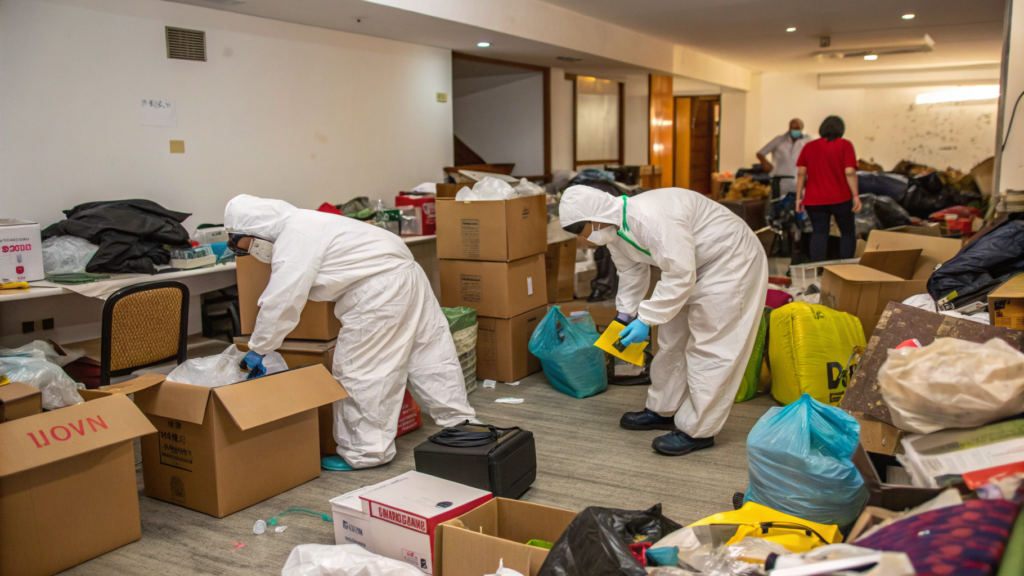

Severe residential hoarding creates serious health, safety, and compliance risks that require professional intervention. Compliant hoarding cleanup services follow a structured, regulated process to restore homes safely and responsibly. The process begins with a detailed assessment to identify hazards and ensure adherence to health and environmental regulations. Cleanup teams then implement safety containment measures, carefully sort and remove debris, and dispose of hazardous materials through approved channels. Deep cleaning, sanitization, and odor removal restore indoor air quality and livability. In extreme cases, structural repairs may be needed. A final inspection and documentation confirm compliance with housing and safety standards. This professional approach ensures effective hoarding cleanup while protecting occupants, workers, and the surrounding environment.
–
Introduction
Severe residential hoarding is a complex issue that extends far beyond simple clutter. It can create hazardous living conditions, pose serious health risks, and even violate local housing or fire safety regulations. In extreme cases, professional intervention is the only safe and effective solution.
Compliant hoarding cleanup services follow a structured, regulated process to ensure safety, sanitation, and dignity for the occupant. Unlike general cleaning, hoarding cleanup requires trained professionals, proper protective equipment, and adherence to environmental and health standards. Below is a step-by-step breakdown of how compliant cleanup services handle severe hoarding cases from start to finish.
1. Initial Assessment and Risk Evaluation
The process begins with a comprehensive on-site assessment. Cleanup professionals evaluate the severity of the hoarding, identify biohazards, structural risks, pest infestations, and fire hazards, and determine the level of personal protective equipment (PPE) required.
This step is crucial for compliance, as it helps align the cleanup plan with local health codes, OSHA guidelines, and environmental regulations. It also ensures that the cleanup crew understands whether the situation involves animal waste, mold, sharps, or decomposing materials.
2. Customized Cleanup Plan and Compliance Review
Every hoarding case is unique. After the assessment, professionals create a customized cleanup plan that outlines timelines, safety measures, disposal methods, and sanitation procedures.
Compliance-focused hoarding cleanup services ensure the plan aligns with:
- Local waste disposal laws
- Environmental protection standards
- Public health regulations
For guidance on health risks associated with hoarding environments, the Centers for Disease Control and Prevention (CDC) provides authoritative resources on sanitation and biohazard exposure, making it a trusted reference point for compliant cleanup practices.
3. Safety Preparation and Containment
Before any cleanup begins, the site is prepared for safe entry. This includes:
- Sealing off affected areas
- Setting up negative air pressure if airborne contaminants are present
- Equipping staff with PPE such as respirators, gloves, and protective suits
Containment prevents cross-contamination and protects both workers and neighboring residences. This step is essential in severe cases involving mold spores, bacteria, or animal waste.
4. Sorting, Salvaging, and Ethical Decision-Making
A compliant hoarding cleanup prioritizes respect and empathy. Items are sorted into categories such as:
- Keep
- Donate
- Recycle
- Dispose
Professionals often work alongside the homeowner, family members, or social workers to ensure emotionally significant items are preserved when possible Copilot agents for SharePoint. This ethical approach supports mental well-being while maintaining efficiency and compliance.
5. Removal of Debris and Hazardous Materials
Once sorting is complete, crews begin the systematic removal of debris. In severe residential hoarding cases, this can involve several tons of waste.
Licensed hoarding cleanup services ensure:
- Hazardous materials are handled according to regulations
- Biohazardous waste is disposed of at approved facilities
- Recyclables and electronics are processed legally
Improper disposal can result in fines or environmental damage, which is why compliance is non-negotiable at this stage.
6. Deep Cleaning and Sanitization
After debris removal, deep cleaning begins. This includes:
- Industrial-grade cleaning agents
- HEPA vacuuming
- Disinfection of all surfaces
In cases involving bodily fluids or animal contamination, professionals use hospital-grade disinfectants to eliminate pathogens. This step restores the home to a safe, livable condition and minimizes long-term health risks.
7. Odor Removal and Air Quality Restoration
Severe hoarding often leads to persistent odors caused by mold, waste, or decay. Compliant cleanup services use advanced odor neutralization techniques such as:
- Ozone treatment
- Hydroxyl generators
- Thermal fogging
These methods improve indoor air quality and ensure the home meets basic habitability standards.
8. Structural Repairs and Restoration (If Needed)
In extreme cases, hoarding can damage floors, walls, plumbing, or electrical systems. Some hoarding cleanup services coordinate with licensed contractors to address structural issues uncovered during the cleanup.
While not always required, this step is essential for homes facing inspections, sales, or re-occupancy permits.
9. Final Inspection and Documentation
The final step involves a thorough inspection to ensure all cleanup objectives have been met. Documentation may be provided for:
- Landlords
- Housing authorities
- Insurance companies
This paperwork demonstrates that the cleanup was performed in compliance with applicable regulations and professional standards.
Conclusion
Compliant hoarding cleanup services follow a detailed, regulated process designed to protect health, safety, and dignity. From assessment to final inspection, each step ensures severe residential hoarding cases are handled responsibly and legally. Choosing professional hoarding cleanup services not only restores living spaces but also provides peace of mind through proper compliance, sanitation, and long-term safety.
FAQs
Q1. How long does a severe hoarding cleanup take?
A. Most severe cases take between several days to a few weeks, depending on the extent of the hoarding and hazards involved.
Q2. Are hoarding cleanup services confidential?
A. Yes, reputable providers prioritize privacy and handle all cases discreetly and professionally.
Q3. Can hoarding cleanup help with inspections or property sales?
A. Absolutely. Compliant cleanup services can prepare properties to meet health, safety, and housing inspection requirements.