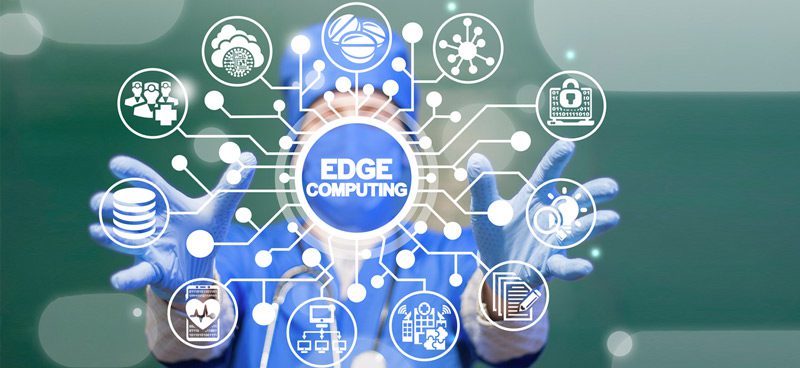

Edge computing in healthcare is rapidly emerging as a critical technology for improving how medical data is processed, analyzed, and used in real time. Traditional healthcare IT systems rely heavily on centralized cloud servers, which can introduce latency, connectivity challenges, and security risks. As healthcare environments become more data-intensive through wearable devices, IoT-enabled medical equipment, and digital health platforms, the need for faster and more reliable data processing has grown significantly. Edge computing in healthcare addresses these challenges by enabling computation closer to the data source, supporting timely clinical decisions and enhancing patient outcomes.
Understanding the Concept of Edge Computing
Edge computing refers to a distributed computing model where data processing occurs near the point of data generation rather than in a centralized cloud or data center. In healthcare settings, this means data from medical devices, patient monitors, imaging systems, and sensors can be processed locally. Edge computing in healthcare minimizes delays associated with data transmission, reduces network congestion, and ensures that critical insights are available instantly. This localized processing model is especially valuable in environments where real-time responses can directly impact patient safety and care quality.
Take the Cricket Quiz & Try Our Free Flip a Coin
Why Edge Computing Is Important for Healthcare Systems
Healthcare systems operate in high-stakes environments where delays, system downtime, or data loss can have serious consequences. Edge computing in healthcare enhances system reliability by reducing dependence on constant cloud connectivity. Even during network disruptions, edge-enabled systems can continue processing essential data locally. This capability supports uninterrupted care delivery, improves operational resilience, and allows healthcare providers to maintain service continuity during emergencies or technical failures.
Role of Edge Computing in Medical Devices
Modern medical devices generate vast amounts of data every second. Edge computing in healthcare allows this data to be analyzed directly on or near the device, enabling faster alerts and automated responses. For example, patient monitors can detect abnormal vital signs in real time and notify clinicians immediately. This reduces the need to transmit all raw data to the cloud and ensures rapid intervention when critical thresholds are crossed, ultimately improving patient safety.
Edge Computing and Remote Patient Monitoring
Remote patient monitoring has become a core component of digital healthcare delivery. Edge computing in healthcare enhances remote monitoring by enabling continuous data analysis at the patient’s location. Wearable devices and home monitoring systems can process patient data locally, identify trends, and send only relevant insights to healthcare providers. This approach reduces data overload, improves response times, and supports proactive care for patients managing chronic conditions outside traditional clinical settings.
Enhancing Clinical Decision-Making
Clinical decision-making relies on accurate and timely information. Edge computing in healthcare supports clinicians by delivering real-time insights derived from patient data without delays caused by cloud processing. In emergency departments, intensive care units, and operating rooms, edge-enabled analytics help healthcare professionals respond quickly and confidently. Faster access to actionable data improves diagnostic accuracy and enables more effective treatment decisions.
Reducing Latency in Critical Care Environments
Latency is a major concern in critical care scenarios where seconds matter. Edge computing in healthcare significantly reduces latency by processing data locally, enabling near-instant feedback. Applications such as robotic-assisted surgery, emergency diagnostics, and real-time imaging benefit greatly from reduced response times. By eliminating delays, edge computing helps improve precision, safety, and efficiency in high-risk medical procedures.
Data Security and Privacy Benefits
Protecting patient data is a top priority for healthcare organizations. Edge computing in healthcare enhances security by minimizing the need to transfer sensitive data across networks. Local data processing reduces exposure to cyber threats and lowers the risk of interception. Additionally, keeping data closer to its source supports compliance with strict healthcare regulations and privacy standards, helping organizations maintain patient trust and legal compliance.
Edge Computing and Healthcare IoT Integration
The healthcare Internet of Things ecosystem includes connected devices such as smart beds, infusion pumps, and wearable sensors. Edge computing in healthcare enables seamless integration of these devices by providing localized data processing and coordination. This improves system performance, reduces bandwidth consumption, and allows healthcare providers to manage complex IoT environments more effectively. The result is a more responsive and interconnected healthcare infrastructure.
Supporting Smart Hospitals and Facilities
Smart hospitals rely on advanced technologies to optimize operations and improve patient care. Edge computing in healthcare supports smart hospital initiatives by enabling real-time monitoring, predictive maintenance, and automated workflows. From managing medical equipment to optimizing patient flow, edge computing provides actionable insights that enhance efficiency and reduce operational costs. Smart facilities powered by edge technology can adapt dynamically to changing patient needs.
Edge Computing in Medical Imaging and Diagnostics
Medical imaging systems generate large, complex datasets that require rapid processing. Edge computing in healthcare accelerates imaging workflows by processing data closer to imaging devices. This reduces delays in diagnosis and allows clinicians to review results more quickly. Faster imaging analysis supports timely treatment planning and improves diagnostic accuracy, especially in emergency and time-sensitive cases.
Improving Healthcare Scalability
As healthcare organizations grow and adopt new technologies, scalability becomes a key concern. Edge computing in healthcare offers scalable solutions by distributing processing workloads across multiple edge nodes. This approach allows healthcare systems to expand without overloading centralized infrastructure. Scalability ensures consistent performance even as data volumes increase, supporting long-term digital transformation goals.
Cost Efficiency and Resource Optimization
Maintaining centralized data centers and cloud infrastructure can be costly. Edge computing in healthcare helps reduce operational expenses by lowering bandwidth usage and cloud storage requirements. By processing data locally, organizations can optimize resource utilization and reduce long-term infrastructure costs. This cost efficiency makes edge computing an attractive option for healthcare providers seeking sustainable technology investments.
Compliance and Regulatory Support
Healthcare regulations impose strict requirements on data handling and security. Edge computing in healthcare supports compliance by enabling controlled, localized data processing. Keeping sensitive information within secure environments helps organizations meet regulatory obligations and simplifies audit processes. Compliance-ready architectures reduce legal risks and ensure adherence to industry standards.
Challenges of Implementing Edge Computing in Healthcare
Despite its benefits, edge computing in healthcare presents implementation challenges. These include managing distributed devices, ensuring consistent security updates, and integrating with existing IT systems. Healthcare organizations must also invest in skilled personnel and robust management tools. Addressing these challenges requires careful planning, strong governance, and collaboration with experienced technology partners.
Edge Computing and Telemedicine Integration
Telemedicine platforms depend on reliable, real-time data exchange. Edge computing in healthcare enhances telemedicine by improving video quality, reducing latency, and enabling faster diagnostics. Local data processing ensures consistent performance even in low-bandwidth environments. This integration expands access to virtual care and supports more effective remote consultations.
Future Trends in Edge Computing for Healthcare
The future of edge computing in healthcare is closely tied to advancements in artificial intelligence, machine learning, and 5G connectivity. Edge-enabled AI will support predictive analytics, personalized treatment plans, and automated diagnostics. As technologies evolve, edge computing will play an increasingly central role in delivering smarter, faster, and more patient-centric healthcare solutions.
Edge Computing in Emergency and Disaster Response
Emergency and disaster scenarios require resilient and responsive systems. Edge computing in healthcare ensures that critical data processing continues even when network connectivity is limited or disrupted. Localized analytics support rapid decision-making, enabling healthcare teams to respond effectively in high-pressure situations. This resilience is essential for emergency preparedness and response planning.
Hybrid Edge and Cloud Architectures
Edge computing works best when combined with cloud platforms. Edge computing in healthcare complements cloud systems by handling real-time processing locally while leveraging the cloud for long-term storage and advanced analytics. Hybrid architectures offer flexibility, scalability, and performance optimization, allowing healthcare organizations to balance speed and data management needs.
Impact on Patient Experience and Engagement
Patient experience is a key measure of healthcare quality. Edge computing in healthcare improves patient engagement by enabling faster services, accurate monitoring, and personalized care. Reduced wait times, timely alerts, and seamless digital interactions contribute to higher satisfaction levels and better health outcomes. Patients benefit from more responsive and reliable care delivery models.
Building a Strategy for Edge Computing Adoption
Successful adoption of edge computing in healthcare requires a clear strategy aligned with organizational goals. This includes assessing infrastructure readiness, identifying priority use cases, and ensuring security and compliance. A well-defined roadmap helps healthcare organizations implement edge solutions effectively and maximize long-term value.
Conclusion
Edge computing in healthcare is reshaping the way medical data is processed, analyzed, and used across the healthcare ecosystem. By enabling real-time insights, improving security, reducing latency, and supporting advanced digital applications, edge computing addresses many limitations of traditional healthcare IT systems. As healthcare continues to evolve, organizations that embrace edge computing will be better positioned to deliver efficient, secure, and patient-centered care. The growing adoption of edge computing in healthcare marks a significant step toward a smarter and more resilient future for global healthcare systems.


