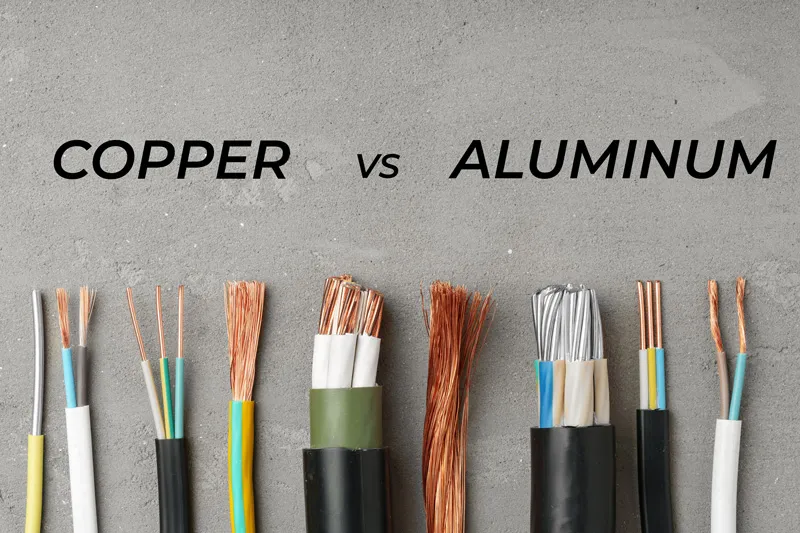

Choosing the right electrical cable is very important for safety, performance, and long-term cost savings. Whether it is for a home, factory, commercial building, or solar power system, the type of cable you use can make a big difference. Today, two materials are most commonly used for electrical cables: aluminium and copper. Each one has its own strengths and limitations.
In this article, we will clearly explain Aluminium vs Copper Cable, focusing on their differences, advantages, disadvantages, and where each type is best used. The language is kept very simple so that even someone without technical knowledge can understand it easily.
Understanding Electrical Cables in Simple Terms
An electrical cable is a conductor that carries electricity from one place to another. Inside the cable, metal wires allow electric current to flow. The most popular metals used for this purpose are copper and aluminium because they conduct electricity well.
However, they do not behave in the same way. Their weight, strength, cost, and performance are different. This is why choosing between aluminium and copper cables is an important decision.
What Is a Copper Cable?
Copper cable is made using copper metal as the main conductor. Copper has been used for electrical wiring for many decades and is still very popular today.
Key Features of Copper Cables
- Very good electrical conductivity
- Strong and durable
- Long service life
- Easy to connect and install
- Resistant to corrosion
Because of these features, copper cables are often seen as a premium choice for electrical wiring.
What Is an Aluminium Cable?
Aluminium cable uses aluminium metal as the conductor. Aluminium is lighter and less expensive than copper. It became popular as an alternative when copper prices increased.
Key Features of Aluminium Cables
- Lightweight compared to copper
- Lower cost
- Good conductivity, but less than copper
- Suitable for long-distance power transmission
- Needs careful installation
Aluminium cables are commonly used in power distribution systems and large-scale electrical networks.
Aluminium vs Copper Cable: Basic Difference Explained
When comparing Aluminium vs Copper Cable, the main difference lies in how well they carry electricity, their weight, cost, and installation needs. Let us look at each difference in detail.
Electrical Conductivity Comparison
Electrical conductivity means how easily electricity can pass through a material.
- Copper has higher electrical conductivity. This means a thinner copper cable can carry the same current as a thicker aluminium cable.
- Aluminium has lower conductivity, so it needs a larger size to carry the same amount of electricity.
In simple words, copper is better at conducting electricity than aluminium.
Weight Difference Between Aluminium and Copper Cables
Weight plays a big role in handling and installation.
- Copper cables are heavier.
- Aluminium cables are around 30–40% lighter than copper cables of the same current rating.
Because aluminium is lighter, it is easier to transport and install in long-distance projects like overhead power lines.
Cost Comparison: Aluminium vs Copper Cable
Cost is often the main reason people consider aluminium cables.
- Copper is more expensive because it is a high-demand metal.
- Aluminium is cheaper and more easily available.
For large projects where a lot of cable is required, aluminium can reduce overall costs significantly.
Strength and Durability
Durability is about how long the cable lasts and how well it handles stress.
- Copper is stronger and more flexible.
- Aluminium is softer and can break more easily if bent too much.
This means copper cables can handle frequent movement and tight bends better than aluminium cables.
Installation and Handling
Installation quality affects safety and performance.
Copper Cable Installation
- Easy to bend and connect
- Less risk of loose connections
- Works well with standard connectors
Aluminium Cable Installation
- Needs special connectors
- Requires careful tightening
- Needs regular checking to avoid loose joints
Poor installation of aluminium cables can lead to heating issues, which is why skilled installation is very important.
Heat Resistance and Performance
When electricity flows, heat is generated.
- Copper handles heat better and stays stable under high load.
- Aluminium heats up faster if connections are not done properly.
This makes copper more suitable for areas where high current flow is expected continuously.
Corrosion and Oxidation Resistance
- Copper has good resistance to corrosion.
- Aluminium reacts with air and forms an oxide layer.
While the oxide layer protects aluminium from further corrosion, it can increase resistance at connection points if not managed properly.
Safety Considerations
Safety is a major factor in cable selection.
- Copper cables have a lower risk of fire due to better conductivity and strong connections.
- Aluminium cables need proper installation to avoid overheating and sparking.
When installed correctly, both can be safe, but copper offers more margin for error.
Flexibility and Bending Ability
Flexibility is important during wiring work.
- Copper cables are highly flexible.
- Aluminium cables are less flexible and can crack if bent repeatedly.
This makes copper better for indoor wiring where tight spaces are common.
Use Cases of Copper Cables
Copper cables are widely used in situations where reliability and performance are critical.
Residential Wiring
Copper is the first choice for home wiring because of safety, flexibility, and long life.
Commercial Buildings
Offices, malls, and hospitals use copper cables for stable power supply.
Industrial Applications
Factories and heavy machinery rely on copper for consistent performance.
Solar Power Systems
Copper cables are often used in solar installations where efficiency matters.
Use Cases of Aluminium Cables
Aluminium cables are preferred where weight and cost are major concerns.
Power Transmission Lines
Aluminium is commonly used in overhead transmission lines because it is lightweight.
Large Electrical Networks
Utility companies use aluminium cables for long-distance power distribution.
Temporary Installations
Aluminium cables are useful where cost-saving is important and usage is temporary.
High-Voltage Systems
With proper design, aluminium works well in high-voltage applications.
Maintenance Requirements
Maintenance affects long-term performance.
- Copper cables need very little maintenance.
- Aluminium cables need regular inspection to ensure connections remain tight.
This makes copper more suitable for places where regular maintenance is difficult.
Environmental Impact
Both metals are recyclable.
- Copper recycling is very common and efficient.
- Aluminium recycling uses less energy compared to producing new aluminium.
From an environmental point of view, both materials are acceptable choices.
Lifespan Comparison
- Copper cables can last 40–50 years or more.
- Aluminium cables also have a long life but depend more on installation quality.
A properly installed aluminium cable can perform well for decades.
Choosing the Right Cable: Simple Guide
When deciding between aluminium and copper cables, consider the following points:
- Budget: Aluminium is cheaper.
- Space: Copper needs less space due to smaller size.
- Load Requirement: Copper handles higher loads better.
- Installation Skill: Aluminium needs experienced handling.
- Long-Term Use: Copper is better for permanent wiring.
There is no one-size-fits-all answer. The right choice depends on your specific needs.
Common Myths About Aluminium and Copper Cables
Myth 1: Aluminium cables are unsafe
Truth: Aluminium cables are safe when installed properly.
Myth 2: Copper cables never fail
Truth: Any cable can fail if overloaded or damaged.
Myth 3: Aluminium cables are outdated
Truth: Aluminium is widely used in modern power systems.
Future Trends in Cable Usage
With growing demand for electricity, both aluminium and copper cables will continue to be used.
- Copper will remain important for homes and sensitive systems.
- Aluminium will be widely used for large-scale and renewable energy projects.
Technology improvements are also making aluminium cables safer and more reliable.
Final Thoughts on Aluminium vs Copper Cable
Understanding the difference between Copper vs Aluminium Cable helps in making smart electrical decisions. Both have their own advantages and are suitable for different situations. The key is proper selection, correct sizing, and quality installation.
When planning any electrical project, always consult experienced professionals and use high-quality materials. Reliable cable solutions ensure safety, efficiency, and long-term performance.
For trusted electrical products and expert guidance, Prabha Power offers reliable solutions that meet modern power needs and industry standards.