
In today’s fast-paced digital world, where minimalism and flat design often dominate branding trends, there is a growing appreciation for the warmth and character of retro aesthetics. Businesses and designers alike are rediscovering the power of classic visuals to tell stories, build emotional connections, and stand out in crowded markets. Among these timeless design approaches, vintage-inspired branding has emerged as a strong identity tool, blending nostalgia with authenticity. A retro identity does more than look old-fashioned; it communicates heritage, trust, craftsmanship, and personality in a way modern styles sometimes struggle to achieve.
Retro design draws inspiration from specific historical periods—such as the early 1900s, the Art Deco era, the 1950s diner culture, or the bold typography of the 1970s. Each era has its own visual language, color palette, illustration style, and typographic mood. When these elements are thoughtfully combined, they create logos that feel familiar yet fresh, reminding audiences of simpler times while remaining relevant to contemporary branding needs.
Why Retro Branding Still Works
One of the main reasons retro branding continues to thrive is its emotional appeal. Nostalgia is a powerful marketing tool. It evokes memories, comfort, and a sense of reliability. When people see a logo that looks handcrafted or inspired by a classic era, they subconsciously associate it with quality, tradition, and authenticity. This is particularly effective for industries such as coffee shops, barber studios, breweries, fashion labels, restaurants, and artisanal product brands, where heritage and craftsmanship play a key role in customer perception.
Another reason is differentiation. In a sea of clean, geometric, and often similar-looking modern logos, a retro-style identity immediately stands out. The textures, decorative elements, and expressive typography of classic design give brands a unique visual voice. Instead of blending in, they create a strong personality that customers can easily recognize and remember.
The Role of Illustration in Retro Logos
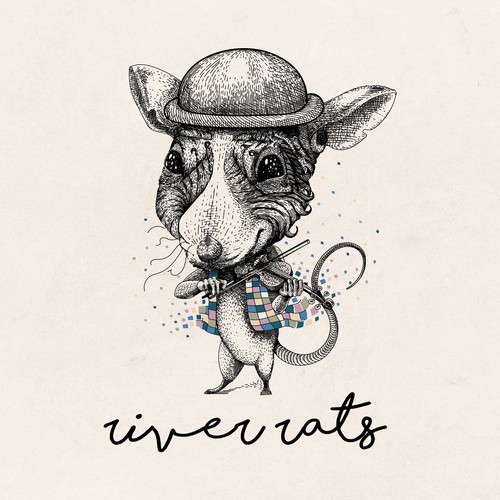
Illustration is at the heart of retro identity. Unlike purely typographic or abstract modern marks, vintage-style logos often feature hand-drawn elements, detailed emblems, mascots, badges, and ornamental frames. These illustrated components tell a story. A single character, symbol, or scene can communicate a brand’s origin, values, and vibe in a way that a simple icon cannot.
In the middle of this design philosophy lies the concept of vintage logo illustration, which combines traditional drawing techniques with historical references to create logos that feel timeless and rich in narrative. This approach allows designers to craft visuals that look as though they were pulled from an old signboard, a classic product label, or a century-old advertisement, while still being optimized for modern digital and print use.
Key Elements of Vintage Logo Design
To successfully design a retro identity, it is important to understand and apply the core components that define vintage aesthetics.
Typography:
Typefaces play a crucial role. Serif fonts, script lettering, slab fonts, and decorative display types are commonly used in retro logos. Hand-lettered styles, in particular, add authenticity and a human touch. The imperfections in strokes and curves make the logo feel crafted rather than machine-generated.
Color Palette:
Muted, earthy tones, pastel shades, sepia effects, and slightly faded colors often dominate retro branding. These palettes mimic old printing techniques and aged materials, reinforcing the nostalgic feel.
Textures and Effects:
Grain, noise, rough edges, and distressed overlays are frequently added to simulate the look of old paper, wood, metal, or fabric. These textures enhance the illusion of age and depth, making the logo feel tactile and real.
Shapes and Layouts:
Badges, seals, crests, ribbons, and shields are classic layout structures in vintage logos. Symmetry and balanced compositions are common, reflecting traditional design principles from earlier eras.
Blending Retro with Modern Needs
While the goal is to achieve a classic look, functionality in modern applications is equally important. A well-designed retro logo must be versatile. It should work across websites, social media, packaging, signage, and mobile screens without losing clarity. This means simplifying overly complex illustrations, ensuring scalability, and maintaining legibility at small sizes.
Modern design tools allow artists to recreate hand-drawn aesthetics with precision, ensuring that the final output is both visually rich and technically sound. Vector-based illustrations, for example, preserve detail while allowing for easy resizing and color adjustments. This balance between old-school charm and modern practicality is what makes contemporary retro branding so effective.
Storytelling Through Visual Heritage
One of the most compelling aspects of a retro identity is its storytelling power. Every line, curve, and symbol can reference a particular era or cultural movement. A barber shop logo might feature classic straight razors and bold 1950s typography, suggesting tradition and expertise. A coffee brand could use ornate Victorian-style frames and hand-drawn beans to imply heritage and craftsmanship. These visual cues instantly communicate what the brand stands for without the need for lengthy explanations.
Story-driven design builds trust. When customers feel that a brand has roots, history, or a meaningful narrative—even if it is newly established—they are more likely to connect with it on an emotional level.
Industries Embracing Retro Identity
Retro logo illustration is widely used across various sectors:
- Food and Beverage: Breweries, bakeries, diners, and coffee roasters often use vintage styles to highlight tradition and authenticity.
- Fashion and Lifestyle: Retro logos convey timeless style and craftsmanship, appealing to audiences who value uniqueness and quality.
- Entertainment and Media: Music labels, record stores, and event brands frequently adopt nostalgic visuals to reflect cultural heritage.
- Hospitality: Hotels, bars, and cafés use classic design to create warm, inviting atmospheres with character.
The Future of Vintage-Inspired Design
As design trends continue to evolve, the appeal of retro identity remains strong. In an age dominated by automation and AI-generated visuals, handcrafted and illustration-based logos feel more personal and meaningful. They remind us that design is not just about aesthetics, but about emotion, history, and human connection.
Designing with a vintage approach does not mean living in the past. Instead, it means respecting visual traditions while reinterpreting them for modern audiences. By carefully studying historical styles, understanding brand values, and applying contemporary design techniques, designers can create identities that are both nostalgic and forward-thinking.
In conclusion, retro identity through illustrated logos offers a powerful way to build distinctive, trustworthy, and emotionally resonant brands. By embracing classic typography, rich illustration, textured details, and thoughtful storytelling, businesses can craft visual identities that stand the test of time—proving that sometimes, looking back is the best way to move forward.