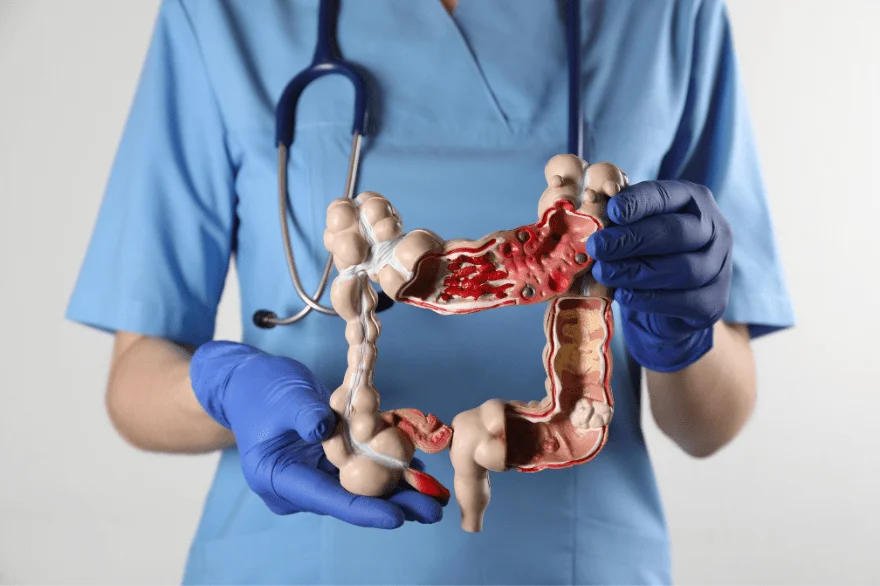

Digestive health plays a very important role in your overall well-being. When your digestive system is not working properly, it can affect your energy levels, mood, immunity, and daily comfort. Many people ignore early digestive symptoms, thinking they are temporary or caused by stress or diet. However, ongoing digestive problems should never be taken lightly.
Problems related to the stomach, intestines, liver, pancreas, and gallbladder can become serious if they are not treated on time. Persistent symptoms are often the body’s way of asking for medical attention. Ignoring these signs may lead to complications that are harder to treat later.
If digestive discomfort becomes frequent or starts affecting your quality of life, it may be time to seek expert help. Consulting a gastroenterology specialist dubai can help identify the cause early and provide proper treatment before the condition worsens.
In this article, we will discuss the common signs and symptoms that indicate you should visit a gastroenterology specialist soon. The information is explained in very simple and easy language to help you understand when professional care is necessary.
Understanding the Role of a Gastroenterology Specialist
A gastroenterology specialist is a doctor who focuses on the digestive system. This includes organs such as:
- Esophagus (food pipe)
- Stomach
- Small and large intestines
- Liver
- Gallbladder
- Pancreas
These specialists diagnose and treat conditions like acid reflux, ulcers, irritable bowel syndrome (IBS), inflammatory bowel disease (IBD), liver disorders, and many other digestive problems.
Many digestive symptoms may look minor at first, but they can be signs of underlying conditions that need medical care. Knowing when to see a specialist can help prevent long-term health issues.
Persistent Stomach Pain or Abdominal Discomfort
Occasional stomach pain is common and often related to food, gas, or stress. However, stomach pain that lasts for weeks or keeps coming back is not normal.
You should be concerned if:
- Pain does not go away with home remedies
- Pain becomes more intense over time
- Pain interferes with daily activities or sleep
- Pain is located in one specific area and keeps returning
Persistent abdominal pain may be linked to ulcers, gastritis, gallstones, or intestinal issues. A gastroenterology specialist can perform tests to find the exact cause and suggest the right treatment.
Frequent Acid Reflux or Heartburn
Heartburn is a burning feeling in the chest that usually happens after eating. It is often caused by stomach acid flowing back into the food pipe.
Occasional heartburn is common, but frequent acid reflux should not be ignored.
Warning signs include:
- Heartburn more than twice a week
- Sour or bitter taste in the mouth
- Chest discomfort after meals
- Symptoms worsening when lying down
Frequent acid reflux may be a sign of gastroesophageal reflux disease (GERD). If left untreated, GERD can damage the food pipe and lead to serious problems. A specialist can help control symptoms and prevent complications.
Ongoing Diarrhea or Constipation
Changes in bowel habits can happen due to diet or stress. But when diarrhea or constipation lasts longer than a few weeks, it may indicate a deeper issue.
You should seek medical advice if:
- Diarrhea lasts more than two weeks
- Constipation does not improve with diet changes
- You experience alternating diarrhea and constipation
- Bowel changes are sudden and unexplained
Long-term bowel problems may be related to IBS, infections, inflammation, or other digestive disorders. Early evaluation helps in managing symptoms effectively.
Blood in Stool or Black-Colored Stools
Seeing blood in your stool can be frightening, and it should never be ignored. Blood may appear bright red or make stools look black and tar-like.
Possible warning signs include:
- Fresh blood on toilet paper
- Blood mixed with stool
- Dark or black stools with a strong smell
- Blood along with abdominal pain or weight loss
Blood in the stool can be caused by hemorrhoids, ulcers, infections, or more serious conditions. A gastroenterology specialist can identify the source and recommend appropriate treatment.
Unexplained Weight Loss
Losing weight without trying may seem like a good thing, but it can be a sign of an underlying health issue.
You should be concerned if:
- You lose weight without changes in diet or exercise
- Weight loss happens quickly
- Weight loss is accompanied by digestive symptoms
Unexplained weight loss may be linked to poor nutrient absorption, chronic infections, or digestive diseases. A specialist can investigate the cause and help restore healthy weight.
Difficulty Swallowing or Pain While Swallowing
Swallowing should be easy and painless. If you feel discomfort or pain while swallowing food or liquids, it is not normal.
Common warning signs include:
- Feeling that food is stuck in the throat
- Pain when swallowing
- Frequent choking or coughing during meals
- Avoiding food due to fear of discomfort
Difficulty swallowing can be caused by inflammation, narrowing of the food pipe, or other digestive conditions. Early diagnosis can prevent worsening of symptoms.
Constant Bloating and Excessive Gas
Feeling bloated once in a while is common, especially after heavy meals. But constant bloating that does not improve may indicate a digestive problem.
You should consider seeing a specialist if:
- Bloating happens daily
- Bloating is painful or uncomfortable
- Gas is excessive and embarrassing
- Symptoms worsen after eating certain foods
Chronic bloating can be related to food intolerance, gut imbalance, or intestinal disorders. A specialist can help identify triggers and suggest proper treatment.
Nausea and Vomiting That Does Not Go Away
Occasional nausea can occur due to food poisoning or viral infections. However, ongoing nausea or vomiting should be taken seriously.
Seek medical help if:
- Nausea lasts for several days
- Vomiting happens frequently
- Vomiting contains blood
- Nausea is associated with stomach pain or fever
Persistent nausea may be linked to stomach inflammation, ulcers, liver problems, or other digestive conditions. Proper diagnosis is important to avoid dehydration and complications.
Chronic Fatigue and Weakness
Digestive health is closely connected to energy levels. When your digestive system is not working properly, your body may not absorb nutrients effectively.
Warning signs include:
- Feeling tired all the time
- Weakness without clear reason
- Dizziness or lightheadedness
- Poor concentration
These symptoms may be linked to anemia, vitamin deficiencies, or chronic digestive conditions. A gastroenterology specialist can identify the cause and help restore your energy.
Yellowing of Skin or Eyes
Yellowing of the skin or eyes, also known as jaundice, is a serious sign that should never be ignored.
Possible causes include:
- Liver disease
- Gallbladder issues
- Blockage of bile ducts
Jaundice often appears along with dark urine, pale stools, and itching. Immediate medical attention is necessary to prevent further liver damage.
Family History of Digestive Diseases
If you have close family members with digestive conditions, you may be at higher risk.
Conditions with family links include:
- Colon cancer
- Inflammatory bowel disease
- Liver disease
Even if symptoms are mild, regular check-ups can help detect problems early. Preventive care is especially important if there is a family history of digestive disorders.
When Symptoms Affect Daily Life
One of the clearest signs that you need to see a specialist is when digestive symptoms start affecting your daily routine.
This includes:
- Missing work due to discomfort
- Avoiding social events because of symptoms
- Poor sleep due to pain or heartburn
- Emotional stress related to digestive issues
Quality of life matters. Persistent digestive problems should not be accepted as normal.
Importance of Early Diagnosis and Treatment
Early diagnosis makes treatment easier and more effective. Many digestive conditions respond well to lifestyle changes, medication, and proper medical care when addressed early.
Delaying treatment can lead to:
- Worsening symptoms
- Long-term complications
- Increased treatment costs
- Reduced quality of life
Visiting a specialist at the right time helps protect your long-term health.
What to Expect During a Gastroenterology Visit
During your visit, the specialist may:
- Ask about your symptoms and medical history
- Discuss your diet and lifestyle
- Recommend blood tests or imaging
- Suggest procedures if needed
- Create a treatment plan based on your condition
The goal is to understand the root cause and provide personalized care.
Conclusion
Digestive symptoms should never be ignored, especially when they are persistent, painful, or affecting your daily life. Signs such as ongoing stomach pain, frequent acid reflux, changes in bowel habits, unexplained weight loss, or blood in stool are clear indicators that professional medical care is needed.
Consulting an experienced gastro doctor dubai can help diagnose problems early and prevent serious complications. If you are experiencing any of the signs discussed above, seeking expert care is a wise step toward better digestive health.
For those looking for trusted and professional digestive care in Dubai, Dr. Neil Philip Galletly offers expert guidance, accurate diagnosis, and patient-focused treatment to help you regain comfort and confidence in your digestive health.