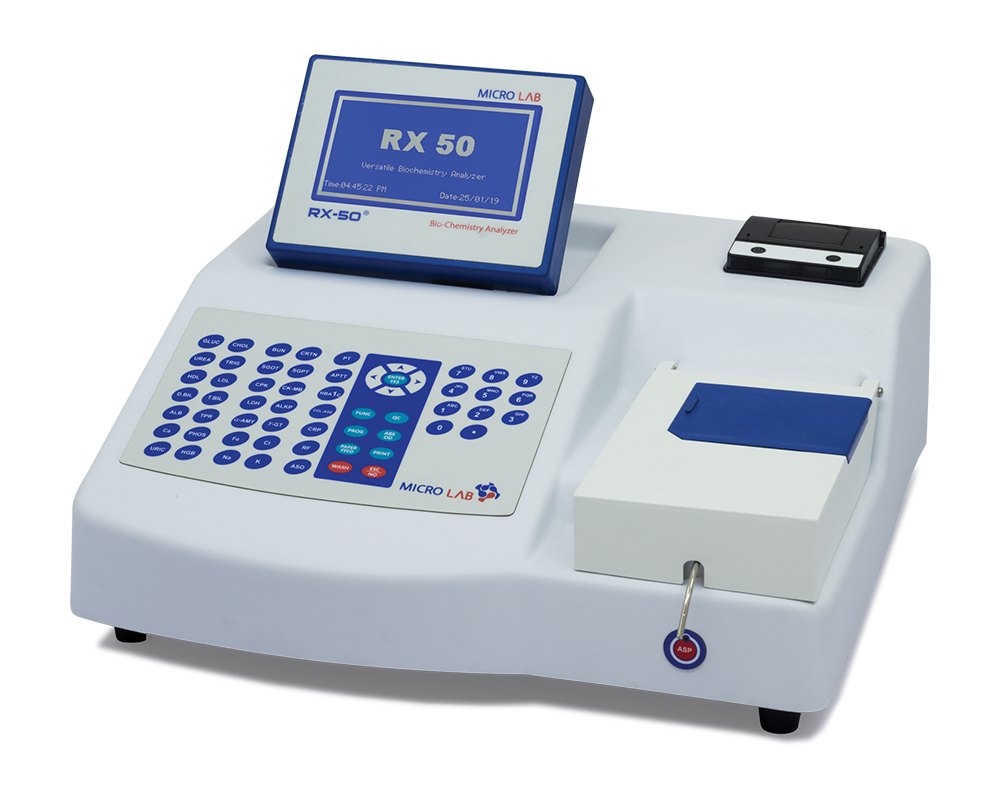

In the field of medical diagnostics, precision and accuracy are paramount. Advancements in technology have provided healthcare professionals with tools that not only enhance diagnostic efficiency but also ensure reliable patient outcomes. Among these innovations, the biochemistry analyzer stands out as a cornerstone piece of laboratory equipment. It is indispensable in modern medical practice due to its ability to perform a wide array of biochemical analyses quickly and accurately.
In this article, we’ll delve into the uses of biochemistry analyzers, their significance in improving medical diagnostics, and how they complement other laboratory tools, such as the centrifuge machine, to ensure trustworthy results. Healthcare institutions and laboratories also explore financing solutions from Bajaj Finance to upgrade advanced diagnostic equipment efficiently.
What is a Biochemistry Analyzer?
A biochemistry analyzer is a medical device used in clinical laboratories for the analysis of biochemical components in biological samples such as blood, urine, and other bodily fluids. By measuring substances such as enzymes, electrolytes, proteins, lipids, and metabolites, the analyzer provides key data necessary for diagnosing, monitoring, and managing a wide variety of conditions.
Biochemistry analyzers use advanced technology to perform tests with exceptional speed and precision. They automate processes that were once time-consuming when done manually, reducing the errors associated with human handling and ensuring the integrity of the results.
Key Uses of Biochemistry Analyzers
1. Routine Health Screenings
Biochemistry analyzers are widely used for routine health checkups to assess a patient’s overall health. By analyzing blood and serum samples, they can measure glucose levels, cholesterol levels, and other metabolic markers. This information is critical in diagnosing and preventing diseases like diabetes, cardiovascular conditions, and metabolic disorders.
2. Disease Diagnosis
One of the pivotal applications of biochemistry analyzers is in disease detection. For example, liver function tests, kidney function tests, and cardiac marker measurements are routinely performed using these devices. By analyzing critical biochemical parameters, clinicians can quickly identify disease markers and make informed decisions about treatment plans.
3. Monitoring Chronic Conditions
Patients with chronic illnesses such as diabetes or kidney diseases require regular monitoring of specific biochemical parameters. Biochemistry analyzers help keep track of changing values, enabling timely interventions to prevent complications.
4. Drug Efficacy and Toxicology Testing
These analyzers are also utilized in therapeutic drug monitoring to measure the concentration of prescribed drugs in a patient’s system. Additionally, they help detect the presence of toxic substances, aiding in poison management and evaluation of drug overdose cases.
5. Research and Development
Beyond clinical applications, biochemistry analyzers are essential in the pharmaceutical and biotechnology industries for research purposes. Scientists use this equipment to study the biochemical processes of different substances, test the efficacy of new drugs, and understand the underlying mechanisms of disease.
6. Veterinary Medicine
Biochemistry analyzers are not confined to human diagnostics; they are also extensively used in veterinary medicine for testing animal samples to track disease and maintain animal health.
How the Biochemistry Analyzer Improves Diagnostic Accuracy
The precision and reliability of a biochemistry analyzer arise from its advanced features, which contribute to a higher degree of accuracy in medical diagnostics. Below are key aspects that make these machines indispensable in clinical and research settings.
1. Automation and Reduction of Human Error
Biochemistry analyzers are designed to reduce the need for manual intervention. Instead of having technicians perform time-intensive and error-prone manual testing, analyzers automate sample processing, reagent mixing, and result calculation. Automation significantly reduces the likelihood of errors such as manual pipetting inaccuracies or transcription mistakes.
2. High Throughput Efficiency
Modern biochemistry analyzers have the ability to process a large number of samples in a short amount of time. This high throughput is especially valuable in busy hospital labs or during medical emergencies where quick diagnostic results can make a critical difference in patient care.
3. Advanced Detection Systems
These devices incorporate cutting-edge detection technologies, such as spectrophotometry, ion-selective electrodes, and immunoassays. These systems allow for the precise quantification of analytes in samples, even at very low concentrations.
4. Quality Control Mechanisms
Biochemistry analyzers often come with built-in quality control functionalities. They flag discrepancies, detect sample contamination, and ensure all measurements are consistent and repeatable—ensuring the integrity of results.
5. Integration with Other Laboratory Equipment
Biochemistry analyzers often work in conjunction with other laboratory tools like the centrifuge machine. A centrifuge machine is used to separate blood components, such as plasma or serum, from whole blood by spinning the sample at high speeds. High-quality centrifugation is crucial for ensuring that the sample is prepared correctly before being analyzed in the biochemistry analyzer, as it minimizes interference from cellular components that could impact test results.
Healthcare providers investing in advanced diagnostic systems often consider financial support options from Bajaj Finance for smoother equipment acquisition and laboratory expansion.
Centrifuge Machines: A Vital Companion to Biochemistry Analyzers
As mentioned earlier, a centrifuge machine plays a critical role in preparing samples for analysis in a biochemistry analyzer. Here’s how these devices complement each other:
1. Sample Preparation
Before a sample can be processed in a biochemistry analyzer, it may need to be separated into its individual components. A centrifuge machine does this by spinning the sample at high speeds, allowing denser elements, such as red blood cells, to settle at the bottom while the liquid portion (plasma/serum) is collected for testing.
2. Preventing Sample Contamination
Proper centrifugation of samples ensures that the biochemistry analyzer only processes liquid portions of interest, free from interfering particles like red blood cells or clotting agents. This improves the accuracy of the test results.
3. Efficiency in Workflow
By efficiently preparing samples, centrifuge machines help speed up the overall diagnostic process. This is particularly essential in high-throughput labs or during emergency diagnostic scenarios where every minute counts.
Advantages of Biochemistry Analyzers Over Traditional Manual Testing
Traditional biochemical testing methods were heavily reliant on manual labor, introducing significant chances for error, variability, and delays. Biochemistry analyzers eliminate these challenges by offering several distinct advantages:
1. Precision and Reproducibility
Data accuracy is significantly improved due to the automated and standardized processes used in these devices.
2. Speed
Unlike manual techniques, which could take hours or even days, a biochemistry analyzer can generate results within minutes.
3. Minimized Sample Volume
Biochemistry analyzers require only a small amount of the sample for testing, thus making it easier to conduct multiple tests on a single sample.
4. Advanced Data Management
With built-in software systems, biochemistry analyzers can store and manage test results digitally, which improves data accessibility and reduces paperwork.
5. Customizable Panels
Modern models allow laboratories to configure panels of tests, tailoring them for specific diagnostic requirements, thus increasing convenience and reducing overall testing costs.
Transforming Healthcare with Biochemistry Analyzers
The use of biochemistry analyzers in healthcare has had an undeniable impact on diagnostics and patient care. By providing fast, reliable, and accurate results, these devices ensure that healthcare providers can make informed decisions when diagnosing illnesses, designing treatment protocols, and monitoring recovery.
The integration of biochemistry analyzers with other essential lab tools like centrifuge machines further enhances the accuracy of diagnostic processes by ensuring that clean, well-prepared samples are analyzed. Ultimately, the reliability and efficiency of these tools translate to improved patient care, faster recovery times, and more effective management of chronic and acute healthcare conditions.
The Future of Biochemistry Analyzers
The future of biochemistry analyzers looks promising, with advancements in artificial intelligence, cloud computing, and miniaturization. Upcoming devices are expected to further enhance the diagnostic process by integrating machine learning algorithms to predict outcomes, offer diagnostic suggestions, and reduce mistakes. Additionally, as point-of-care testing becomes more prevalent, smaller, portable biochemistry analyzers may soon find their way into clinics and remote healthcare facilities, enabling quick access to diagnostic services for underserved populations.
Conclusion
The biochemistry analyzer has revolutionized the landscape of medical diagnostics by improving accuracy, speed, and reliability in testing. Its role in disease detection, treatment monitoring, and routine health checks cannot be overstated. When coupled with tools like the centrifuge machine, it ensures optimal sample processing, minimizing room for error and maximizing diagnostic precision.
By enabling enhanced decision-making for healthcare providers and improving patient outcomes, the biochemistry analyzer has become an irreplaceable asset in medicine. As technology continues to evolve, the capabilities of these devices are set to broaden, paving the way for even more advanced, personalized approaches to healthcare.
