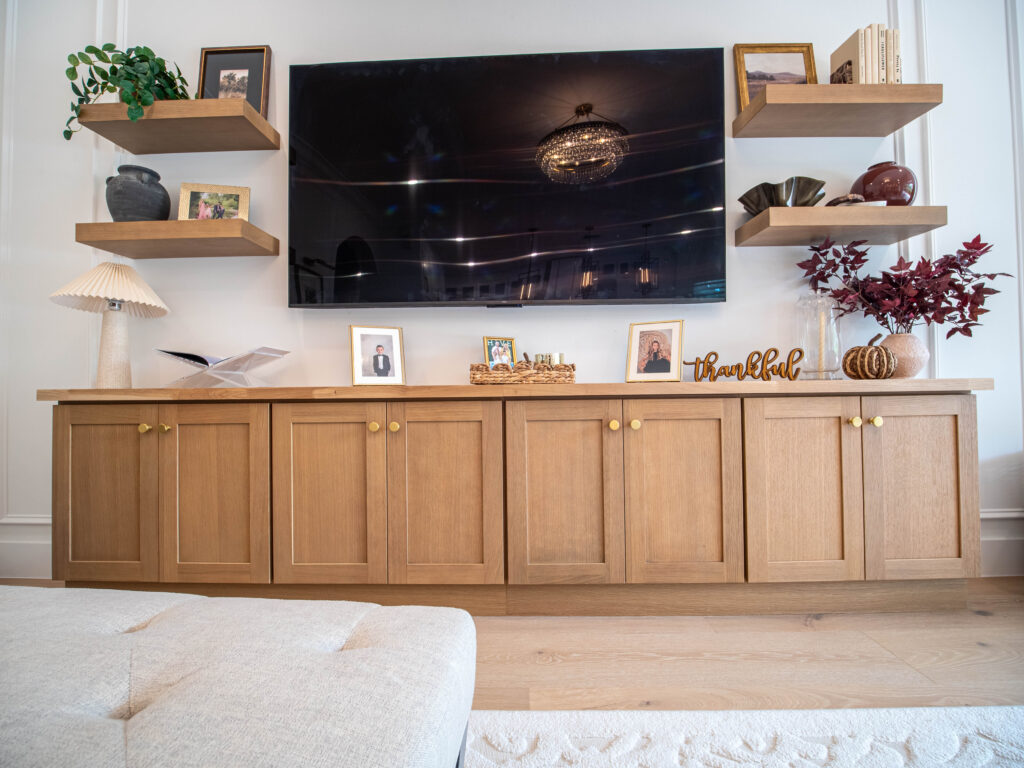

Kitchen organization influences how efficiently daily cooking tasks are completed and how comfortably the space is used. A cluttered kitchen slows down preparation and creates unnecessary stress during meal routines. Cabinetry provides a structured storage system that organizes utensils, cookware, pantry items, and appliances in designated spaces. Well-designed storage improves access, reduces countertop mess, and enhances the overall appearance of the kitchen. Premium Cabinetry Solutions offer layouts that balance storage capacity with usability, helping homeowners maintain a clean and efficient cooking environment throughout everyday use.
Role of Cabinetry in Kitchen Organization
Cabinetry systems serve as the primary framework for organizing kitchen essentials in a structured and accessible way. Each cabinet section creates defined storage zones for different categories such as dishes, cookware, and dry goods. This separation reduces confusion and improves order within the kitchen environment. Proper cabinet design ensures that frequently used items remain within easy reach while less-used items are stored in upper or lower sections. Organized cabinetry also contributes to a visually cleaner space by concealing clutter behind closed storage units.
Maximizing Storage Space with Smart Designs
Modern cabinetry focuses on maximizing available space through innovative design features that improve storage efficiency. Pull-out drawers, adjustable shelving, and rotating corner units help utilize areas that often go unused. Deep drawers accommodate heavy cookware, while vertical dividers organize trays and cutting boards efficiently. Built-in racks and hidden compartments add extra storage without increasing kitchen size. These design elements ensure that every part of the kitchen serves a functional purpose, allowing homeowners to store more items without creating overcrowded or disorganized spaces.
Reducing Countertop Clutter
Kitchen countertops often become overloaded with appliances, utensils, and containers, making the space appear crowded and less functional. Cabinetry helps eliminate this issue by providing dedicated storage for appliances such as mixers, toasters, and coffee machines. Keeping these items inside cabinets frees up valuable workspace for food preparation and serving. Organized storage also improves hygiene by reducing exposure to dust and grease. A clear countertop layout enhances both visual appeal and practicality, making the kitchen easier to maintain and more comfortable for daily use.
Improving Kitchen Workflow and Accessibility
Efficient kitchen workflow depends heavily on the placement and accessibility of cabinetry. Strategic cabinet positioning reduces unnecessary movement and allows smoother transitions between cooking, cleaning, and preparation zones. Cabinets near cooking areas store pots and pans for quick access, while sink-side storage holds cleaning supplies and dishware. Soft-close drawers and pull-out systems simplify retrieval of items without disruption. Organized layouts streamline daily kitchen tasks and reduce preparation time, resulting in a more productive and functional cooking environment that supports consistent efficiency.
Organizing Kitchen Essentials by Category
Cabinetry enables clear categorization of kitchen items, which improves order and simplifies maintenance. Grouping similar items together ensures that utensils, cookware, and pantry goods remain easy to locate. Cooking tools can be stored separately from baking equipment, while food containers and cleaning supplies have their own designated areas. This structured system reduces clutter and helps maintain long-term organization. Categorized storage also simplifies restocking and inventory checks, making kitchen management more efficient and reducing the chances of misplaced or duplicated items.
Enhancing Small Kitchen Functionality
Small kitchen spaces require careful planning to maximize storage without compromising movement or usability. Cabinetry plays a key role in optimizing limited areas through vertical storage, compact designs, and multi-functional features. Tall cabinets extend storage capacity without occupying additional floor space, while wall-mounted units create room for essential items. Custom layouts ensure corners and narrow spaces are fully utilized. Drawer organizers and adjustable shelving improve internal structure, allowing small kitchens to remain highly functional, organized, and efficient despite space limitations.
Supporting Cleaning and Maintenance
Well-organized cabinetry contributes significantly to easier cleaning and maintenance within the kitchen. Enclosed storage protects utensils, cookware, and pantry items from dust, grease, and moisture exposure. Smooth cabinet surfaces simplify wiping and routine upkeep, reducing time spent on cleaning tasks. Organized interiors also help identify expired or unused items quickly, improving hygiene standards. Durable cabinet materials resist stains and wear, ensuring long-term cleanliness. A structured storage system supports a healthier kitchen environment by maintaining order and minimizing unnecessary mess.
Enhancing Aesthetics and Property Value
Cabinetry not only improves functionality but also enhances the visual appeal of the kitchen space. A well-designed cabinet layout creates a clean, modern, and cohesive look that elevates the entire room. Hidden storage reduces visible clutter, contributing to a more spacious appearance. Neutral or modern finishes add style while maintaining long-term design relevance. Organized kitchens often increase property value, as buyers prioritize functional storage and attractive interiors. A well-planned cabinetry system adds both practical benefits and aesthetic value to the home.
Choosing the Right Cabinetry for Organization
Selecting suitable cabinetry requires careful consideration of kitchen layout, storage needs, and daily usage patterns. Proper cabinet depth, shelving flexibility, and drawer configurations play an important role in maintaining organization. Adjustable shelves provide long-term adaptability, while soft-close mechanisms enhance convenience. Material quality ensures durability and resistance to daily wear. Finishes contribute to the kitchen’s overall appearance and atmosphere. A well-planned cabinetry system balances functionality and design, ensuring long-term organization and improved usability across all kitchen activities.
Conclusion
Cabinetry significantly improves kitchen organization by creating structured storage, reducing clutter, and enhancing workflow efficiency. Proper cabinet systems ensure that every kitchen item has a designated place, improving accessibility and reducing time spent searching for essentials. Organized storage also supports cleanliness, better maintenance, and improved kitchen aesthetics. Thoughtful cabinet design transforms both small and large kitchens into functional, efficient, and visually appealing spaces. A well-organized kitchen supported by quality cabinetry delivers long-term convenience and improves everyday cooking experiences.
