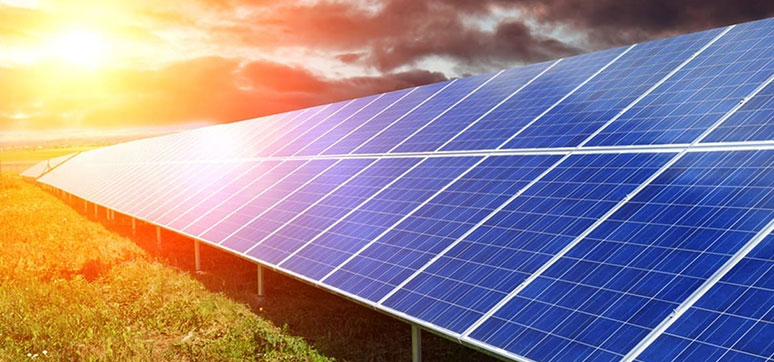

India’s energy story is evolving faster than ever before. What was once dominated by conventional fuels is now being reshaped by renewable energy sources that promise sustainability, resilience, and long-term economic growth. As the country moves toward a cleaner energy future, the transformation is not limited to power generation alone. It is redefining how energy is transmitted, distributed, and consumed.
From solar parks and wind farms to smart grids and digital substations, renewable energy sources are driving a complete overhaul of energy infrastructure. This shift is not only helping India reduce its carbon footprint but also strengthening energy security and enabling efficient Power transmission & distribution across regions.
The Rise of Renewable Energy Sources in India
Over the past decade, renewable energy sources have transitioned from being an alternative to becoming a central pillar of India’s energy mix. Solar and wind energy, in particular, have seen rapid growth due to falling costs, policy support, and technological advancements.
What makes renewable energy unique is its decentralised nature. Unlike traditional power plants that are concentrated in specific regions, renewable energy projects can be deployed across diverse geographies. This allows energy generation closer to consumption points, reducing transmission losses and improving overall system efficiency.
However, this decentralisation also introduces complexity. Integrating multiple renewable energy sources into a single grid requires advanced planning, real-time monitoring, and robust infrastructure.
Transforming Power Transmission & Distribution
The growth of renewable energy sources has fundamentally changed the way Power transmission & distribution systems operate. Traditional grids were designed for one-way power flow from large generation plants to consumers. Today, energy flows in multiple directions due to distributed generation.
To manage this complexity, modern grids are evolving into smart and adaptive systems. Key transformations include:
Smart Grids:
Smart grids use digital technology to monitor and manage electricity flows in real time. They help balance supply and demand, reduce outages, and improve efficiency.
Advanced Substations:
Digital substations equipped with automation and remote monitoring capabilities are becoming essential for managing variable renewable energy.
Grid Flexibility:
Flexible transmission systems allow grids to handle fluctuations in renewable generation, ensuring stable electricity supply.
Reduced Transmission Losses:
With better infrastructure and optimized routing, energy losses during transmission are significantly reduced.
These advancements are critical for ensuring that renewable energy sources can be integrated seamlessly without compromising reliability.
The Role of EPC Companies in India
The transformation of energy infrastructure would not be possible without the expertise of EPC companies. An experienced epc company in india plays a crucial role in designing, building, and executing complex energy projects.
From solar power plants to high-voltage substations, epc companies handle every stage of the project lifecycle, including engineering, procurement, construction, and commissioning. Their role becomes even more critical when dealing with renewable energy projects that require precise execution and seamless grid integration.
Leading epc companies are also driving innovation by adopting new technologies such as automation, digital monitoring, and advanced project management systems. Their ability to deliver projects on time and within budget ensures the success of large-scale renewable initiatives.
Renewable Energy and Grid Stability Challenges
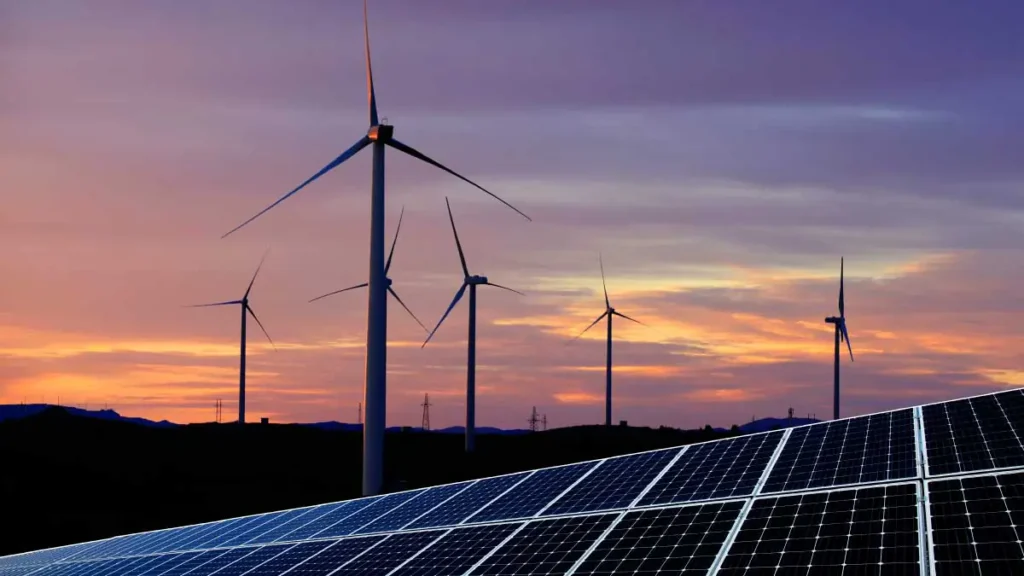
While renewable energy sources offer numerous benefits, they also present challenges, particularly in terms of grid stability. Solar and wind energy are inherently variable, depending on weather conditions and time of day.
To address these challenges, the energy sector is investing in:
Energy Storage Systems:
Battery storage solutions help store excess energy and supply it during periods of low generation.
Hybrid Energy Systems:
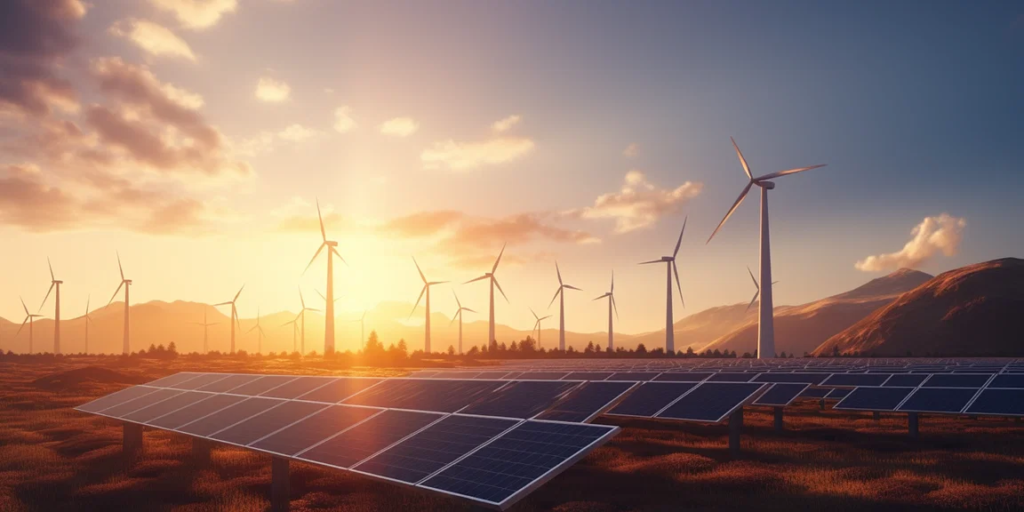
Combining solar, wind, and storage ensures a more balanced and reliable energy output.
Demand Response Mechanisms:
Smart systems adjust energy consumption patterns to match supply, improving grid stability.
These solutions are essential for maintaining a consistent and reliable power supply in a renewable-driven ecosystem.
Economic and Environmental Impact
The shift toward renewable energy sources is not just an environmental necessity; it is also an economic opportunity. Renewable projects create jobs across manufacturing, installation, and maintenance sectors.
In addition, improved Power transmission & distribution infrastructure enhances industrial productivity by ensuring reliable electricity supply. This supports economic growth and attracts investments across industries.
From an environmental perspective, renewable energy significantly reduces greenhouse gas emissions and helps combat climate change. It also decreases dependence on imported fossil fuels, improving energy security.
The Future of Energy Infrastructure
The future of energy infrastructure in India will be defined by innovation, digitalisation, and sustainability. As renewable energy sources continue to expand, the focus will shift toward building smarter and more resilient systems.
Key trends shaping the future include:
Digitalisation of Grids:
Integration of IoT and AI for predictive maintenance and real-time monitoring.
Expansion of Electric Mobility:
Increased demand for electricity will require stronger and more flexible infrastructure.
Decentralised Energy Systems:
Microgrids and distributed generation will play a larger role in energy supply.
Policy and Regulatory Support:
Government initiatives will continue to drive investments in renewable energy and infrastructure.
Powering the Transition with Expertise
As India accelerates its clean energy journey, the role of experienced epc companies becomes even more important. These companies bridge the gap between policy vision and on-ground execution, ensuring that renewable energy projects are delivered efficiently and integrated seamlessly into the grid.
Looking to build future-ready energy infrastructure?
Hartek Group is a trusted epc company in india delivering end-to-end solutions in renewable energy, power systems, and electric power distribution. Visit our website to explore how innovative engineering can power your next project.
Frequently Asked Questions (FAQs)
1. What are renewable energy sources?
Renewable energy sources are forms of energy that are naturally replenished, such as solar, wind, hydro, and biomass.
2. How do renewable energy sources impact Power transmission & distribution?
They introduce decentralised generation, requiring smarter grids and advanced infrastructure to manage energy flow efficiently.
3. What role does an epc company in india play in renewable projects?
EPC companies handle the design, procurement, construction, and commissioning of energy projects, ensuring efficient execution.
4. Why is grid modernisation important for renewable energy?
Modern grids enable real-time monitoring, better load management, and seamless integration of variable renewable energy sources.
5. What challenges are associated with renewable energy integration?
Key challenges include variability in generation, grid stability, and the need for energy storage solutions