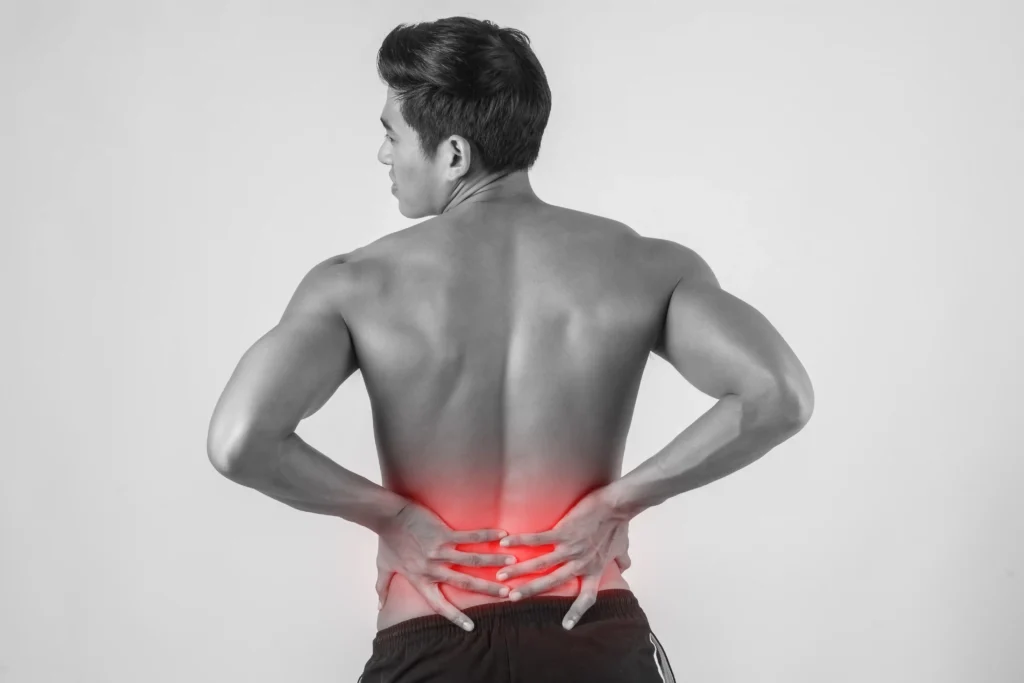

Most people assume back pain is a muscle problem. They reach for a heating pad, take a painkiller, and wait for it to pass. And for many episodes of acute back pain — particularly those triggered by unusual physical activity or awkward posture — this approach is entirely reasonable.
But there is a category of back pain that does not behave like a muscle problem, does not respond to muscle relaxants, and does not resolve with rest. This is nerve-related spine pain — and recognising it early is one of the most important things a patient can do for their long-term spine health.
This guide explains the difference clearly, so you can make informed decisions about when to manage back pain at home and when to see a spine specialist.
Muscle Pain vs Nerve Pain — The Key Differences
Understanding the distinction between muscle-related back pain and nerve-related spine pain changes how you respond to your symptoms — and dramatically affects your outcome.
Muscle pain typically:
- Feels like a dull ache or soreness concentrated in the back
- Is provoked by specific movements and relieved by others
- Improves with rest, heat, and gentle movement within a few days
- Does not radiate below the knee
- Does not cause numbness, tingling, or weakness in the legs
Nerve pain from spinal compression typically:
- Has a shooting, burning, or electric quality
- Radiates from the back into the buttock, leg, or foot
- Includes numbness, tingling, or weakness in the leg or foot
- Is often worse when sitting or when pressure increases — like coughing or sneezing
- Does not fully resolve with rest and may worsen over days or weeks
The presence of any of these nerve symptoms alongside back pain significantly changes the clinical picture — and the appropriate response.
The Most Common Nerve Conditions in the Spine
1. Sciatica From Lumbar Disc Herniation
Sciatica is the most common nerve-related spine symptom. It occurs when a herniated disc in the lower back presses against one of the nerve roots that form the sciatic nerve. The resulting pain travels from the lower back through the buttock and down the leg — often all the way to the foot.
The specific pattern of symptoms reveals which nerve root is affected. Weakness lifting the big toe suggests L5 nerve root involvement. Reduced ankle reflex and calf weakness suggests S1 involvement. These patterns help an experienced spine specialist localise the problem to a specific disc level — often before imaging confirms it.
2. Cervical Radiculopathy — The Neck Version of Sciatica
When a disc herniation or bone spur in the neck compresses a cervical nerve root, it produces arm pain, numbness, and weakness in a specific pattern. This is called cervical radiculopathy — the neck equivalent of sciatica. It is frequently misdiagnosed as a shoulder problem or repetitive strain injury.
Clues that arm pain is coming from the neck include pain that starts in the neck and travels down the arm, weakness of specific hand or arm muscles, and numbness in a specific dermatomal pattern on the hand or forearm.
The Connection Between Inflammatory Disease and Nerve Pain
Not all spinal nerve pain comes from disc problems. Inflammatory spinal conditions — like ankylosing spondylitis — can also produce nerve symptoms through a different mechanism: spinal fusion that narrows the nerve exit zones and creates instability leading to nerve compression.
Ankylosing spondylitis is a chronic inflammatory arthritis that begins in young adulthood and progresses over years if untreated. In its early stages, it presents as inflammatory back pain — morning stiffness, sacroiliac joint pain, and fatigue. In its most advanced stage, the progressive spinal fusion produces a completely rigid spine — a condition radiologists describe as bamboo spine — which carries significant risks including fracture from minor trauma and late nerve compression.
The crucial point is that bamboo spine is preventable. Modern biologic medications, when started early enough in the disease course, can dramatically slow or halt the progression toward spinal fusion. This makes early diagnosis of ankylosing spondylitis one of the most impactful interventions in spine medicine.
What Happens at a Spine Specialist Consultation?
Many patients delay seeing a spine specialist because they are uncertain what the consultation involves. In reality, a comprehensive spine evaluation has a clear, logical structure.
Clinical History
The consultation begins with a detailed account of your symptoms — when they started, how they have evolved, what makes them better or worse, which treatments you have already tried, and whether they affect your ability to work or sleep. This history already provides significant diagnostic information before examination begins.
Neurological Examination
A systematic neurological examination maps your symptoms to specific nerve root levels — testing muscle strength, reflexes, and sensation in specific patterns. This examination often tells the specialist which spinal level is involved with high accuracy before imaging is reviewed.
Imaging Interpretation
MRI is the gold standard for spine investigation — but imaging findings must always be interpreted alongside clinical symptoms. Disc bulges and degenerative changes are extremely common on MRI even in people with no symptoms. A finding on MRI is only clinically significant when it corresponds to the patient’s symptoms and neurological examination findings.
Treatment Planning
In a patient-first consultation, surgery is always the last option discussed, not the first. The vast majority of nerve-related spine problems can be managed effectively without surgery through targeted physiotherapy, appropriate medications, and when needed, spinal injections.
When Conservative Treatment Is Not Enough
For patients whose nerve symptoms are not resolving with conservative care, or whose neurological function is deteriorating, surgical intervention is indicated. Modern spine surgery is vastly less invasive than the procedures patients imagine.
Endoscopic spine surgery — the most advanced minimally invasive approach currently available — allows nerve decompression through a 7-8mm incision with same-day walking in most patients. Microdiscectomy for lumbar disc herniation achieves 90-95% success for leg pain relief with a hospital stay of one to two nights.
Red Flags That Should Never Wait
Certain symptoms alongside back pain require emergency medical evaluation — not a scheduled appointment:
- Loss of bladder or bowel control
- Numbness in the inner thighs or perineum (saddle anaesthesia)
- Rapid progression of leg weakness over hours or days
- Bilateral leg symptoms starting simultaneously
These may indicate cauda equina syndrome — a spinal emergency where prompt surgical decompression prevents permanent neurological damage.
For non-emergency evaluation of back and nerve pain across Delhi and NCR, accessing the best spine specialist in Delhi means getting an accurate diagnosis and a treatment plan built around your specific condition rather than generic back pain management.
Conclusion
The difference between muscle back pain and nerve-related spine pain is not subtle once you know what to look for — and that distinction determines everything about the right treatment approach. Applying muscle pain management to nerve compression consistently fails patients and delays recovery.
