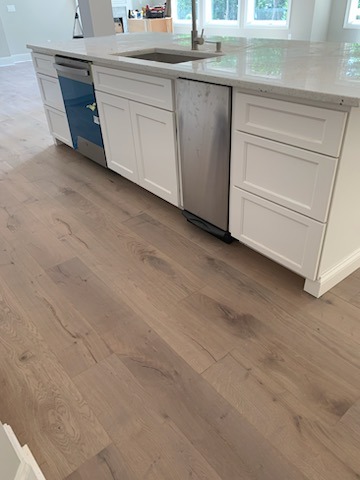

When it comes to upgrading your home, kitchen granite installation is one of the most valuable investments you can make. Not only does granite elevate the aesthetic appeal of your kitchen, but it also adds durability, functionality, and long-term value. Whether you’re renovating or building from scratch, understanding the process of granite installation and overall kitchen installation is essential for achieving flawless results.
In this expert guide, we will walk you through everything you need to know—from planning and material selection to installation techniques and maintenance.
Why Choose Granite for Kitchen Installation?
Granite is a natural stone known for its strength, beauty, and longevity. It is a preferred material in modern kitchen installation due to the following benefits:
- Durability: Resistant to heat, scratches, and stains when properly sealed
- Aesthetic Appeal: Each slab is unique with natural patterns
- Low Maintenance: Easy to clean and maintain
- Value Addition: Increases property resale value
Because of these advantages, kitchen granite installation remains a top choice among homeowners and interior designers.
Planning Your Kitchen Granite Installation
Proper planning is the foundation of a successful granite installation. Before starting, consider the following factors:
1. Budget Planning
Granite comes in a wide range of prices depending on quality, thickness, and origin. Allocate your budget for:
- Material cost
- Fabrication
- Installation labor
- Edge finishing
2. Kitchen Layout
Your kitchen layout plays a critical role in kitchen installation. Ensure accurate measurements for:
- Countertops
- Sink cutouts
- Appliance spaces
3. Choosing the Right Granite
Select granite based on:
- Color and pattern
- Thickness (typically 2 cm or 3 cm)
- Finish (polished, honed, leathered)
Choosing the right slab ensures your kitchen granite installation aligns with your design vision.
Step-by-Step Granite Installation Process
Understanding the installation process helps you make informed decisions and avoid costly mistakes.
1. Measurement and Template Creation
Professionals take precise measurements and create templates for cutting the granite slab. Accuracy is critical in granite installation to ensure a perfect fit.
2. Surface Preparation
Before installing granite:
- Cabinets must be level and sturdy
- Support structures should be in place
- Old countertops must be removed
This step ensures your kitchen installation is structurally sound.
3. Cutting and Fabrication
Granite slabs are cut using specialized tools based on the template. Fabrication includes:
- Sink and faucet cutouts
- Edge profiling
- Polishing
4. Dry Fitting
Before final installation, slabs are placed temporarily to check alignment and fit. This ensures precision in kitchen granite installation.
5. Final Installation
Granite slabs are secured using adhesives and sealants. Seams are joined carefully to maintain a seamless look.
6. Sealing the Granite
Sealing protects the surface from stains and moisture, which is essential for long-lasting granite installation.
Common Mistakes to Avoid in Kitchen Installation
Even small errors can impact the quality of your kitchen granite installation. Avoid these common mistakes:
- Ignoring proper measurements: Leads to poor fitting
- Skipping sealing: Makes granite vulnerable to stains
- Weak cabinet support: Can cause cracks over time
- Poor seam placement: Affects aesthetics
A professional approach to granite installation ensures these issues are avoided.
Cost Breakdown of Granite Installation
The cost of kitchen granite installation depends on multiple factors:
- Material Cost: Premium granite is more expensive
- Labor Charges: Skilled labor ensures quality
- Customization: Edge styles and finishes add to cost
- Transportation: Heavy slabs require careful handling
On average, granite installation can range from moderate to high cost, but the durability justifies the investment.
Maintenance Tips After Granite Installation
To keep your kitchen looking new after kitchen installation, follow these maintenance tips:
- Clean with mild soap and water
- Avoid harsh chemicals
- Reseal granite every 1–2 years
- Use cutting boards to prevent scratches
Proper care enhances the lifespan of your granite installation.
Granite vs Other Countertop Materials
When planning a kitchen installation, it’s important to compare granite with other materials:
Granite vs Quartz
- Granite is natural; quartz is engineered
- Granite requires sealing; quartz does not
Granite vs Marble
- Granite is more durable
- Marble is more prone to scratches
Granite vs Laminate
- Granite is long-lasting
- Laminate is budget-friendly but less durable
Despite alternatives, kitchen granite installation remains a premium choice.
Expert Tips for Perfect Kitchen Granite Installation
To achieve the best results, follow these expert recommendations:
- Always hire experienced professionals
- Inspect slabs before installation
- Choose lighter colors for small kitchens
- Ensure proper lighting to highlight granite patterns
These tips can significantly improve the outcome of your granite installation.
The Role of Professionals in Kitchen Installation
While DIY projects are popular, kitchen granite installation requires expertise. Professionals ensure:
- Accurate measurements
- Safe handling of heavy slabs
- Precision cutting and fitting
- Long-lasting results
Hiring experts minimizes risks and guarantees a flawless kitchen installation.
Latest Trends in Kitchen Granite Installation
Modern kitchens are evolving, and so are granite trends:
- Waterfall countertops
- Matte and leather finishes
- Bold vein patterns
- Integrated sinks
Incorporating these trends can enhance your kitchen installation and give it a contemporary look.
Final Thoughts
Investing in kitchen granite installation is a smart decision for homeowners seeking durability, elegance, and long-term value. From planning and material selection to expert granite installation and maintenance, every step plays a crucial role in achieving a perfect kitchen.
A well-executed kitchen installation not only improves functionality but also transforms your space into a stylish and practical environment. By following expert guidelines and avoiding common mistakes, you can ensure your granite countertops remain beautiful and durable for years to come.