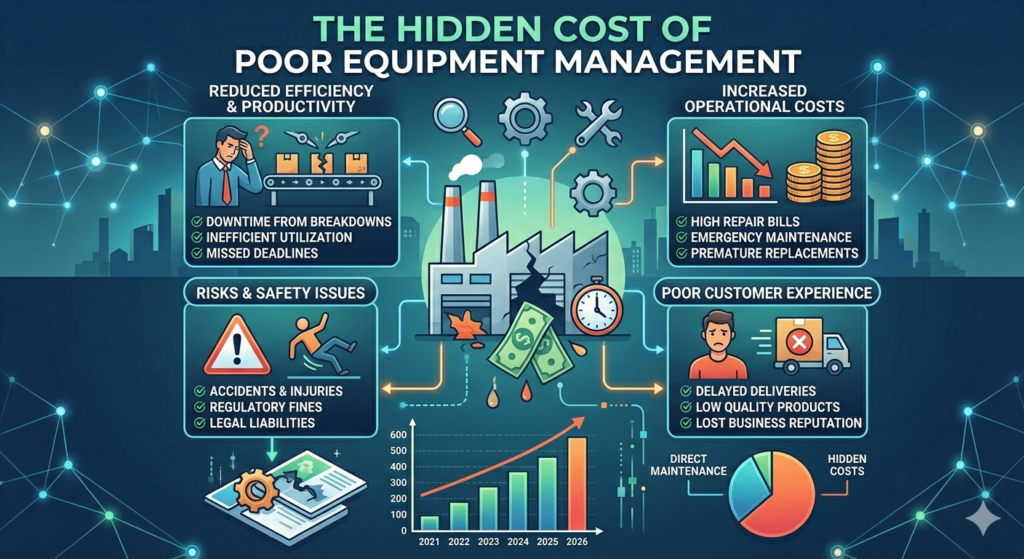

Construction teams rarely notice the real cost of poor equipment management until margins start slipping and deadlines get tight. On the surface, everything looks fine. Machines are running, jobs are moving, and crews stay busy. Dig a little deeper and the cracks begin to show. Idle assets, unexpected breakdowns, fuel waste, and missed timelines quietly drain profitability.
Most contractors focus on visible costs like repairs or rentals. The real damage sits behind the scenes. Inefficiencies stack up day after day, creating a slow leak that affects productivity, safety, and long term growth. This is where construction equipment management software starts to play a critical role, giving teams visibility and control over what is happening across the fleet.
Downtime That Eats Into Profit
Unplanned downtime is one of the most expensive problems in construction. A single machine going offline can stall an entire job site. Crews wait, schedules shift, and deadlines slip. The financial impact compounds quickly.
Poor equipment management often leads to reactive maintenance. Equipment gets fixed only after something breaks. By that point, the cost includes more than just repairs. There is lost labor time, project delays, and sometimes penalties.
Teams that rely on manual tracking or scattered systems struggle to stay ahead of maintenance needs. Without real time data, small issues turn into major failures.
Construction equipment management software helps teams move toward a more controlled approach by:
- Tracking usage hours automatically
- Triggering maintenance schedules based on actual equipment activity
- Flagging potential issues before they escalate
This shift reduces downtime and keeps machines running when they are needed most.
Idle Equipment and Wasted Investment
Many fleets own more equipment than they actually use. Machines sit idle across different job sites while other teams scramble to find available assets. This disconnect creates unnecessary purchases and rental expenses.
Idle equipment represents tied up capital. It is money that could have been invested elsewhere but remains locked in underutilized assets.
Without clear visibility, managers rely on assumptions instead of data. Equipment gets duplicated, misplaced, or forgotten.
With construction equipment management software, teams gain a centralized view of all assets. This allows them to:
- Identify underutilized equipment
- Reallocate machines across job sites
- Reduce unnecessary rentals and purchases
Better utilization directly improves return on investment and reduces capital waste.
Fuel Waste That Goes Unnoticed
Fuel is one of the largest ongoing expenses for any construction fleet. Small inefficiencies can add up to significant losses over time. Poor tracking makes it difficult to understand where fuel is being used and where it is being wasted.
Common issues include:
- Equipment idling for long periods
- Unauthorized usage after hours
- Inefficient operator behavior
Without accurate data, these problems remain hidden. Fuel costs increase without a clear explanation.
Construction equipment management software provides detailed insights into fuel usage patterns. Managers can monitor consumption, identify anomalies, and take action to reduce waste. Over time, this leads to more predictable costs and better control over operating expenses.
Maintenance Chaos and Rising Repair Costs
Maintenance becomes chaotic when there is no structured system in place. Service records are incomplete, inspections are missed, and communication between field and shop teams breaks down.
This lack of coordination results in:
- Increased repair costs
- Shorter equipment lifespan
- Higher risk of major failures
Relying on spreadsheets or paper logs often leads to errors and delays. Information gets lost, and decisions are made without full context.
Construction equipment management software brings maintenance into a single system. Work orders, service history, and inspection data are all tracked in one place. This improves coordination between teams and ensures that nothing slips through the cracks.
A more organized maintenance process extends equipment life and reduces long term costs.
Poor Visibility Across Job Sites
Construction operations are spread across multiple locations. Equipment moves from one site to another, and keeping track of everything becomes a challenge.
Without real time visibility, managers face constant uncertainty:
- Where is a specific piece of equipment?
- Is it being used efficiently?
- Is it available for the next job?
This lack of clarity leads to delays and miscommunication. Decisions take longer, and opportunities are missed.
Construction equipment management software provides real time tracking and status updates. Teams can see where equipment is located, how it is being used, and whether it is available. This level of visibility improves planning and keeps projects moving smoothly.
Safety Risks and Compliance Issues
Poor equipment management can also create safety risks. Missed inspections, overdue maintenance, and lack of proper documentation increase the chances of accidents on site.
Safety incidents carry serious consequences, including:
- Injury to workers
- Project shutdowns
- Legal and regulatory penalties
Compliance becomes difficult when records are incomplete or scattered across different systems. Audits take longer, and important details may be missing.
Construction equipment management software helps maintain accurate records of inspections, maintenance, and usage. This supports compliance efforts and reduces the risk of safety related issues.
A well managed fleet contributes to a safer work environment and protects both workers and the business.
Inefficient Dispatch and Scheduling
Getting the right equipment to the right place at the right time is critical in construction. Poor coordination leads to delays, confusion, and wasted resources.
Dispatch teams often rely on phone calls, emails, or manual logs to manage equipment movement. This approach creates gaps in communication and increases the likelihood of errors.
Common challenges include:
- Double booking equipment
- Sending the wrong machine to a job site
- Delays in mobilization
Construction equipment management software streamlines dispatch and scheduling by providing a clear overview of equipment availability and location. Teams can plan more effectively and reduce unnecessary movement.
This improves efficiency and ensures that projects stay on track.
Data Silos That Limit Decision Making
Many construction companies operate with disconnected systems. Telematics data, maintenance records, and project information exist in separate platforms. This creates data silos that limit visibility and slow down decision making.
Managers spend time gathering information from multiple sources instead of focusing on strategic decisions. Important insights get missed, and opportunities for improvement are overlooked.
Construction equipment management software brings these data points together into a single platform. This unified view allows teams to analyze performance, identify trends, and make informed decisions.
Better data leads to better outcomes across the entire operation.
The Competitive Gap
Construction is becoming more data driven. Companies that embrace technology gain a clear advantage over those that rely on outdated processes.
Poor equipment management creates a gap that competitors can quickly exploit. Faster projects, lower costs, and better resource utilization set leading companies apart.
Adopting construction equipment management software is no longer a luxury. It has become a necessary step for staying competitive in a demanding industry.
Moving Toward Smarter Equipment Management
Improving equipment management starts with understanding where the gaps exist. Hidden costs often go unnoticed because they are spread across different areas of the operation. When combined, they have a significant impact on profitability.
A more structured approach includes:
- Centralizing equipment data in one system
- Automating maintenance and tracking processes
- Gaining real time visibility across all job sites
Construction equipment management software supports these efforts by providing the tools needed to manage equipment more effectively. It helps teams move from reactive decisions to a more controlled and informed approach.
Final Thoughts
The cost of poor equipment management is rarely obvious at first glance. It builds over time through downtime, inefficiencies, and missed opportunities. These hidden costs can quietly erode profits and limit growth.
Addressing these challenges requires a shift in how equipment is tracked, maintained, and utilized. With the right systems in place, construction teams can gain better control over their operations and improve overall performance.
Construction equipment management software plays a key role in this transformation. It brings clarity to complex operations and helps teams make decisions with confidence.
