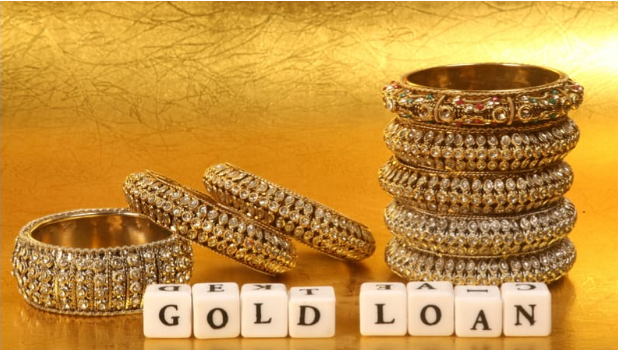

A jewel loan, often referred to as a gold loan, is a popular form of borrowing that has provided individuals and farmers with easy access to funds during urgent financial situations. This loan is secured by pledging gold jewelry or other gold assets as collateral, making it a convenient option for those looking for quick financial relief without the burdensome paperwork and lengthy approval process often associated with traditional loans. However, before availing a jewel loan, borrowers must familiarize themselves with the advantages and potential risks to make an informed financial decision.
What is a Jewel Loan?
A jewel loan, also termed as a gold loan, is a type of secured loan that allows borrowers to pledge their gold ornaments, coins, or jewelry with a bank or financial institution in exchange for a loan amount. The valuation of the gold determines how much loan can be sanctioned. Jewel loans have gained immense popularity in urban and rural areas, particularly among farmers and small-scale business owners, as these loans provide immediate liquidity for personal and professional needs.
Advantages of Jewel Loans:
1. Quick Disbursal of Funds:
One of the biggest advantages of a jewel loan is its fast approval process. Unlike other financing options, jewel loans require minimal documentation because gold serves as collateral. Borrowers can receive funds on the same day, making it an ideal solution during financial emergencies.
2. High Loan-To-Value Ratio (LTV):
Financial institutions typically sanction loans up to 75-90% of the pledged gold’s current market value. This high loan-to-value ratio ensures that borrowers can access a significant amount of funds, depending on the value of their gold assets.
3. No Credit History Requirements:
A jewel loan is a great option for individuals or farmers who lack a credit history or have a low credit score. Since the loan is backed by collateral, lenders focus primarily on the value of the gold pledged, rather than the borrower’s financial background.
4. Flexible Repayment Options:
Gold loans offer borrowers the flexibility to choose repayment methods that suit their circumstances. Borrowers can opt for monthly EMI payments or make lump-sum payments of both principal and interest at the end of the loan tenure. This flexibility makes jewel loans accessible to farmers and small business owners with irregular income streams.
5. Lower Interest Rates Compared to Unsecured Loans:
Because jewel loans are secured by collateral, lenders tend to offer lower interest rates compared to unsecured loans such as personal loans or credit cards. This makes gold loans a cost-effective borrowing option for both urban and rural borrowers.
6. Accessible to Farmers:
Farmers often struggle with financial issues due to unpredictable harvest cycles or adverse agricultural conditions. Jewel loans offer them a lifeline by giving immediate funds for seeds, fertilizers, irrigation, or other farming-related expenses. With gold jewelry being a common asset in rural households, this type of loan fits their needs perfectly.
7. No Usage Restrictions:
Unlike many other loans—such as home loans or auto loans—that restrict borrowers to specific uses, jewel loans come with the freedom to utilize the funds for any purpose. Borrowers can address medical emergencies, fund education, invest in their business, or even pay off previous debts.
8. Security of Gold Assets:
When gold is pledged as collateral, it is securely stored in a bank’s vault or locker facilities until the loan is repaid. Borrowers can feel reassured knowing that their assets are safely guarded by the lending institution.
9. Easier Access for Rural Borrowers:
Gold loans and jewel loans have become increasingly accessible for rural borrowers due to the presence of financial institutions in semi-urban and rural areas. Farmers often find jewel loans suitable to meet their short-term and seasonal needs without much hassle.
Risks Borrowers Should Be Aware Of:
While gold loans provide a plethora of benefits, potential risks and drawbacks should not be overlooked. These risks can impact borrowers if they fail to plan carefully or manage their repayments responsibly.
1. Risk of Losing Gold Collateral:
The greatest risk of taking out a jewel loan lies in the possibility of losing the pledged gold if the borrower fails to repay the loan within the stipulated tenure. Lenders have the legal right to auction the collateralized gold to recover the outstanding amount. This could lead to an emotional and financial setback for borrowers, especially if the gold has sentimental or ancestral value.
2. High Interest Rates for Extended Tenures:
Although jewel loans offer lower interest rates compared to unsecured options, the interest rate can still be relatively high for loans with longer tenures. Borrowers must evaluate their repayment capabilities to ensure that the accumulated interest does not exceed their expectations.
3. Margins Applied on Gold Valuation:
While financial institutions base loan approval on the market value of gold, they often apply a margin, reducing the eligible loan amount to safeguard their interests. Borrowers expecting the full value of their collateral might face disappointment if they receive only a portion of what they anticipated.
4. Potential Charges and Fees:
Although the gold loan process is quick, borrowers should be aware of potential hidden charges, processing fees, valuation charges, and additional penalties that could arise during loan disbursal or repayment. Carefully reviewing the terms and conditions is vital to avoid surprises down the road.
5. Short Repayment Tenure:
Gold loan repayment periods are typically shorter compared to other loans, ranging from 6 months to 36 months. Borrowers who fail to repay within the time limit risk losing their gold and may also be liable to pay additional penalties.
6. Fluctuation in Gold Prices:
The value of gold fluctuates based on market trends, global economic conditions, and currency variations. If the gold price drops sharply during the loan tenure, lenders may ask borrowers to pledge additional gold or pay off part of the loan immediately to maintain the agreed loan-to-value ratio.
7. Risk of Over-Borrowing:
Because gold loans involve simplified documentation and rapid disbursal, some borrowers may be tempted to avail multiple loans or borrow more than they need. However, over-borrowing can lead to financial strain and repayment challenges.
8. Limited Loan Amount for Farmers with Low Gold Assets:
Farmers in rural areas may not possess significant amounts of gold jewelry to pledge, thereby limiting the loan they can access. This can be a drawback for borrowers in agricultural communities who require larger funds to meet critical needs.
Tips for Borrowers Applying for Jewel Loans:
1. Understand Loan Terms & Conditions:
Before taking out a jewel loan, read the fine print to understand the interest rates, associated fees, penalties, repayment schedule, and the consequences of non-repayment.
2. Avoid Over-Borrowing:
Borrow only the amount you need and can repay. Taking more than necessary may lead to unnecessary financial strain.
3. Evaluate Your Repayment Capacity:
Assess your financial situation and income sources to ensure you can repay the loan comfortably within the tenure.
4. Compare Interest Rates:
Shop around to find lenders offering the most competitive interest rates. Many banks and NBFCs have different rates and terms, so choose the one that best suits your needs.
5. Ask About Safe Storage:
Ensure that the lender provides secure storage of your pledged gold. Verify whether your gold will be insured during the tenure.
6. Avoid Long Tenures Unless Necessary:
Extend the loan tenure cautiously, as longer durations accumulate more interest, ultimately increasing your repayment amount.
Conclusion:
Jewel loans or gold loans are undoubtedly one of the simplest and quickest borrowing options available today, especially for individuals and farmers who require immediate liquidity. With flexible repayment options, low-interest rates, and accessible funds, these loans cater to a wide range of financial needs. However, borrowers must remain cautious, considering risks such as the loss of gold collateral, high accumulated interest, and hidden charges.
To benefit fully from taking a jewel loan, borrowers should thoroughly assess their repayment capacity, compare lenders, and read the terms and conditions carefully. For farmers, jewel loans can act as a vital financial lifeline during crucial agricultural cycles, but the decision to borrow must always align with sound financial planning. When managed responsibly, jewel loans can solve financial challenges without compromising precious and sentimental assets.
