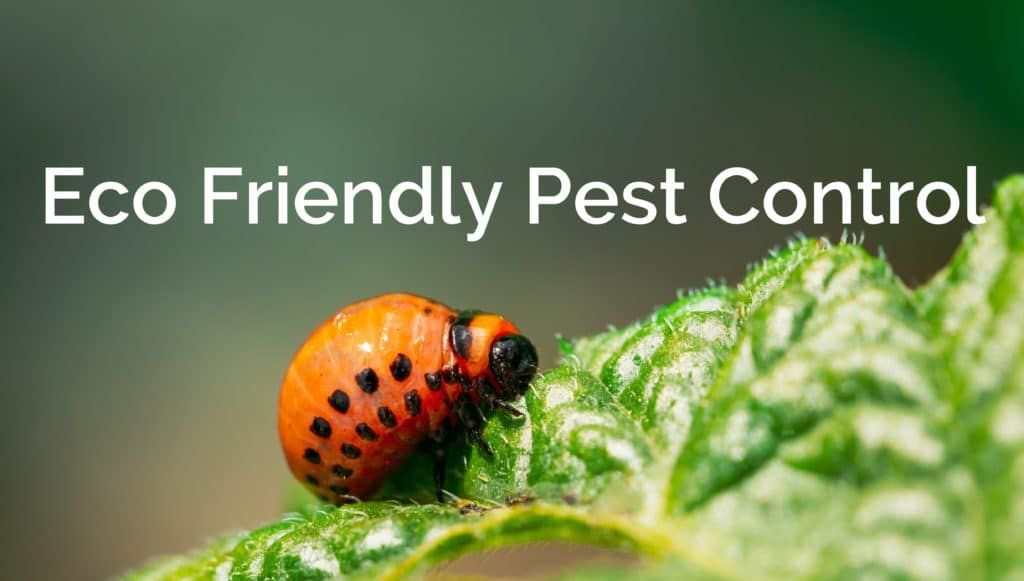

Maintaining a pest-free home doesn’t have to come at the cost of harming the environment. Today, more homeowners are turning toward eco friendly pest control solutions that are not only effective but also safe for their families, pets, and surroundings. Unlike traditional chemical-based treatments, green pest control methods focus on prevention, natural deterrents, and sustainable practices.
Whether you live in a compact apartment or a large house, these environmentally friendly techniques can help you manage and prevent pest infestations. From routine inspections to natural repellents, here are ten proven eco-friendly pest control solutions that actually work.
1. Regular Apartment Inspection
The foundation of effective pest control begins with regular inspections. Carefully examining your home for cracks, gaps, and hidden entry points can prevent pests from entering in the first place. Pay attention to areas like windows, doors, kitchen cabinets, and plumbing lines.
Routine inspections help detect early signs of infestations, allowing you to take action before the problem worsens. This proactive approach reduces reliance on chemical treatments and keeps your home naturally protected.
2. Natural Moth Control Services
Moths can quietly damage clothes, carpets, and stored fabrics. Instead of using chemical mothballs, opt for natural repellents such as cedarwood, lavender, or neem. These plant-based solutions are highly effective and leave a pleasant scent.
You can place cedar blocks in closets, use lavender sachets in drawers, or spray diluted neem oil in storage areas. These methods protect your belongings without exposing your home to toxic substances.
3. Eco-Friendly Termite Control and Inspection
Termites are among the most destructive household pests, capable of causing severe structural damage. Fortunately, eco-friendly termite control methods are available.
Options such as baiting systems, beneficial nematodes, and plant-based sprays can help eliminate termites without harming the environment. Regular inspections are essential for early detection, ensuring that infestations are managed before they become costly problems.
4. Diatomaceous Earth for Insects
Diatomaceous earth is a natural, powdery substance made from fossilized algae. It works by dehydrating insects like ants, cockroaches, and fleas, effectively killing them without chemicals.
Sprinkle it in areas where pests are commonly found, such as under sinks, along baseboards, and in cracks. It is safe for humans and pets when used correctly, making it an excellent alternative to chemical insecticides.
5. Essential Oils as Natural Repellents
Essential oils are a powerful and natural way to repel pests. Oils like peppermint, eucalyptus, tea tree, and citronella are known to deter insects such as ants, mosquitoes, and spiders.
You can create a simple spray by mixing a few drops of essential oil with water and spraying it around doors, windows, and other entry points. This method works well for prevention and for controlling minor infestations while keeping your home smelling fresh.
6. Sticky Traps and Physical Barriers
Sometimes, the simplest methods are the most effective. Sticky traps are a chemical-free way to capture insects, while physical barriers like mesh screens and door seals prevent pests from entering your home.
These tools not only help control pest populations but also allow you to monitor the severity of infestations. Knowing what types of pests are present can guide you in choosing the most effective eco-friendly solution.
7. Maintain Cleanliness
A clean home is one of the strongest defenses against pests. Food crumbs, spills, and clutter attract insects and rodents, providing them with both food and shelter.
Regular cleaning, proper garbage disposal, and storing food in sealed containers can significantly reduce the chances of infestation. Vacuuming frequently and keeping kitchens and dining areas spotless are especially important.
8. Biological Control Methods
Biological pest control involves using natural predators to manage pest populations. For example, ladybugs can control aphids, while beneficial nematodes can target soil-dwelling pests.
This method is particularly effective for gardens and indoor plants. It supports the natural ecosystem and eliminates the need for chemical pesticides, making it a sustainable long-term solution.
9. Proper Drainage and Ventilation
Moisture is a major attraction for many pests, including mosquitoes, cockroaches, and termites. Standing water, leaks, and poorly ventilated areas create ideal breeding conditions.
Ensure proper drainage around your home, fix leaks promptly, and ventilate bathrooms and kitchens effectively. Reducing moisture not only prevents pest infestations but also improves overall indoor air quality.
10. Integrated Pest Management (IPM)
Integrated Pest Management (IPM) is a comprehensive approach that combines multiple eco-friendly strategies. It includes regular inspections, monitoring pest activity, using natural repellents, and applying biological controls when necessary.
IPM focuses on long-term prevention rather than quick fixes. Addressing the root causes of infestations, it minimizes the need for chemical interventions and ensures sustainable pest control.
Conclusion
Eco-friendly pest control solutions are not just a trend—they are a responsible and effective way to protect your home. By combining methods like regular inspections, natural repellents, biological control, and proper maintenance, you can keep pests at bay without harming the environment.
Small changes, such as using essential oils, maintaining cleanliness, and improving ventilation, can make a significant difference. These strategies not only safeguard your living space but also contribute to a healthier planet.
Choosing green pest control methods gives you peace of mind, knowing that your home is safe for your family, pets, and future generations.
FAQs
Q1: Are eco-friendly pest solutions really effective?
Yes, eco-friendly methods are highly effective when used correctly. They may require consistency and patience but provide long-term results without harmful side effects.
Q2: How often should I inspect my apartment for pests?
It’s recommended to conduct a thorough inspection at least twice a year or immediately after noticing any signs of pest activity.
Q3: Can termites be controlled without chemicals?
Yes, termites can be managed using eco-friendly methods like bait systems, beneficial nematodes, and non-toxic treatments.
Q4: Are natural moth repellents safe for clothes?
Absolutely. Natural options like cedarwood, lavender, and neem are safe for fabrics and do not cause damage or staining.