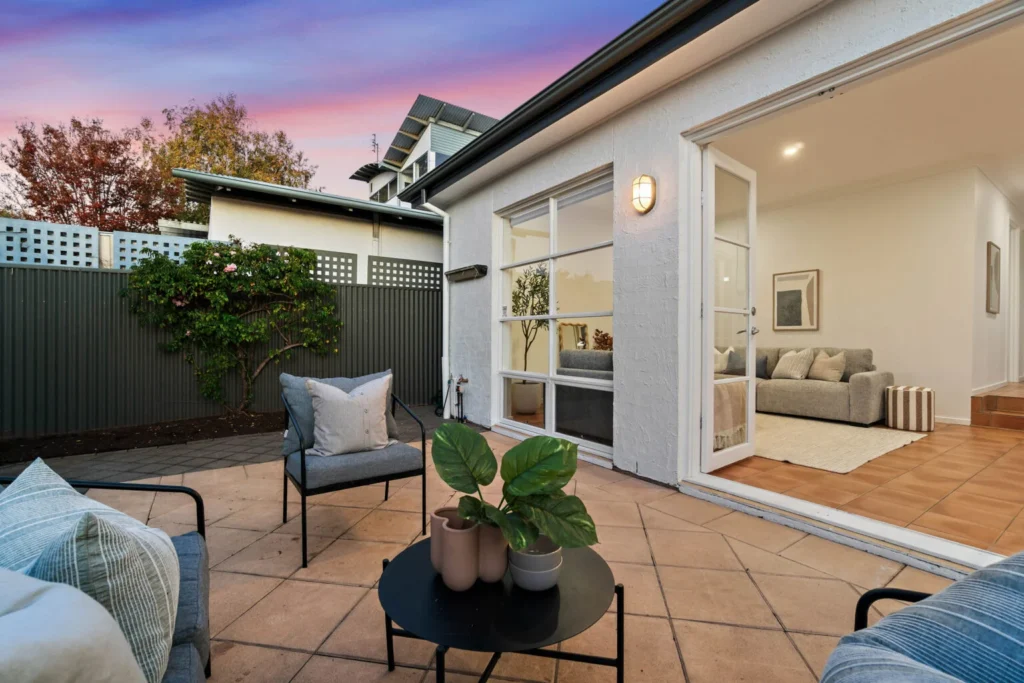

In today’s competitive real estate market, high-quality photography can make or break a property listing. Stunning visuals not only capture attention but also convey the property’s value instantly. Investing in proper real estate photography techniques ensures that your listings stand out on platforms like Zillow, Realtor.com, or local MLS services. From lighting strategies to composition tips, capturing the essence of a home requires a blend of technical skill and creative vision. Using modern equipment and understanding post-processing can dramatically improve your images. Professionals emphasize the importance of storytelling through images, ensuring each photo highlights the property’s unique selling points. This article will guide you through actionable tips to boost your property photography skills. Incorporating these insights will help you attract more buyers and sell properties faster. Let’s dive into the key strategies for effective real estate photography.
1. Understand Your Equipment Inside Out
Mastering your camera and lenses is the foundation of professional real estate photography. Whether you’re using a DSLR, mirrorless camera, or even a high-quality smartphone, knowing your device’s capabilities is crucial. Understanding aperture, shutter speed, and ISO allows you to capture sharp, well-lit photos in any lighting condition. Wide-angle lenses are often ideal for property interiors, making rooms appear more spacious and inviting. Tripods are indispensable for stability, especially in low-light situations where longer exposures are needed. Also, familiarize yourself with real estate photography software and apps for quick adjustments. Knowing your gear ensures consistency across your portfolio, which builds credibility. Regular practice with different equipment setups will make you more versatile in capturing diverse property styles. Ultimately, skillful use of your camera will translate into more appealing listings.
2. Prioritize Natural Lighting
Natural light is your best friend in real estate photography. Shooting during the golden hours—early morning or late afternoon—enhances the warmth and depth of interiors. Avoid harsh midday sunlight that can cast strong shadows or create overexposed areas. Open curtains and blinds fully to maximize light, and turn off artificial lights that may cause color imbalance. Reflective surfaces can amplify natural light, making spaces appear brighter. Use light diffusers or sheer curtains to soften intense sunlight when necessary. For exterior shots, cloudy days often provide even lighting, avoiding glare and harsh contrasts. Remember, balanced lighting not only improves image quality but also conveys a sense of space and comfort to potential buyers. Professionals often take multiple shots at different times to ensure perfect lighting. Proper light management significantly boosts property appeal online.
3. Compose with Care
Composition plays a critical role in showcasing a home’s features. Techniques like the rule of thirds, leading lines, and symmetry guide the viewer’s eye toward focal points. Always declutter rooms before shooting to avoid distractions that diminish visual impact. Highlight architectural details such as crown molding, fireplaces, or built-in shelving. Angles matter—shoot from corners to maximize the sense of space, and maintain consistent horizon lines to avoid distorted perspectives. Capture multiple perspectives of each room to give buyers a complete view. Avoid extreme wide-angle distortion that can make rooms look unnatural. Thoughtful composition ensures every photo tells a story and emphasizes the property’s strengths. Consistency in framing across listings creates a professional and polished appearance. This approach attracts more engagement and increases potential inquiries.
4. Stage the Property for Maximum Appeal
Staging is essential for making spaces look inviting and functional. Arrange furniture to highlight flow and usable space while keeping pathways clear. Add subtle décor elements such as fresh flowers, rugs, and artwork for warmth without overwhelming the room. Neutral color schemes appeal to the broadest audience and allow buyers to visualize themselves in the space. Ensure every surface is clean and free of clutter; small details like polished countertops and neatly arranged pillows matter. Proper staging can make even modest properties appear luxurious and spacious. Professional real estate photographers often collaborate with stagers to optimize visual storytelling. Highlighting key lifestyle aspects, like cozy reading nooks or open kitchen layouts, increases emotional appeal. Well-staged interiors create images that resonate with buyers immediately. The goal is to make every shot market-ready and aspirational.
5. Master Exterior Shots
Exterior photography sets the first impression for potential buyers. Capture the home from multiple angles, emphasizing curb appeal and landscaping. Include wide shots showing the property in context with its surroundings, like gardens, pools, or nearby parks. Avoid shooting directly into the sun; backlighting can obscure details. Pay attention to minor details like tidy lawns, trimmed hedges, and clean driveways. Consider aerial drone photography to showcase large properties or unique layouts. Seasonal considerations are also important—shooting in spring or summer highlights greenery, while winter shots may emphasize cozy interiors. Exterior images should complement interior photos, giving a holistic view of the property. By investing time in capturing well-lit, thoughtfully framed exteriors, you create a strong first impression online. Remember, buyers often decide whether to tour based on the exterior image alone.
6. Focus on Key Rooms
Certain rooms, like kitchens, living areas, and master bedrooms, are often deal-makers in real estate. Highlight kitchens with clean countertops, organized cabinets, and natural light on appliances. Living rooms should appear spacious, cozy, and uncluttered. Master bedrooms benefit from inviting bedding, symmetry, and minimal distractions. Bathrooms gain appeal through sparkling fixtures, mirrors that enhance light, and organized vanities. Don’t overlook small details like lighting fixtures, textures, and finishes—they add depth and quality perception. Capture each room from multiple angles to provide a complete visual experience. Prioritize areas that influence a buyer’s emotional connection with the home. Well-photographed key rooms can dramatically increase interest and showings. Ultimately, these images help buyers imagine living in the space.
7. Edit Photos Professionally
Post-processing elevates real estate photography from good to exceptional. Adjust brightness, contrast, and color balance to ensure images look natural and inviting. Correct lens distortion and straighten lines to maintain architectural accuracy. Remove minor imperfections like dirt, shadows, or clutter digitally to enhance visual appeal. HDR (High Dynamic Range) techniques can help balance indoor and outdoor exposure. Consistency across images maintains a professional standard that builds trust with potential buyers. Avoid over-editing, which can misrepresent the property and lead to disappointed visitors. Subtle enhancements make photos more eye-catching without compromising authenticity. Investing time in professional editing software or hiring experienced editors is worthwhile. High-quality images significantly improve click-through rates on listings and attract serious buyers.
9. Take Action: Boost Your Real Estate Photography
Now that you’ve learned essential tips to elevate your property listings, it’s time to implement them. Professional real estate photography transforms how potential buyers perceive your listings and accelerates sales. Investing in quality equipment, mastering lighting, staging effectively, and editing professionally are proven strategies. If you’re looking for expert guidance or a full-service photography solution, visit Async Studio for professional support. Their team specializes in property photography that highlights every unique feature of your home. Don’t settle for ordinary photos when exceptional imagery can make a difference. Start capturing stunning listings today and watch your properties attract more attention. Make the move to professional-grade photography and elevate your real estate business.
10. Essential Real Estate Photography Tips Checklist
Creating stunning property photos requires attention to multiple details. Here’s a quick checklist to ensure nothing is overlooked:
- Declutter Every Room: Remove personal items, excess furniture, and distractions to make spaces look spacious and neutral.
- Use Wide-Angle Lenses: Capture more of the room in each shot to give buyers a sense of space.
- Shoot at the Right Time: Golden hour or overcast conditions provide balanced, flattering natural light.
- Stabilize Your Camera: Always use a tripod for sharp, professional-looking images.
- Stage Strategically: Highlight key features like fireplaces, kitchens, and master bedrooms.
- Mind Your Angles: Shoot from corners and slightly higher perspectives for depth and dimension.
- Edit Carefully: Adjust exposure, color balance, and remove minor imperfections without overdoing it.
- Include Outdoor Shots: Showcase landscaping, curb appeal, and unique property features.
- Maintain Consistency: Ensure similar style, framing, and lighting across all images for a polished portfolio.
Following this checklist ensures your real estate photography is comprehensive, professional, and buyer-ready. It’s a practical guide to elevate every property listing while maximizing engagement online.
Conclusion: Transform Your Listings with Professional Photography
High-quality real estate photography is no longer optional—it’s essential for attracting serious buyers and selling properties faster. By mastering your equipment, leveraging natural light, staging strategically, and editing professionally, you can make every listing visually compelling. Remember to focus on key rooms, capture exterior shots with care, and present images effectively across digital platforms. Using checklists and consistent techniques ensures that each photo highlights a property’s unique selling points and creates a strong emotional connection with potential buyers. Investing in professional photography not only elevates your listings but also strengthens your brand as a trusted real estate professional. Take action today to implement these tips, and watch your property photos stand out in a crowded market. For expert support and full-service real estate photography solutions, visitAsync Studio and start transforming your listings now.