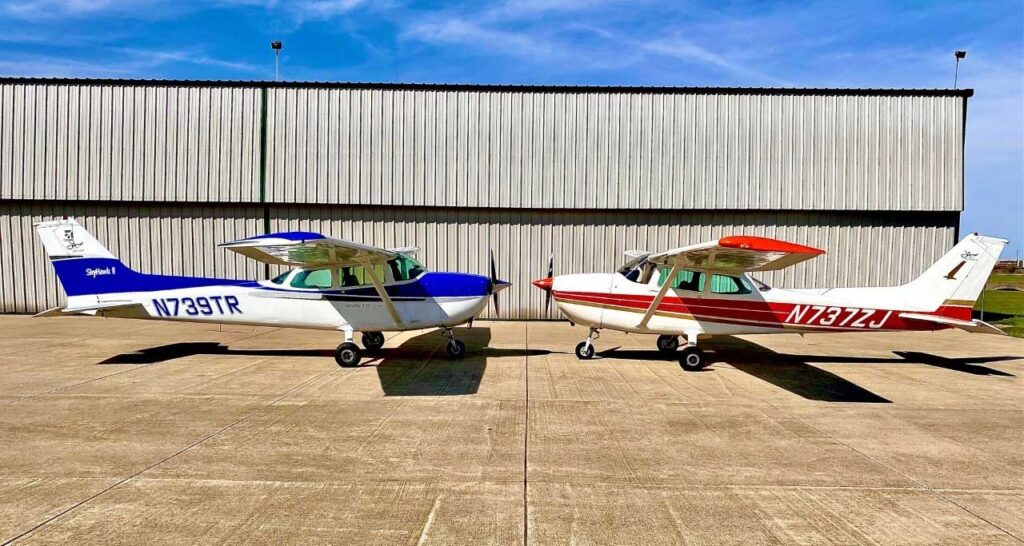

The dream of flight has always been tethered to the reality of the balance sheet. For decades, the barrier to entry for aspiring pilots and weekend travelers was a complex web of high ownership costs and restrictive hangar availability. However, as we move through 2026, the aviation industry is undergoing a digital and mechanical renaissance. The “sharing economy” has finally matured in the cockpit, transforming how we perceive utility, training, and the economics of the sky.
Whether you are a student pilot looking to build hours or a business traveler seeking to bypass the congestion of commercial hubs, the current market offers more flexibility than ever before. But with new technology—from electric propulsion to advanced glass cockpits—comes a new set of variables that every modern aviator must understand.
Understanding the Variables of Aircraft Rental Cost in 2026
The question “How much does it cost to fly?” no longer has a single-digit answer. In 2026, aircraft rental cost is dictated by a data-driven model that accounts for more than just the “wet” or “dry” hourly rate.
We are seeing a shift toward dynamic pricing, similar to other transportation sectors, where peak demand periods and airframe efficiency play a significant role.
Factors Influencing Your Hourly Rate
- Propulsion Type: With the integration of hybrid-electric powerplants into rental fleets, pilots can often find lower hourly rates for short-range missions, as energy costs are significantly lower than traditional Avgas.
- Avionics Suite: A Cessna 172 with a legacy steam-gauge panel will naturally cost less than one equipped with the latest G3000 integrated flight deck and synthetic vision.
- Insurance Premiums: In 2026, insurance remains a primary driver of cost. Renters with high-resolution digital logbooks and recent “proficiency spikes” often qualify for discounted rates through telematics-based insurance programs.
The Modern Fleet: Selecting the Right Pilot Training Aircraft
For those entering the cockpit for the first time, the choice of a pilot training aircraft is the most critical decision in their aeronautical journey. The industry has moved away from aging 1970s trainers in favor of “Next-Gen” platforms designed for safety and rapid skill acquisition.
Trends in Flight Instruction Technology
- Composite Airframes: Modern trainers like the Diamond DA40 or the latest Sling High Wing offer better fuel economy and a higher safety margin due to their crashworthy cockpit cells.
- The “Glass-First” Approach: While the debate between “stick and rudder” and “automation” continues, 2026 flight schools prioritize glass cockpits to prepare students for the reality of commercial flight decks.
- Sustainable Aviation Fuel (SAF): Many training centers are now exclusively using SAF-compatible engines, allowing students to build hours while reducing their carbon footprint—a growing priority for the new generation of aviators.
Elevating the Experience with Vision Aviation
Finding a reliable partner in this high-stakes environment is paramount. This is where Vision Aviation has carved out a niche by focusing on the intersection of premium maintenance and transparent pricing.
In a market often bogged down by hidden surcharges and “membership fees,” having access to a fleet that is maintained to a higher standard than the minimum FAA requirement is a game-changer. By aligning with a provider that treats every rental airframe like a primary business tool, pilots can focus on the mission—be it a cross-country checkride or a family getaway—rather than the logistics of maintenance logs.
The Rise of Electric and Hybrid Trainers
One of the most exciting developments in 2026 is the widespread adoption of all-electric trainers for the initial “private pilot” phase. These aircraft offer a unique value proposition for schools and students alike.
- Noise Abatement: Electric trainers are significantly quieter, allowing flight schools to operate in noise-sensitive urban areas with fewer restrictions.
- Lower Operating Costs: With fewer moving parts and no liquid fuel, the maintenance interval on electric motors is vastly superior to traditional reciprocating engines.
- Direct Response: Pilots training on electric platforms benefit from instantaneous power response, which is particularly helpful during touch-and-go practice.
Maximizing Your Flight Hours: A Strategic Approach
To get the most out of your aviation budget, you must be a strategic consumer. Here is how seasoned pilots are managing their time in 2026:
- Block Time Purchasing: Buying hours in 50 or 100-hour blocks remains the most effective way to lower your per-hour expenditure.
- Off-Peak Proficiency: Scheduling maneuvers and “pattern work” during Tuesday-Thursday windows can often result in lower rates and less air traffic congestion.
- Sim-to-Flight Ratio: Utilizing high-fidelity, certified flight simulators for 20% of your training can save thousands of dollars while sharpening emergency procedures that are too risky to practice in the air.
Key Takeaway
The aviation world of 2026 is defined by transparency and technology. By understanding the nuances of aircraft rental cost and selecting a high-performance pilot training aircraft, you can navigate the skies efficiently. Success lies in choosing a provider that prioritizes the latest safety tech and offers a clear, data-backed pricing structure.
FAQs
1. Is “wet” rental still the standard in 2026?
While many schools still offer “wet” rates (including fuel), the trend is shifting toward “dry” rates + a fluctuating fuel surcharge. This allows pilots to benefit directly if they practice fuel-efficient leaning techniques or use airports with cheaper SAF/Avgas.
2. Can I use a rental aircraft for international cross-country flights?
Yes, but it usually requires a specific insurance rider and prior approval from the fleet manager. Most 2026 rental agreements allow for travel within 500 miles of the home base without additional paperwork.
3. Why is the cost of training aircraft increasing?
The initial purchase price of 2026-model aircraft is higher due to advanced safety features like whole-airframe parachutes and AI-assisted landing systems. However, these systems often lower insurance costs and increase aircraft availability.
4. How do I know if a rental fleet is well-maintained?
Always ask for the digital maintenance tracking log. A reputable provider will allow you to see the real-time status of the 100-hour and annual inspections via an app before you even arrive at the hangar.
5. Does Vision Aviation offer multi-engine trainers?
Yes, most premium providers now offer light-twin trainers equipped with full FADEC (Full Authority Digital Engine Control), which simplifies engine management and allows students to focus on multi-engine aerodynamics.