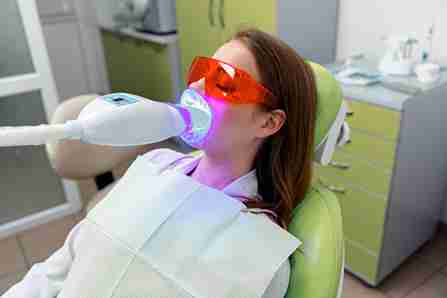

Orthodontic care is evolving rapidly, driven by advancements that prioritise accuracy, efficiency, and patient comfort. Among these innovations, digital impressions stand out as a transformative development. By replacing traditional mould based methods, digital technology is reshaping how orthodontic cases are assessed, planned, and delivered. This shift is not just about convenience; it reflects a broader move towards more predictable outcomes and streamlined workflows. Understanding how digital impressions are changing orthodontic cases today reveals why they are becoming an essential part of modern dental care.
Understanding Digital Impressions
Digital impressions are created using intraoral scanners that capture detailed, three dimensional images of the teeth and surrounding structures. A small handheld device is moved across the mouth, recording precise anatomical data in real time.Unlike traditional impression trays, this process is clean and minimally invasive. The digital models can be reviewed instantly, adjusted if needed, and saved electronically. These scans form the foundation for treatment planning, appliance design, and case submission, offering a faster and more accurate alternative to physical impressions.
Challenges with Traditional Orthodontic Impressions
Although traditional impressions were once the standard, they present several limitations that can affect both patients and clinicians.
Common challenges include:
- Discomfort and gag reflex issues
- Risk of distortion due to movement or material shrinkage
- Longer appointment times and frequent retakes
- Physical storage and transport of models
Such inefficiencies can delay treatment and increase costs. These drawbacks have prompted many practices to adopt digital solutions that better support modern orthodontic demands.
How Digital Impressions Are Transforming Orthodontic Cases
1. Improved Accuracy and Treatment Planning
Digital impressions provide exceptional precision, capturing fine details that are often missed with traditional methods. This accuracy supports better diagnosis and more reliable treatment plans.
Benefits include:
- Precise tooth positioning data
- Improved predictability of outcomes
- Reduced need for adjustments
Accurate digital models are particularly valuable in complex cases where small discrepancies can affect overall results.
2. Faster Case Submission and Workflow Efficiency
One of the most impactful changes digital impressions bring is speed. Once a scan is completed, it can be sent instantly to laboratories or appliance manufacturers.
Key advantages:
- No shipping delays
- Immediate case review
- Faster appliance production
For time sensitive cases, including referrals coordinated through an emergency dentist in Dundee, digital files allow swift action and continuity of care.
3. Enhanced Patient Comfort and Experience
Patient experience has improved significantly with the introduction of digital impressions. The scanning process is quick, comfortable, and far less intrusive.
Patients appreciate:
- No messy impression materials
- Reduced anxiety during appointments
- Shorter chair time
This is especially beneficial for children, elderly patients, and those with heightened sensitivity or dental anxiety.
4. Better Communication Between Professionals
Digital impressions improve collaboration between orthodontists, laboratories, and other dental professionals. High quality visuals make it easier to communicate treatment goals and expectations.
Professionals can:
- Share scans instantly
- Collaborate remotely with specialists
- Provide visual explanations to patients
This level of transparency builds trust and ensures everyone involved in the case is aligned.
Role of Digital Impressions in Modern Orthodontic Appliances
Digital impressions play a central role in designing today’s orthodontic appliances. Whether for braces, aligners, or retainers, digital data ensures a precise fit tailored to the individual.
Key contributions include:
- Accurate appliance fabrication
- Reduced fitting issues
- Improved comfort and effectiveness
Practices working closely with an orthodontist Dundee patients depend on benefit from consistent quality and predictable appliance performance.

emergency dentist in Dundee
Cost Efficiency and Long Term Practice Benefits
Although adopting digital impression technology involves an initial investment, the long term benefits often outweigh the costs.
| Area | Digital Impression Advantage |
| Time | Faster appointments and workflows |
| Materials | Reduced use of impression supplies |
| Accuracy | Fewer remakes and corrections |
| Storage | No physical models required |
Over time, these efficiencies lead to cost savings, improved productivity, and enhanced patient satisfaction.
Adopting Digital Impressions: Considerations for Practices
Transitioning to digital impressions requires thoughtful planning. Training, software integration, and equipment maintenance are key considerations.
Practices should plan for:
- Staff training and adaptation
- Compatibility with existing systems
- Ongoing updates and support
With proper implementation, these challenges are temporary and quickly offset by operational improvements.
Digital Impressions and Improved Patient Education
Digital impressions have transformed how orthodontic treatment is explained to patients. Clear 3D visuals allow patients to better understand their dental condition and the proposed treatment plan, making consultations more interactive and informative. Instead of relying on verbal explanations alone, clinicians can visually demonstrate:
- Tooth positioning and alignment issues
- Planned tooth movements over time
- Expected treatment outcomes
This visual approach increases patient confidence, encourages informed decision making, and improves cooperation throughout treatment, leading to smoother orthodontic journeys and higher satisfaction levels.
Digital Impressions Supporting Consistency Across Multi Stage Treatments
Orthodontic treatments often span several months or years, requiring consistent monitoring and adjustments. Digital impressions support this by providing accurate baseline records that can be compared over time.
Key advantages include:
- Easy tracking of treatment progress
- Precise comparison between stages
- Better decision making for mid treatment adjustments
- Reliable documentation for long term cases
Having consistent digital records ensures continuity of care, even if treatment plans evolve, helping orthodontists maintain accuracy and efficiency throughout extended treatment timelines.

Future Outlook: What’s Next for Digital Orthodontics?
Digital impressions are only the beginning of a broader digital transformation in orthodontics. Integration with artificial intelligence, 3D printing, and advanced treatment simulation is already underway.
Future developments may include:
- Automated treatment planning
- Enhanced predictive analytics
- Greater personalisation of care
- 3D-printed orthodontic appliances
These innovations will continue to refine orthodontic case management and improve outcomes for patients and clinicians alike.
Conclusion
Digital impressions are redefining orthodontic care by combining precision, efficiency, and patient comfort. From streamlined workflows to customised appliance design, their impact is felt at every stage of treatment. As technology advances, digital impressions will remain a cornerstone of modern orthodontics, supporting better experiences and results. Embracing this innovation ensures orthodontic care continues to meet the highest standards, because the future of orthodontics in Dundee is firmly rooted in digital progress.