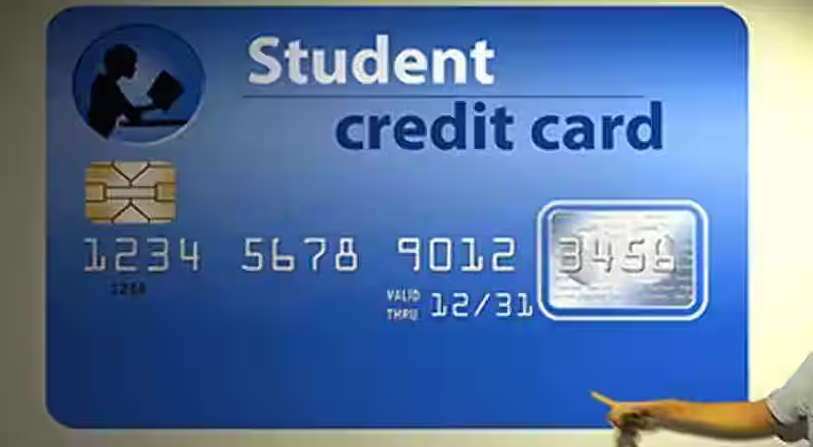

For many students, managing money independently begins during their education years. Monthly allowances, part-time income and shared living expenses introduce them to personal financial responsibility. Digital payments, debit cards and mobile banking make spending convenient, but credit often remains misunderstood. Credit is not simply about borrowing money when needed. It reflects how consistently a person manages financial commitments over time. Learning how credit works early allows students to build awareness gradually, rather than facing uncertainty or pressure when larger financial decisions arise later in life.
What Credit History Means at the Start of Adult Life
Credit history records how an individual uses borrowed funds and meets repayment obligations. Financial institutions rely on this history to assess behaviour patterns, reliability and financial discipline. For students, this record usually starts empty. There is no positive or negative data at the beginning, only a blank profile. Early financial actions matter because they shape long-term habits. Responsible usage builds consistency, while careless behaviour can take time to undo. Understanding this relationship helps students approach credit with patience and clarity.
Why Students Usually Begin Without a Credit Record
Most students rely on savings accounts, debit cards or UPI payments to manage daily expenses. These tools involve spending existing funds rather than borrowing. Since no repayment obligation exists, these transactions do not contribute to credit history. As a result, many students complete their education without understanding billing cycles, repayment timelines or statement reviews. This gap can lead to confusion later, especially when formal credit becomes necessary for personal or professional goals.
Purpose of a Student Credit Card in Early Credit Building
A Student Credit Card is often used as an early way to understand structured borrowing and repayment. It allows students to make limited purchases while learning how statements, billing cycles and repayments work. The intent is education rather than convenience. Leading private-sector banks like ICICI Bank offer secured Credit Cards against fixed deposits or add-on cards linked to family accounts, helping students aged 18+ gain early credit exposure.
By using small amounts and repaying them responsibly, students gain practical experience with how credit works in real situations.
How Everyday Card Usage Creates Credit Behaviour
Credit behaviour develops through repeated financial actions over time. Planned spending followed by timely repayment builds consistency and awareness. Irregular usage or delayed payments may disrupt this learning process. Students benefit when card usage remains purposeful and aligned with actual needs. Over time, these patterns reflect discipline, restraint and responsibility. Credit, when approached thoughtfully, becomes a structured learning tool rather than a shortcut for unplanned spending.
Importance of Timely Repayments and Billing Cycles
Billing cycles determine how spending converts into payment obligations. Each cycle includes a statement date, followed by a payment due date. Paying the full amount within this period reflects financial control and planning. Delays may result in additional charges and create unnecessary stress. Early familiarity with billing timelines helps students manage repayments calmly, avoid last-minute decisions and develop confidence in handling financial commitments.
Responsible Usage Practices Students Should Follow
Using credit responsibly requires consistency, awareness and self-control. The following practices support steady learning and help students stay financially organised.
- Paying the full billed amount before the due date
- Keeping spending aligned with a planned monthly budget
- Reviewing transactions regularly through the mobile banking app or Net Banking
- Reading statements carefully to understand charges, billing dates and repayment timelines
Following these practices helps students avoid common errors and develop habits that support long-term financial discipline.
Spending Discipline and Limit Awareness
Credit limits exist to guide responsible usage and reduce financial risk. Treating the limit as a boundary rather than available cash helps students maintain balance and control.
- Planning expenses before using credit
- Avoiding impulse purchases driven by convenience
- Using only what can be comfortably repaid within the billing cycle
This approach reduces financial pressure and allows students to focus on learning rather than repayment stress.
Monitoring Credit Activity Using Bank Tools
Monitoring activity helps students stay informed and organised. Mobile banking apps like the ICICI Bank’s iMobile app, provide access to transaction and account information.
- Viewing transaction history in one place
- Tracking outstanding amounts and upcoming due dates
- Identifying unusual activity or errors early
Regular monitoring strengthens awareness, encourages accountability and reduces the risk of missed payments.
Common Mistakes That Slow Down Credit Building
Some mistakes may affect overall credit discipline if students remain unaware of them. Recognising these risks early helps maintain discipline and balance.
- Missing payment deadlines
- Paying only the minimum amount repeatedly
- Overspending beyond planned needs
- Sharing sensitive card information with others
Avoiding these habits supports smoother learning and helps students stay in control of their finances.
How Early Credit Habits Shape Future Financial Choices
Early exposure to credit teaches accountability and planning. Students who learn to manage repayments, limits and statements often make informed financial decisions later. Experience gained through the responsible use of a Student Credit Card supports smoother transitions to larger responsibilities, including long-term savings and structured borrowing. The discipline developed early tends to remain relevant throughout adulthood.
Using Credit as a Learning Tool, Not a Shortcut
Credit works best when viewed as a responsibility rather than a convenience. Students benefit when they focus on understanding rather than speed or access.
- Building consistency in repayments
- Understanding financial commitments clearly
- Prioritising discipline over short-term spending
This mindset supports long-term stability and informed decision-making.
Conclusion
Building credit is a gradual process that depends on awareness, patience and responsibility. For students, learning how borrowing works early helps them better manage their finances and credit. Thoughtful usage, timely repayments and regular monitoring create a stable foundation. When handled carefully, early credit exposure supports financial preparedness, confidence and better decision-making over time.
Read Another Blog