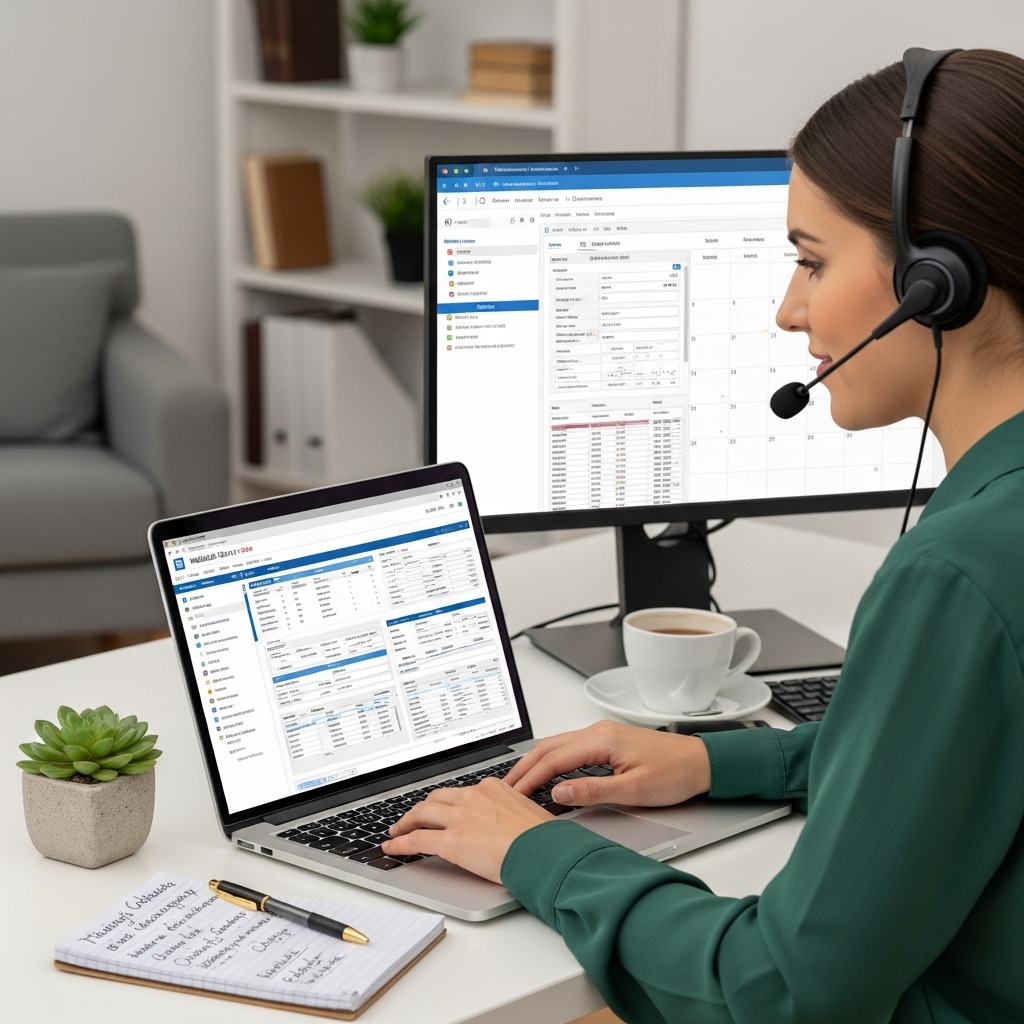

virtual assistant
Efficient appointment scheduling is essential for any healthcare practice. When scheduling is disorganized, it can lead to missed appointments, long waiting times, and reduced patient satisfaction. As healthcare systems continue to adopt digital solutions, many practices are turning to virtual support to handle administrative responsibilities. A healthcare virtual assistant can play a vital role in streamlining appointment scheduling and improving the overall workflow of a medical practice.
Simplifying Appointment Management
One of the most important responsibilities of a medical virtual assistant is managing appointment calendars. They help schedule, reschedule, and confirm patient appointments while ensuring that physicians’ schedules remain organized. By maintaining accurate scheduling systems, a medical virtual assistant prevents double bookings and minimizes scheduling conflicts.
In addition, they can send automated reminders through calls, emails, or text messages. These reminders significantly reduce the number of missed appointments, which helps healthcare providers maximize their time and maintain a steady patient flow.
Reducing Administrative Workload
Front-desk staff in medical practices often handle a high volume of calls related to appointment bookings and patient inquiries. A virtual assistant can take over these repetitive tasks, allowing in-house staff to focus on patient care and other critical responsibilities.
A healthcare virtual assistant can manage patient communications, answer appointment-related questions, and guide patients through the scheduling process. They can also assist with telehealth scheduling by sending virtual meeting links and providing patients with instructions on how to join their online consultations.
By handling these administrative tasks remotely, healthcare virtual assistants improve workflow efficiency and ensure that appointment management runs smoothly.
Supporting Billing and Pre-Appointment Preparation
Efficient scheduling also involves verifying patient details and ensuring that all required information is ready before the appointment. A medical billing virtual assistant helps by verifying insurance information, updating patient records, and preparing billing details before the visit. This preparation reduces delays during check-in and ensures that the billing process runs smoothly after the appointment.
Additionally, by reviewing insurance eligibility and documentation ahead of time, a medical billing virtual assistant helps prevent billing errors and claim denials. This coordination between scheduling and billing improves both operational efficiency and financial performance for healthcare providers.
Improving Patient Experience
Patient satisfaction is closely linked to how easily they can book and manage their appointments. A healthcare virtual assistant ensures that patients can schedule visits quickly and receive prompt responses to their questions. They also manage appointment confirmations and follow-up communications, helping patients stay informed about their upcoming visits.
When patients receive timely reminders and clear communication, they are more likely to attend appointments and follow treatment plans. This level of organization and responsiveness strengthens the relationship between healthcare providers and their patients.
Enhancing Overall Practice Efficiency
By delegating administrative responsibilities to trained virtual assistants, healthcare providers can focus more on delivering quality patient care while maintaining an organized and productive practice environment.
How Does a Healthcare Virtual Assistant Support Telehealth Services?
Telehealth services have transformed the way healthcare providers interact with patients. With virtual consultations becoming more common, medical practices are looking for efficient ways to manage appointments, patient communication, and administrative work. One of the most effective solutions is hiring a healthcare virtual assistant who can support telehealth operations and ensure a smooth experience for both patients and healthcare providers.
Managing Telehealth Appointments Efficiently
One of the biggest challenges in telehealth is managing patient appointments and ensuring that virtual consultations run smoothly. A medical virtual assistant can handle appointment scheduling, send reminders, and coordinate virtual meeting links for patients. By organizing schedules and ensuring that patients are prepared for their online visits, virtual assistants help reduce missed appointments and improve overall efficiency.
In addition, a medical virtual assistant can update patient records, verify patient information, and ensure that all required documentation is ready before a telehealth consultation begins. This preparation helps physicians focus on providing quality care rather than dealing with administrative tasks.
Supporting Billing and Insurance Processes
Telehealth services also require accurate billing and coding to ensure proper reimbursement from insurance providers. A medical billing virtual assistant plays an important role in handling billing tasks related to telehealth consultations. They can verify insurance eligibility, prepare claims, and submit them accurately to avoid claim denials or delays.
By managing billing processes efficiently, a medical billing virtual assistant ensures that healthcare providers receive timely payments while maintaining compliance with healthcare regulations. Their expertise in coding and billing also reduces the risk of errors that can impact the financial stability of a medical practice.
Improving Patient Communication and Support
Clear communication is essential for successful telehealth services. A healthcare virtual assistant helps maintain consistent communication between patients and healthcare providers. They can respond to patient inquiries, guide patients through telehealth platforms, and provide instructions on how to join virtual consultations.
For many patients, especially those who are new to telehealth technology, having someone available to assist them can significantly improve their experience. A healthcare virtual assistant ensures that patients receive timely responses, appointment confirmations, and follow-up messages, which helps build trust and satisfaction.
Enhancing Workflow and Productivity
Healthcare providers often face heavy workloads, especially when offering both in-person and telehealth services. Virtual assistants help streamline administrative processes by managing data entry, updating electronic health records, and organizing patient information.
Conclusion
Appointment scheduling is a critical part of healthcare operations, and inefficiencies in this process can affect both patients and providers. A healthcare virtual assistant helps streamline scheduling by managing calendars, sending reminders, assisting with patient communication, and coordinating with billing processes.
With the support of a medical virtual assistant and a medical billing virtual assistant, healthcare practices can reduce administrative burdens, improve patient satisfaction, and maintain a well-organized workflow. As healthcare continues to evolve, virtual assistants will remain an essential resource for practices looking to enhance efficiency and deliver better patient experiences.