
Your home serves as your sanctuary, but the walls surrounding you often hide secrets. Drywall is the skin of your house. It looks tough, but it is actually quite soft and easy to hurt. Small problems today can turn into giant, expensive disasters tomorrow. If you wait too long, a tiny crack might lead to a wall falling down or mold growing everywhere. You need to know exactly what to look for so you can keep your home safe.
Finding issues early saves you money and stress. Sometimes, you might even need to call local drywall repair experts in Brentwood to help fix things before the damage spreads to other rooms. Keeping a sharp eye on your walls is a big part of being a smart homeowner.
Look for Small Cracks and Holes
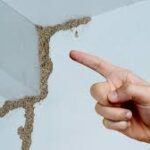
The first sign of trouble is usually a line on the wall. These cracks often show up near doors or windows. Do you see a thin line reaching toward the ceiling? That might mean your house is moving. Houses settle into the ground over time. This movement pulls on the drywall. If the crack is thin like a hair, you might be okay for now. If the crack is wide enough to stick a coin inside, you have a real problem.
Holes are much easier to spot but just as bad. Maybe a doorknob hit the wall too hard. Perhaps you moved a couch and bumped the corner. Even a small hole lets air and moisture get behind the wall. This ruins your insulation. It also gives bugs a place to hide. Check behind your doors. Look at the corners of every room. If you find a hole, do not just cover it with a picture frame. Fix it fast so the drywall stays strong and looks smooth.
Watch Out for Water Stains
Water is the biggest enemy of your walls. It makes drywall soft, mushy, and weak. You should look for yellow or brown spots on your ceiling and walls. These spots look like tea stains. If you see one, there is a leak nearby. It could be a leaky pipe or a hole in your roof. Touch the spot carefully. If it does, the water is currently soaking into the material.
Bubbling paint is another huge red flag. When water gets trapped behind the paint, it pushes outward. This creates bubbles or blisters. Never pop these bubbles. If you pop them, nasty water might spill out. You must find the source of the water first. If you ignore these stains, the drywall will eventually crumble. Even worse, dark mold can start to grow inside the wall. Mold can make you feel sick, so catching water damage early is a top priority for your health and your wallet.
Check for Bulges and Loose Nails
Sometimes drywall does not crack or stain. Instead, it starts to lean or bulge. Walk down your hallway and look closely at the flat surfaces. Do the walls look wavy? A bulge often means the wooden studs behind the wall are warping. It could also mean the drywall sheets are pulling away from the frame. This is dangerous because a heavy piece of drywall could fall off and hurt someone.
You should also look for nail pops. These are small, round bumps that look like a pimple on your wall. They happen when the nails or screws holding the drywall start to push out. You might see the round head of a nail poking through the paint. While one nail pop is not a crisis, many of them mean your wall is not attached well. Music City Shower understands that moisture in bathrooms often causes these structural shifts. If your bathroom walls look bumpy or uneven, the steam from your shower might be weakening the glue and nails. Always keep your bathroom fan running to stop this from happening.
Listen and Smell for Hidden Issues
Your eyes are not the only tools you have. You can use your ears and nose too. Does a room smell musty or earthy? That old basement smell usually means mold is growing. Since mold loves the paper on the back of drywall, it can spread fast without you seeing it. If a room smells funny no matter how much you clean, the damage is likely hidden inside the walls.
- Knock on the wall:
Does it sound hollow and firm? That is good. - Listen for crunching:
If you press on a spot and hear a crunch, the material is decaying. - Check for peeling:
Look at the tape where two walls meet. If the tape is peeling, the joints are failing. - Feel for cold spots
If one part of the wall feels much colder than the rest, the drywall might be thin or damp.
Using all your senses helps you find problems that are not obvious at first glance.
Conclusion
Fixing a small scratch costs very little. Fixing a whole wall that is covered in mold costs thousands of dollars. You want to be proactive. Walk through your home once a month. Use a flashlight to look into dark corners. Check the walls in your garage and basement too. If you find a soft spot or a new crack, take a photo of it. Check the photo again in two weeks. If the crack grew longer, you know the house is still moving.
Being careful today prevents big headaches tomorrow. Taking care of the drywall is a simple way to protect that investment. If a job looks too big for a DIY project, do not be afraid to ask for professional help. Stay alert, keep your walls dry, and your home will stay beautiful for a very long time.
FAQ’s
How can you tell if a wall crack is serious?
If a crack is wider than a quarter inch or runs diagonally, it usually means your foundation is shifting badly.
What causes small bumps on drywall?
These are nail pops. They happen when the wood dries out or the house moves, pushing the nail heads forward.
Is damp drywall always a total loss?
Not always. If you catch it fast and dry it out, you might save it. Otherwise, you must replace it.
Can you paint over water stains?
No. You must fix the leak first and use a special primer, or the stain will just bleed through again.