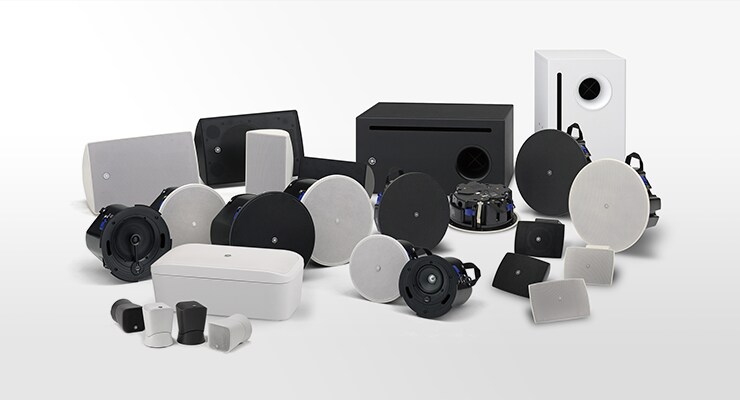

A busy business environment rarely stands still. Foot traffic rises and falls. Background noise shifts by the hour. Promotions change the energy of the room. Yet many sound systems are installed once and expected to cope indefinitely. That mismatch is where performance gaps begin.
Owners often assume that if audio equipment still produces sound, it is keeping pace with operations. The reality is more demanding. Modern commercial spaces place continuous pressure on in-store audio. Music must remain clear during quiet mornings and still feel balanced when the floor fills with customers. Announcements must cut through ambient noise without sounding harsh.
This is why more operators are reassessing the role of commercial audio speakers in their day-to-day performance. The conversation has moved beyond basic functionality. Businesses now want systems that respond smoothly as conditions change across the trading day.
At the surface level, workload consistency is the first challenge. Many older installations perform acceptably at one volume range but struggle outside it. During peak hours, clarity softens. During quieter periods, the system can sound thin or uneven. Staff compensate by adjusting levels repeatedly, which creates inconsistency rather than solving the root issue.
Well-specified commercial audio speakers are designed to maintain tonal balance across a wider operating range. Instead of sounding comfortable only at one sweet spot, they deliver stable performance whether the store is calm or crowded. This reduces the constant manual intervention that frustrates both staff and customers.
The mid-layer issue involves coverage efficiency. Retail and hospitality spaces have evolved. Open ceilings, mixed materials, and flexible layouts all affect how sound travels. Systems that once worked in simpler floor plans often leave gaps after renovations or merchandising changes.
Forward-looking businesses now treat sound mapping as part of operational planning. By positioning commercial audio speakers to match the physical environment, they create more even listening zones. Customers hear consistent music levels throughout the space, and announcements remain intelligible without excessive volume.
There is also a resilience factor that busy operators increasingly value. Equipment in commercial settings runs for long hours, often seven days a week. Systems that perform well during installation can slowly drift if they are not built for sustained use. Heat build-up, component fatigue, and uneven wear all contribute to gradual decline.
Modern commercial audio speakers typically address this through improved thermal management and more stable components. The benefit is not dramatic in a single day, but over months of continuous operation the difference becomes clear. Sound remains predictable. Maintenance calls drop. Emergency fixes become less common.
From a business perspective, this reliability translates into smoother daily operations. Staff can focus on customers instead of troubleshooting audio complaints. Managers avoid the hidden costs that come from reactive repairs and rushed replacements.
Another dimension often overlooked is brand atmosphere. Sound shapes how a space feels long before customers consciously evaluate it. Clean, balanced audio supports a professional environment. Harsh or inconsistent output quietly undermines it, even if visitors cannot explain why.
Businesses that understand this connection increasingly view commercial audio speakers as part of their broader experience strategy. Audio works alongside lighting, layout, and service flow to influence customer comfort and dwell time. When these elements align, the environment feels intentional rather than improvised.
Looking ahead, the pressure on in-store audio will likely intensify. Customer expectations continue to rise, and commercial spaces are becoming more dynamic. Systems that merely function will struggle to keep up with this pace.
Sound systems that truly support modern businesses must be consistent, adaptable, and resilient under daily strain. When companies invest with that mindset, their audio infrastructure stops being a background utility. It becomes a reliable partner that works just as hard as the business itself.
There is also a brand perception element that often goes unnoticed. Customers may not consciously praise sound quality, but they do register comfort. Clean, balanced audio supports a sense of professionalism. Harsh or uneven sound quietly undermines it.
This is one reason commercial audio speakers are increasingly discussed alongside lighting and visual merchandising during store planning. Audio is becoming part of the experiential toolkit rather than a technical afterthought. Businesses that recognise this shift early often gain an atmospheric advantage over competitors still relying on legacy setups.
The deeper layer involves dwell time. Retail studies consistently show that comfortable environments encourage customers to stay longer and explore more areas of the store. Sound plays a direct role here. When audio levels are fatiguing or inconsistent, visitors subconsciously limit their time inside.
Smart operators therefore treat sound as a behavioural lever. They map coverage zones, test real-world listening positions, and choose commercial audio speakers that maintain tonal balance across varying store conditions. This approach transforms audio from a passive background element into an active contributor to customer flow.
Looking ahead, the gap between average and well-designed in-store sound will likely widen. Consumer expectations continue to rise as personal listening devices deliver increasingly refined audio experiences. Physical retail spaces are being judged against that private benchmark more than many businesses realise.
The overlooked detail shaping customer experience is not always visible. It is heard, felt, and often unnoticed when done correctly. Businesses that bring audio into the centre of their experience strategy position themselves to create environments that feel effortless to stay in. Those that ignore it may continue wondering why two similar stores produce very different customer behaviour.